
News agencies subpoenaed
ALBANY — At least two local news agencies received subpoenas related to a change-of-venue hearing for the city’s former downtown manager, which is set for today.
Don Buie, the former downtown manager and CEO of the Albany-Dougherty Inner City Authority, is asking the court to move his trial on theft and fraud charges out of Dougherty County, arguing, in part, that local media coverage of his arrest may have hindered his ability to have a fair trial locally.
To argue that point, Buie attorney Johnnie Graham served subpoenas on at least two different news agencies Monday. Subpoenas were served on local TV stations WFXL and WALB.
WALB spokesman Rick Williams said the station had been working with Graham and its legal team to comply with the subpoena through the filing of an affidavit. It was unclear if anyone from the station was set to testify during the hearing, although a WFXL reporter said Tuesday she was planning to.
The Albany Herald did not receive a subpoena from Graham to testify at the hearing or provide any documents. The Herald was unable to reach Albany Journal publisher and owner Kevin Hogencamp, who also published stories in his weekly newspaper about Buie, on whether he received a subpoena.
Court records show that Graham asked that four blank subpoenas be printed for her to send out for the hearing.
Buie, his wife Shanon Buie, Nicole Brown and former downtown store owner Tim Washington were all indicted for their alleged roles in a series of dealings connected with the downtown manager’s office that prosecutors contend involved theft and/or fraud.
Related Articles

‘She Me Her and Him’ will bring story of life challenges to the stage in Leesburg
“I wanted to give the audience a bird’s eye view of a way to face the challenges of life.”
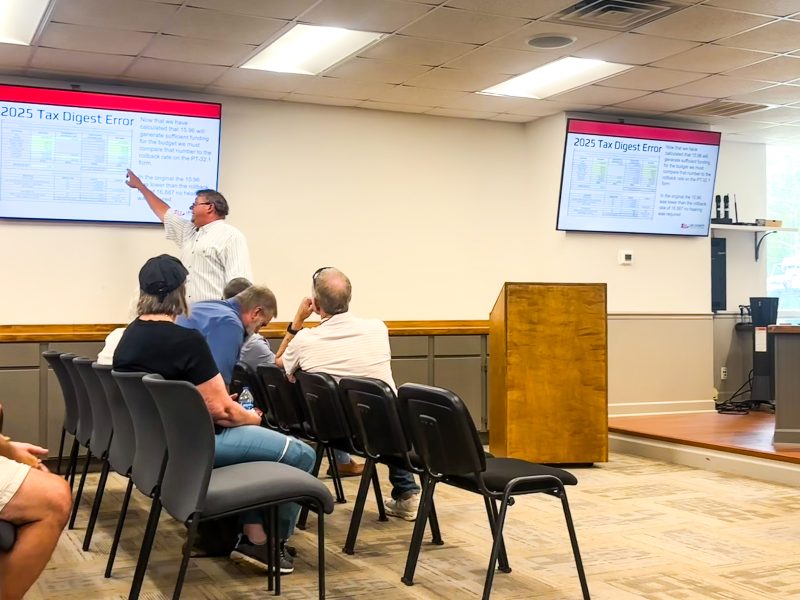
Lee schools approve $97.1M budget; officials defend tax rollback actions, warn of future funding challenges
Dozens of residents attended the public hearing and subsequent board meeting, where Executive Director of Finance Gary Kelley spent nearly 30 minutes outlining the district’s finances, responding to criticism surrounding the 2025 tax digest error and warning of long-term funding challenges facing the school system.
Deerfield-Windsor welcomes new headmaster, John Abernathy
“We have a very talented faculty that cares about these students. I think our faculty strives to meet the needs of our students and makes them accountable to our core values: honor, encouragement, character and service.

