
Japanese nuclear crisis on par with 3 Mile Island
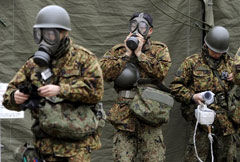
Photo by Jason Braverman
Japan’s nuclear and industrial safety agency on Friday raised the level for the crisis at the Fukushima Daiichi nuclear plant from a 4 to 5 — putting it on par with the 1979 incident at Pennsylvania’s Three Mile Island.
According to the International Nuclear Events Scale, a level 5 equates to the likelihood of a release of radioactive material, several deaths from radiation and severe damage to a reactor core.
Chernobyl, for example, rated a 7 on the scale, while Japan’s other nuclear crisis — a 1999 accident at Tokaimura in which workers died after being exposed to radiation — was a 4.
In Pennsylvania, a partial meltdown of a reactor core was deemed the worst nuclear accident in U.S. history.
Significant amounts of radiation have been released after the 9.0-magnitude earthquake hit on March 11, followed by a tsunami that swept away cars and houses along its path. The disasters spurred several explosions at the nuclear plant on the northeastern coast of Honshu.
Relatively high, but officially non-hazardous amounts of radiation have been detected in the air and water of Fukushima city, about 80 kilometers (50 miles) from the plant.
But conditions at the Fukushima Daiichi plant itself remain very dangerous.
Radiation levels Thursday hit 20 millisieverts per hour at an annex building where workers have been trying to re-establish electrical power, “the highest registered (at that building) so far,” a Tokyo Electric official told reporters.
By comparison, the typical resident of a developed country is naturally exposed to 3 millisieverts per year.
Related Articles

Dawson Council approves $400,000 lifeline in emergency meeting as financial accountability remains elusive
Less than a week after city officials publicly acknowledged the City of Dawson cannot continue operating without additional financing, the Dawson City Council convened a hastily called emergency meeting Tuesday evening and unanimously approved authority to borrow up to $400,000 through a tax anticipation note.

Lee County homeowners have until Aug. 1 to claim property tax exemptions
Lee County homeowners have until Aug. 1 to apply for homestead and other property tax exemptions for the 2026 tax year, a deadline members of the Lee County Board of Tax Assessors highlighted Monday as they encouraged eligible residents to take advantage of available tax relief.

Albany Herald – July 16, 2026
Albany among local governments looking… ASU Marching Rams first HBCU band
invited…
