
A year in review: Georgia’s Flint Riverkeeper spent 2024 fighting for the Flint River
Staff with the Flint Riverkeeper reflected on a year of hard work and work to come, especially with the start of Georgia’s legislative session in January.
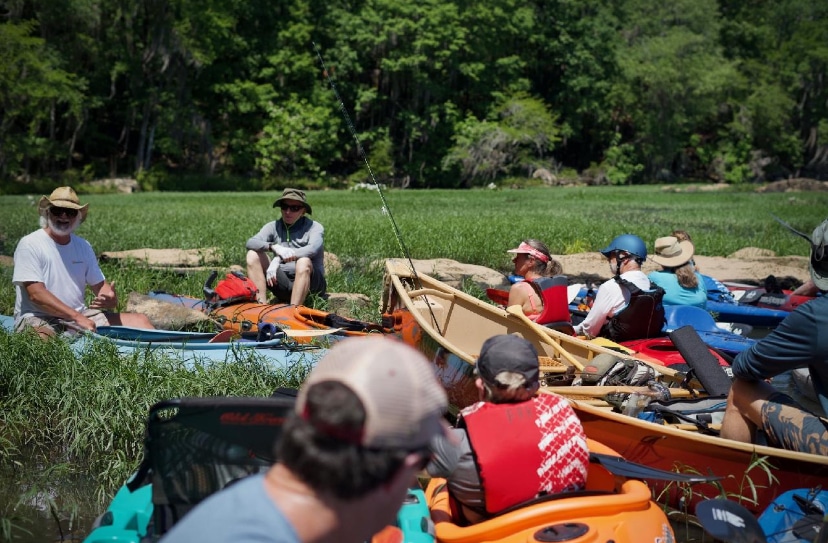
ALBANY – Flow restoration, fishing rights, river recreation and sewer separation were just a few of the checks on Georgia’s Flint Riverkeeper’s to-do list for 2024.
The Riverkeeper, which formed in 2008, protects and advocates for the health of the Flint River, which flows from metro Atlanta to southwest Georgia. The group does this by working with all three branches of the government, performing outreach and education with communities around the Flint and enforcing compliance with clean water laws from local governments, farmers, developers, and other stakeholders.
Staff with the Flint Riverkeeper reflected on a year of hard work and work to come, especially with the start of Georgia’s legislative session in January.
Gordon Rogers, the Flint Riverkeeper and the group’s executive director, said the organization plans to have a presence at the Capitol throughout the session.
Henry Jackson, the Riverkeeper’s director of outreach and development, said December is an important month to make donations to the organization to help fuel the work.
“The more funding we have, the stronger our voice is when we’re in that building fighting with every other advocate,” he said.
The Flint Riverkeeper reflects on a busy year.
Local Work
Sewer Separation
Rogers said Albany’s sewer separation project is probably top of mind for most of the city’s residents.
Albany is mandated by a National Pollutant Discharge Elimination System Permit to achieve 85% separation of its combined stormwater and sanitary waste discharge systems by June 2025. Rogers said he expects an extension on the deadline to be needed.
While torn up streets and construction for the separation project have led to road blockages throughout Albany’s downtown, Rogers said it’s a project that has to be done for the economy of the city and safety of people along the river.
Rogers said the Riverkeeper’s office is pleased with the progress it’s seen on the project in the last year. A cleaner river will lead to more opportunities along the waterway.
“From a career standpoint, this is in the top five accomplishments in my life,” he said.
Recreation
Jackson said each year he sees more excitement and participation in events on the Flint River.
“I think we had a blockbuster year for getting people on the river,” he said.
Paddle trips, like the annual journey from Radium Springs Landing to Punk’s Landing saw record turnout with up to 30 people, from beginners to experts, joining the float.
“It’s a great opportunity to get people on the water,” Jackson said. “Everyone always has an amazing time.”
Each spring, the Riverkeeper hosts a Shoal Lily Paddle for Mother’s Day to see the blooming of lilies on the river. It’s an educational event to connect the community with advocates, academics and politicians working to protect the shoal bass populations. Jackson said each year they’ve had to move the event to larger venues.
Knobby Knees, an annual festival to emphasize the work of the Riverkeeper, saw a record turnout.
Rogers said there’s been much talk about increasing recreation on the Flint in Albany this year. Ward IV Albany City Commissioner Chad Warbington joined a group with the organization who experimented in inner-tubing along the river. They’re also looking into potential vendors who might want to host regular tubing trips.
River and Stream Cleanups
The Riverkeeper hosted a slew of waterway cleanups locally with advocacy groups like Lee County’s Rivers Alive.
Groups travel along the waterways to pick up trash and other debris, working for hours at multiple sites and different sections of creek.
“The goal with something like a river cleanup is always to have more people each year and to gather less trash,” Jackson said.
Rogers said they are meeting that goal.
“That’s because legacy junk has been cleaned out,” he said.
Regional
Flow Restoration
Through the Georgia Flow Incentive Trust, a partnership with farmers in the Ichawaynochaway Creek basin, the Flint Riverkeeper worked hard this year on flow issues throughout southwest Georgia.
“Farmers are at the center of it, water experts, regulators, river advocates, and scientists who are studying flow and mussels,” Rogers said. “It involves a lot of partners.”
One project involves restoring flow to Radium Springs, one of the seven natural wonders of Georgia. Radium Springs is a main attraction in Dougherty County and boasts crystal blue water fed by an underground cave that pumps 70,000 gallons of water per minute that later flows into the Flint River. The flow of water into Radium Springs has suffered from drought years, even stopping flow completely periodically.
River and stream flow is crucial for the health of the river, making sure farmers have access to water for irrigation and economy surrounding recreation along the waterways.
Rogers said Democratic U.S. Rep. Sanford Bishop’s office has been instrumental in obtaining funding for technology and conservation efforts to help restore flow to Radium Springs and other creek systems.
“The more water we can put down the Flint and into Lake Seminole, the more water can be held back and used for various conservation and economic purposes in Lake Lanier … Lake Eufaula,” he said.
This work has spanned more than a decade, but Rogers said many things came into fruition in 2024.
“We’re really excited about the next two or three years; the proof will be in the pudding when we get to the next drought,” he said.
Pollution
The Riverkeeper addresses pollution sources and potential sources all along the Flint River. R.J. Gipaya is the watershed field specialist who travels and works tirelessly to protect the river from these threats.
The office has addressed potential pollution sources this year: a planned rock quarry in Talbot County, a plastics plant in Upson County, and the proposed monkey-breeding warehouse in Decatur County.
It’s also staying on top of current pollution producers, including a large construction project in Fayette County and a fertilizer plant near Colquitt County. Gipaya and volunteers have been spending time trying to remedy regular pollution from moderate to major rain events.
Fishing Rights
The Flint Riverkeeper has been working to maintain and preserve fishing rights up and down the Flint River since 2022 after a lawsuit in Talbot County Superior Court came about over public fishing rights along navigable waters.
Georgia law gives the public the right of fishing, hunting and passage along navigable waters. However, Rogers said it’s still being litigated on the upper Flint whether property-owners can declare portions of the Flint touching their property as private.
“They’re claiming non-navigability on a piece of the river that’s been navigated, in fact, for decades upon decades upon decades, including commercial navigation,” he said.
Rogers said The Flint Riverkeeper’s office is hoping for Georgia’s legislature to come up with a delineation of what’s navigable in the upcoming legislative session.
“Georgians, not just for the Flint, but statewide, need to know what’s navigable and what’s not,” he said. “And that’s a line. That’s not a definition exercise. That’s a delineation.”
Delineation and clearly mapping out navigable waters, Rogers said, would go a long way in minimizing litigation over fishing rights.
Currently, Rogers said the issue is at a bit of a standstill where the state recommends the Department of Natural Resources handle the problem case by case.
“I think we really need, as painful as it might be, a delineation process to occur, and different states have handled this in different ways,” Rogers said. “I think there is a uniquely Georgian way to get this done, and it wouldn’t be without controversy, but it needs to happen.”
Author

Related Articles
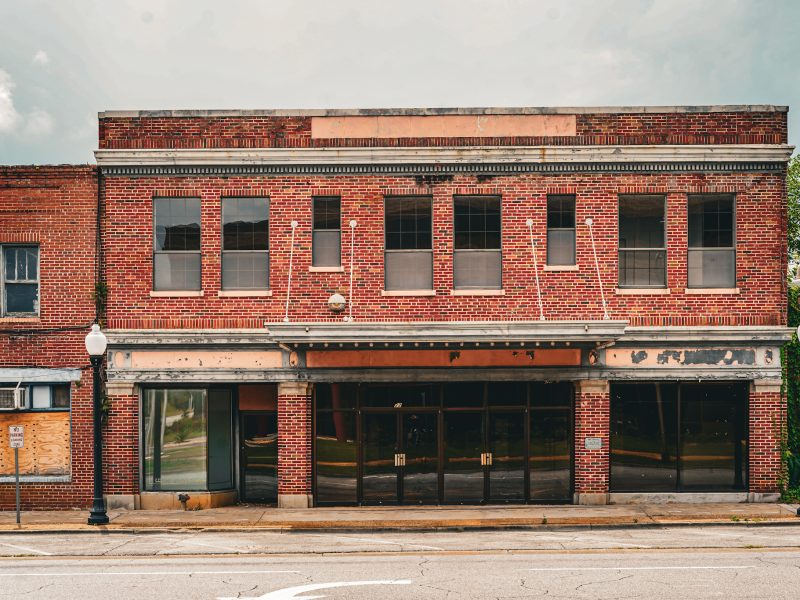
Putting on the Ritz: The rise, fall and renewal of Albany’s Harlem District
On July 7, the Albany City Commission unanimously approved final construction drawings for a comprehensive restoration of the Ritz Theatre and Cultural Center, clearing the way for the project to move into competitive bidding after years of planning and preservation efforts. The decision marks the latest chapter in a decades-long effort to preserve one of Southwest Georgia’s most significant African American landmarks.
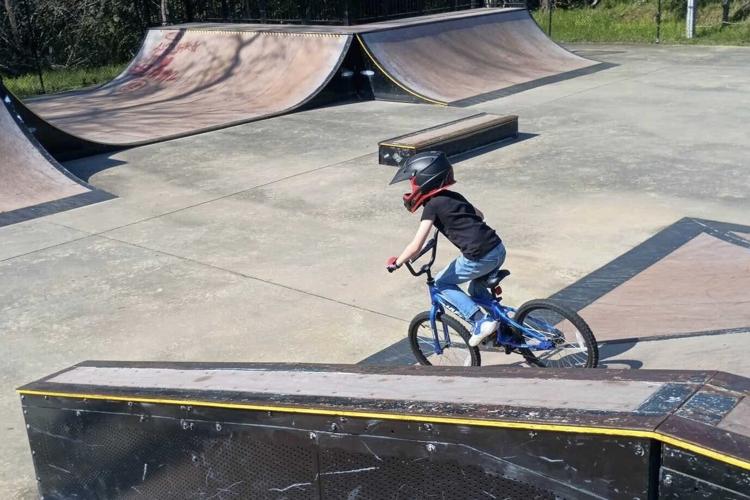
Albany City Commission set to vote on skate park funding
“There have been other sites discussed. Based on information (from) the community, we decided on the current site. That’s the only site we’re looking at right now.”
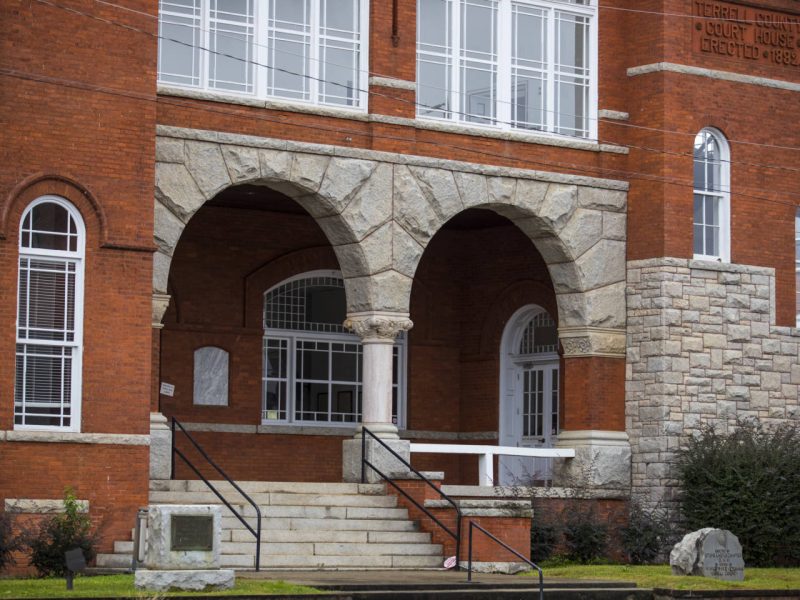
Following Lee’s lead, Terrell County hits pause on data centers
The Terrell County Board of Commissioners voted unanimously Tuesday to adopt a six-month moratorium on new data centers, giving county officials time to develop zoning regulations governing where such facilities could be located and how they would operate.
