
Decades after facing demolition, Albany Municipal Auditorium celebrates centennial
Centennial celebration for Albany Municipal Auditorium scheduled for Saturday
By Jennifer Parks
ALBANY — The community has been invited to take part in a milestone celebration this Saturday for an Albany landmark that has become a crucial component of the city’s cultural scene.
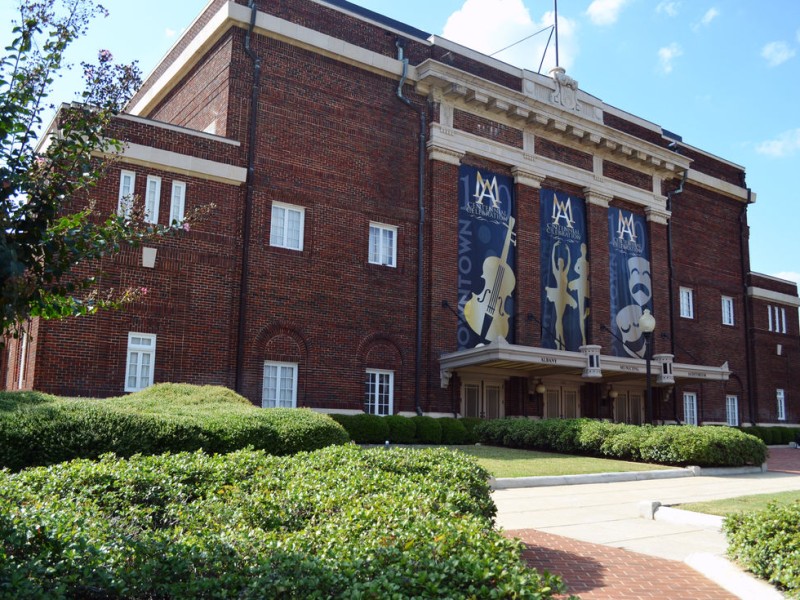
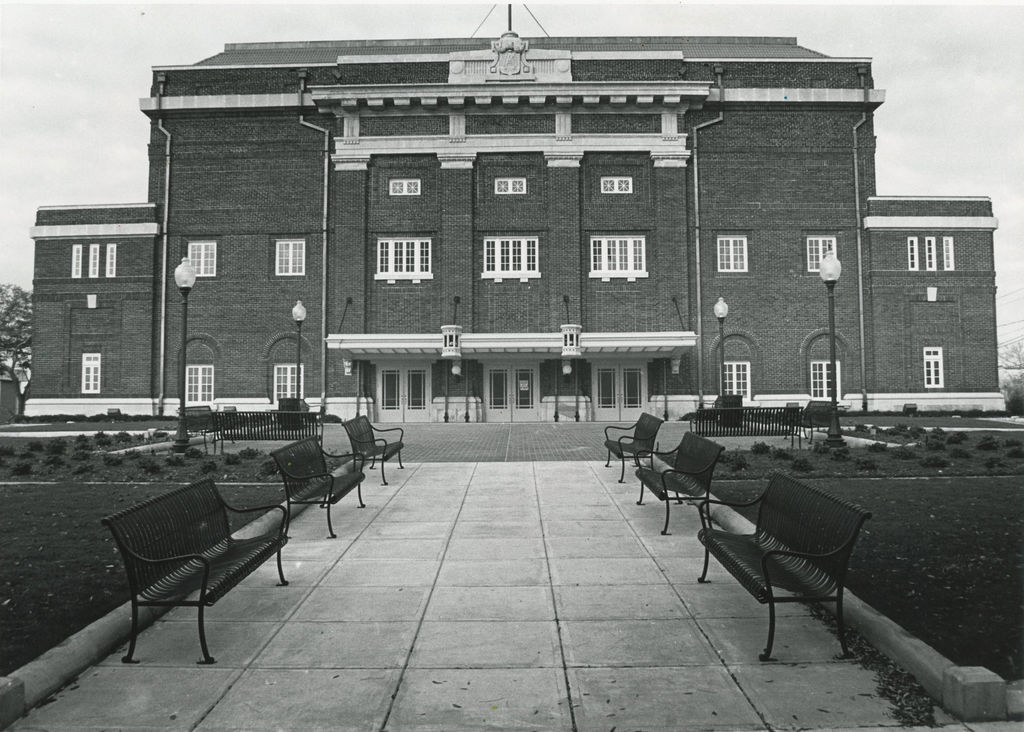
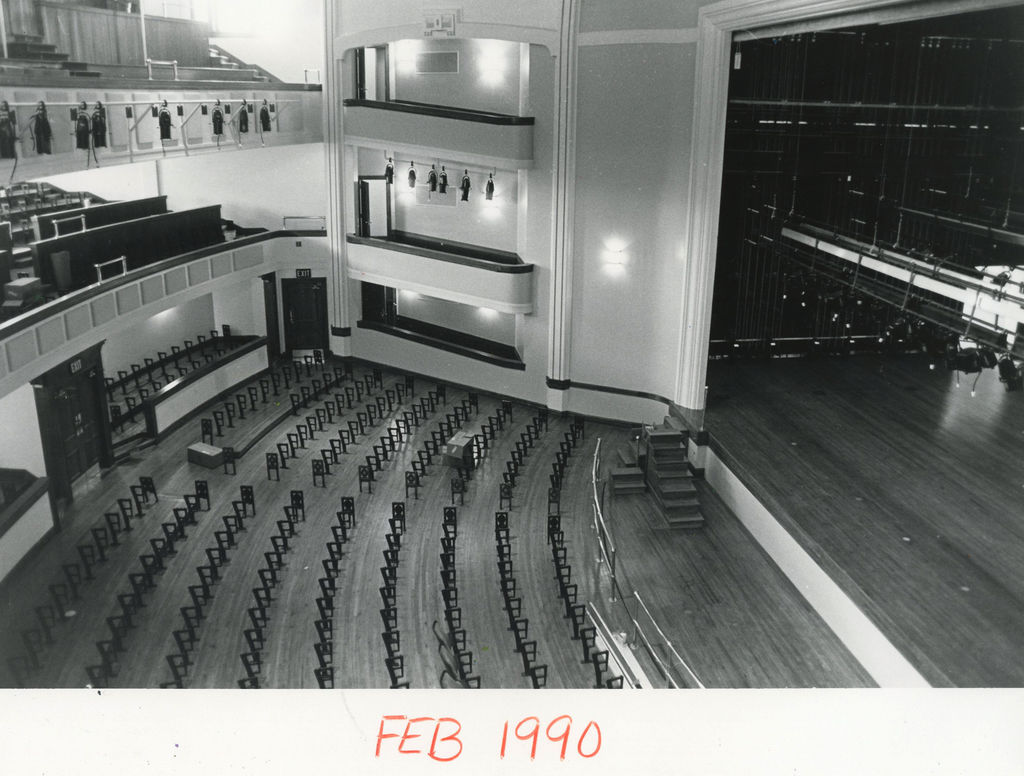
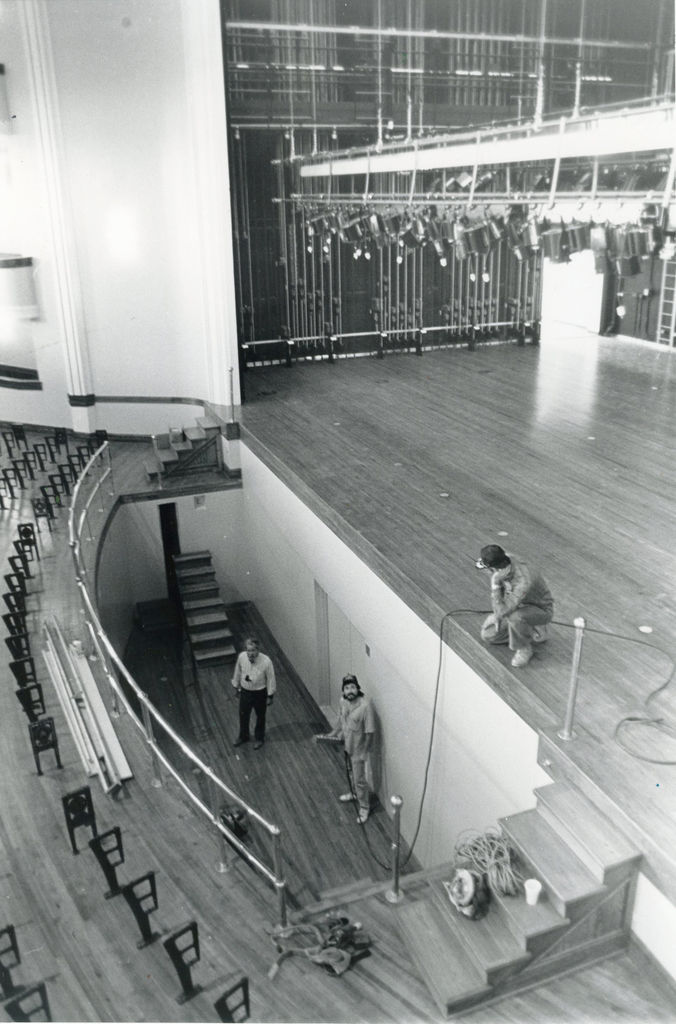
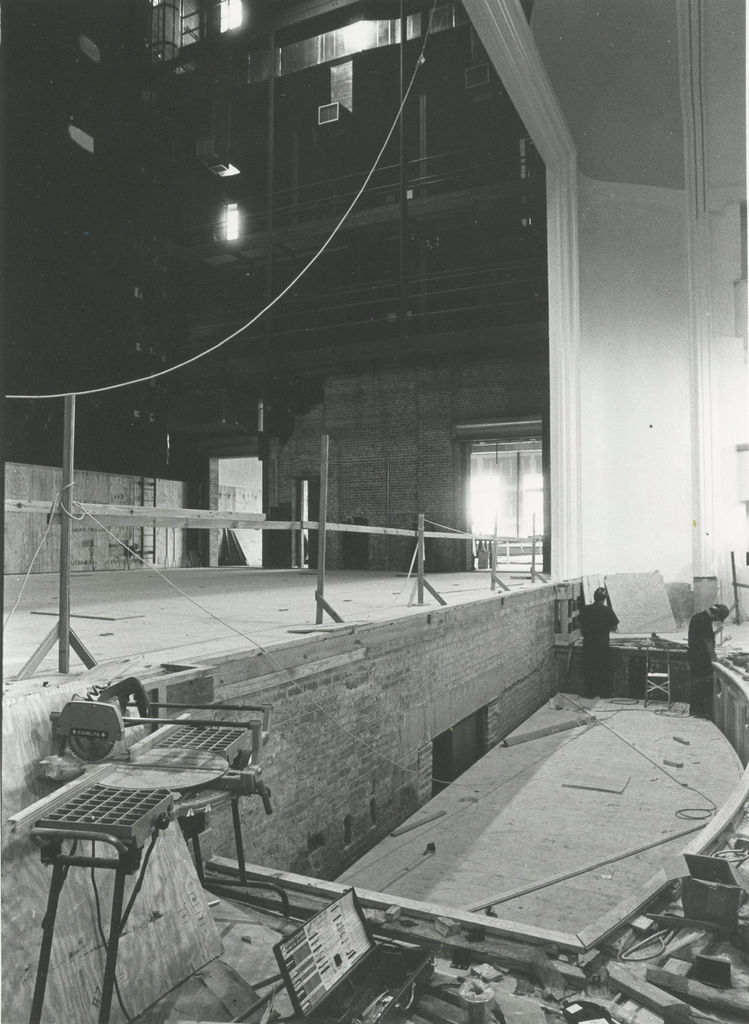
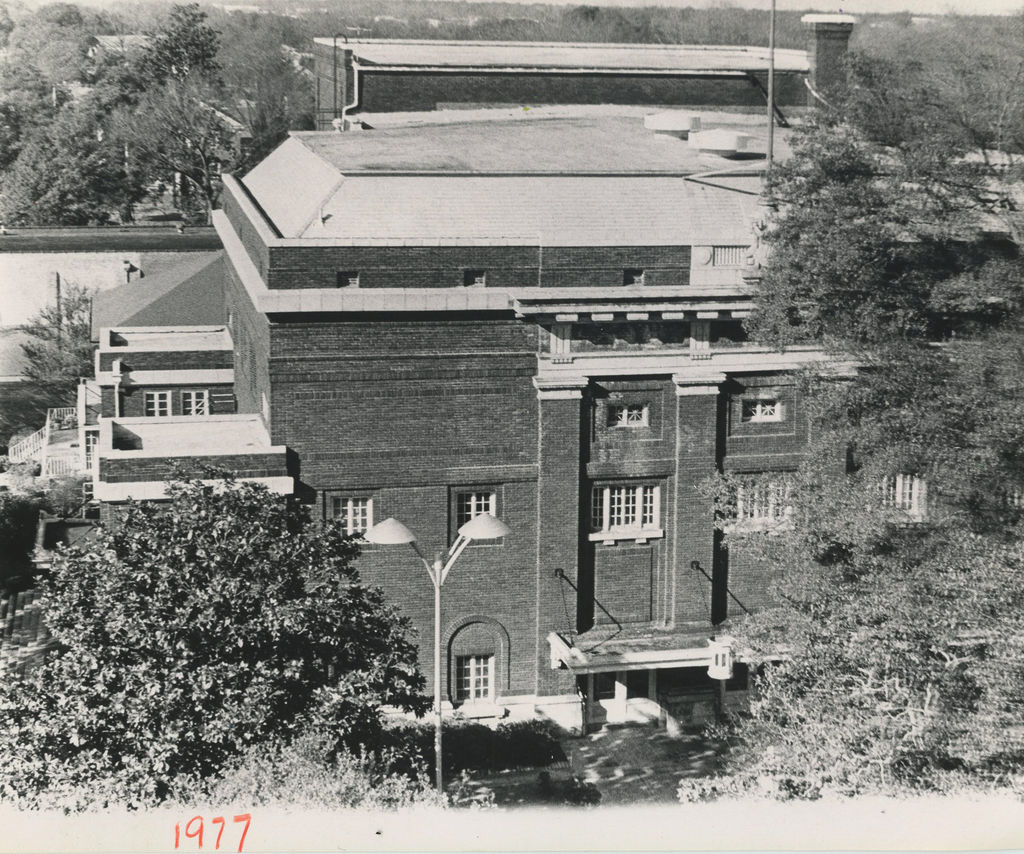
The Albany Municipal Auditorium, located at 201 N. Jackson St., turned 100 last week. It was a birthday the community is able to celebrate thanks to restoration efforts that allowed it to be reopened on March 3, 1990 after it had been sitting closed for nearly 20 years.
The auditorium was built to continue the mission of the Chautauqua Movement, itself an effort to expand literary sciences and culture, that reached Albany in 1889, and had been centered at the Chautauqua Auditorium before that building fell into disrepair.
Immediately following the Chautauqua Auditorium’s razing in 1915, there was support from Albany’s electorate to rebuild. The new facility’s construction began that same year, and the Municipal Auditorium was opened on Oct. 4, 1916 with an original Broadway cast performance of “The Lilac Domino.”
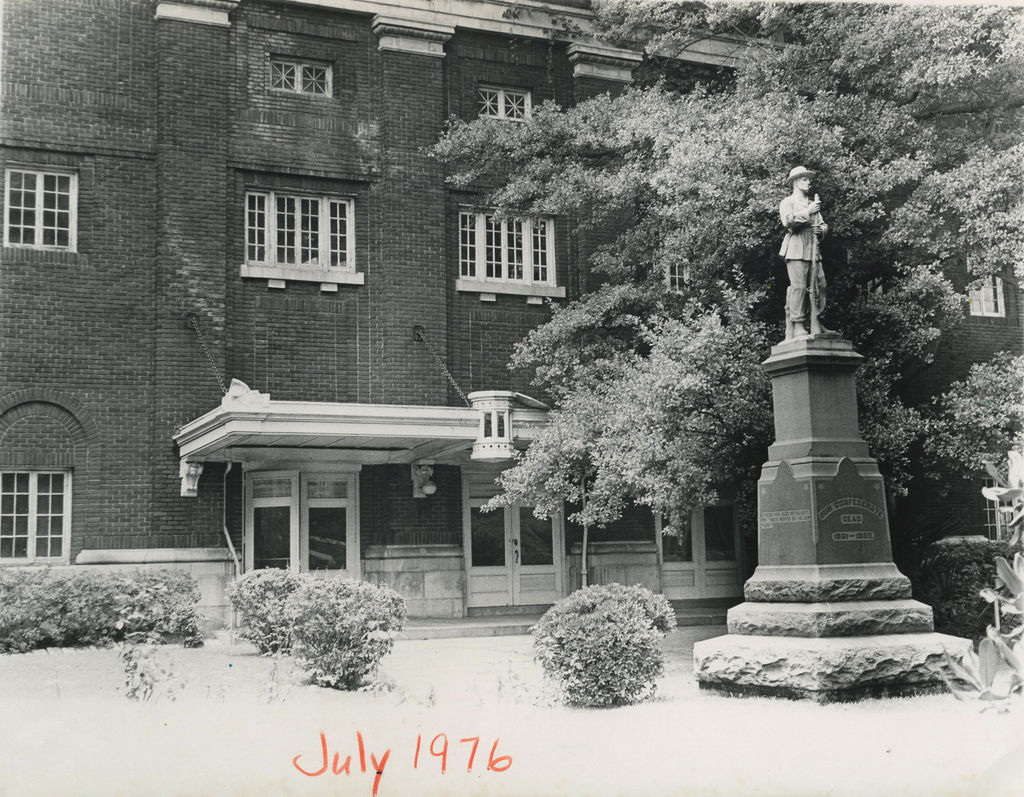
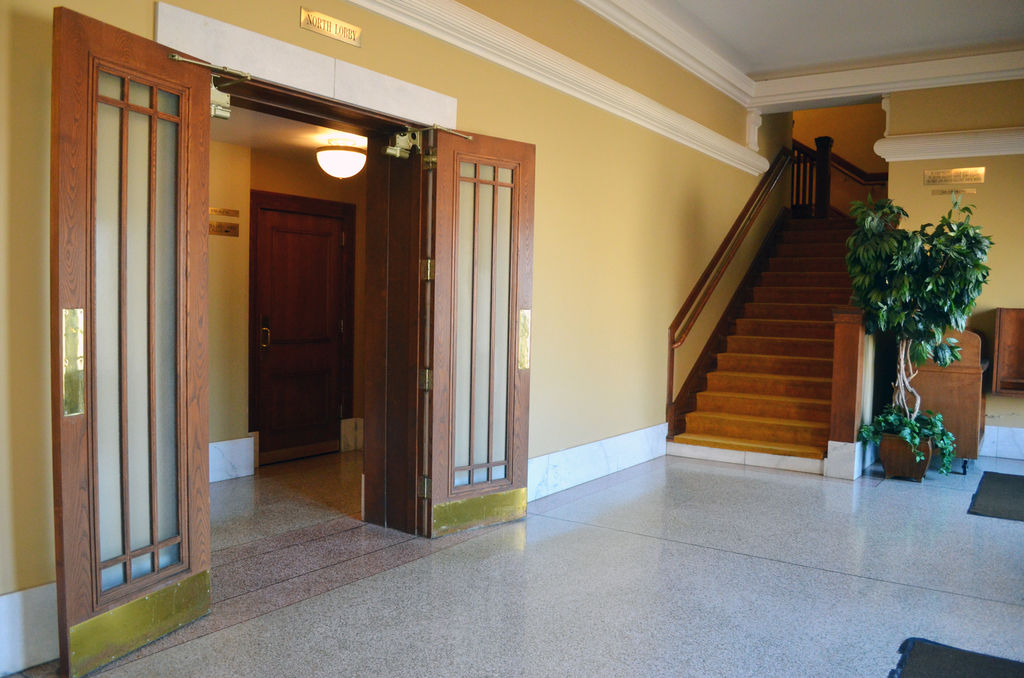
The building, which is considered one of Albany’s most impressive architectural achievements, was designed by A. Ten Eyck Brown, a prominent Georgia architect, and built in its current footprint. It was quickly established as a place for theatrical performances, political speeches and religious sermons, while bringing new cultural ideas to Southwest Georgia.
It’s importance to the community eventually decreased, leading it to being condemned and subsequently closed down in 1972. A recommendation eventually came down for it to be razed.
Upon hearing that it was being considered for demolition, a group of local individuals fought to keep it open and the auditorium was was finally placed on the National Register of Historical Places in June of 1974. Additionally, $4 million was earmarked to bring it back to life.
One of those advocates who fought for the historic building was T. Marshall Jones, who came to Albany in 1963 to assume the position of band director for Albany State College.
“In the late 60s, we had many functions that would come to the auditorium,” he said.
As a musician, Jones participated in a number functions prior to the auditorium’s closing and he saw for himself the quality of some of those acts, including the Cleveland Orchestra. He also ran into a few fellow musicians he had gone to college with druing those times.
These were among the motivators for being among a committee of individuals committed to saving the facility.
“We had a great interest in pleading not to tear it down, but to renovate it,” Jones said.
In his role, Jones sat in with engineers and architects to discuss aspects of the renovation relating to voice projection and acoustics. After the work was done, he and a colleague tested out the acoustics, which they were very pleased with.
“The acoustics sounded beautiful,” he said. “We were very happy about the outcome of the acoustics.
“An acoustics expert came in and told us (the Municipal Auditorium) was second only to the Fox Theater in Atlanta.”
The architect on the auditorium’s restoration project was David Maschke, who was still in the early part of his career at the time. Maschke said he was told the building needed a restoration faithful to its original elements that also incorporated the contemporary components needed to make it into a functional auditorium in a manner that was non-invasive.
While the asbestos was being cleared out, he and his team went in to take a look at its original trimming and color schemes in order to get some inspiration to work from.
“We got all the information we could before it was all out of there,” Maschke said.
Maschke said inspiration for the renovation was also drawn from Brown’s other work, as well as from some of the same construction methods utilized in 1915. Both of which helped to bring a facility that had been of great service to the community to its former glory.
“It was really exciting (to work on the project),” he said. “It was very early in my career. It was a really big opportunity, and it was a way to investigate the way things were built in the early 1900s.
“It was a tremendous experience architecturally and professionally.”
Like others who have invested themselves in it, Maschke said he believes the auditorium is a strong community asset for both Albany and Dougherty County.
“Looking back, it has been an extremely fast 25 years. It’s hard to believe it has been 25 years,” he said. “It is exciting to me as an architect that it is still here and viable.
“I’m honored to (have been) a part of restoring it. It was exciting when it opened in 1990.”
In helping to put final touches on the restored auditorium, Jones was tasked with selecting a grand piano, a mission which took him to the Peachtree Piano Gallery. He played several pianos there and was displeased with the sounds they were producing before he was taken into the showroom where he found a Steinway and Sons piano.
When he found that piano, he knew he had a winner. Others who agreed the auditorium needed to have a piano were also sent to try it out, and among them was current Albany Symphony Orchestra Music Director Claire Fox Hillard.
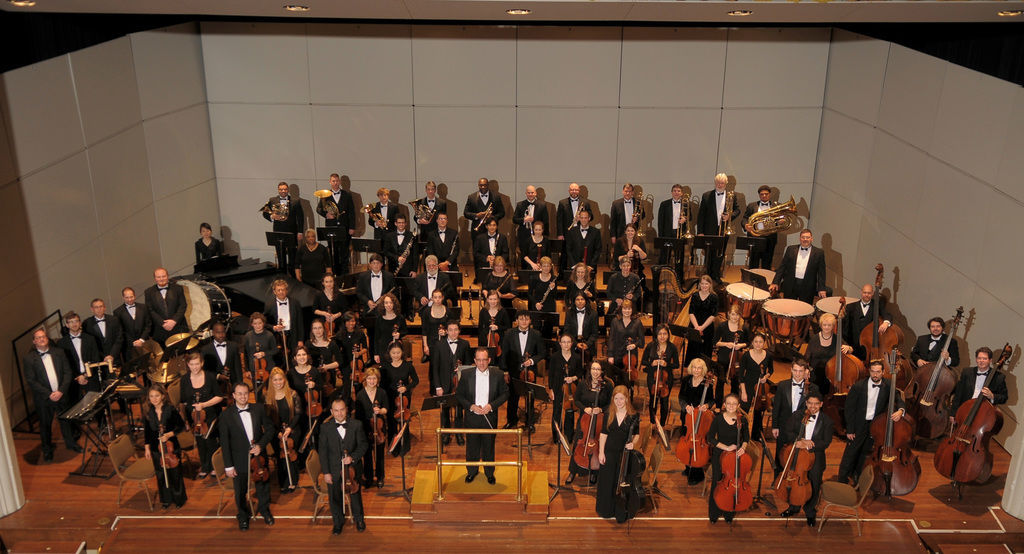
Since new life was breathed into the facility, it has continued to fulfill its purpose — which has included becoming home to the Albany Symphony.
“One of the major reasons the renovations went forward was for Albany Symphony to have a home,” Hillard said.
In the absence of the auditorium, the symphony played in a high school auditoriums. While the group could function without a building, having one like the Municipal Auditorium makes a big difference, Hillard said.
The building, he said, has value because of its place in the arts and culture world, but also because of its design.
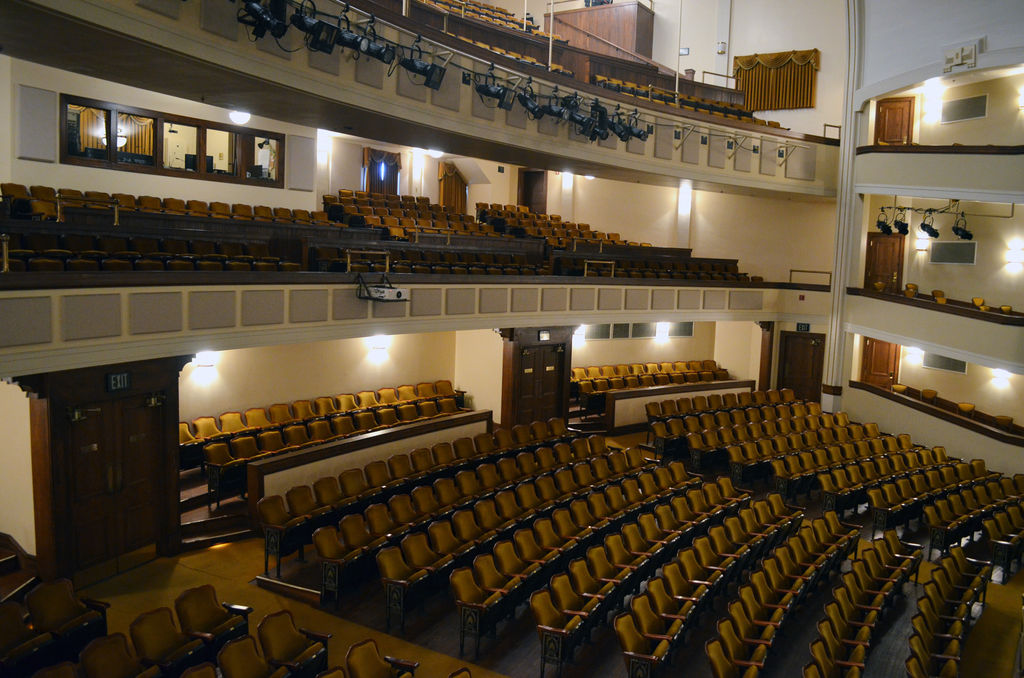
“There are three levels, but nobody is really very far from the stage at all,” he said. “Even though it seats almost a thousand, it is very intimate.”
Hillard said he holds faith the auditorium can maintain its position as a cultural focal point, and play a role in restoring downtown Albany.
“It can certainly happen if everyone can get around it … I hope it continues to become a focal point for arts and culture, and that it continues to be booked,” he said.
For $45,000, the piano Jones found — the last to be signed by John H. Steinway, the great-grandson of Steinway and Sons founder Henry E. Steinway, before his death in 1989 — was purchased and placed in the building’s orchestra pit.
“It was worth it a thousand times over to restore that building … Every time I walk in the lobby, I’m filled with pride,” Jones said. “It was restored to its original authenticity.
“With the revitalization of downtown, it is one of the landmarks we can feel very proud of.”
Among those welcoming the auditorium back from the ashes in 1990 was Albany native and Grammy winner Ray Charles — which on its own was of great significance.
“He is no longer with us, so it was a great memory,” Hillard said.
Some of its most notable visitors have included the Atlanta Symphony Orchestra, Yale University Whiffenpoofs, Women in Network Political Forum, National Opera Company, author Alex Haley, London Ballet, First International Glasnost Ballet Festival, Contemporary Japanese Dance Troup, Gran Folklorico de Mexico and the Vienna Boys Choir.
The Saturday celebration, set for 7 p.m. at the auditorium, will feature the Albany Symphony, Ballet Theater South, Albany Theater, Freedom Singers, Georgia Mass Choir, Willy Woody, Karla Heath-Sands as well as other guest appearances.
“Dance Rhythms” by Wallingford Riegger, who was born in Albany, was premiered at the auditorium in 1955. It will be played again at Saturday’s celebration, Hillard said.
“One hundred years is a long time to be in existence,” Jones said. “(We need) to honor its existence in the manner it has been programmed. It is a real drawing card for people to come back downtown.
“I think it was restored for another 100 years. I’m just very, very proud and happy of what Albany has to offer. We need to do more promotion of the Good Life City. I think we can be a role model for other cities in this country.”
If nothing else, it is owed to the next generation to give them quality exposure to the humanities, Jones said.
“We live in a global society, so we can better prepare them to face the world.” he said.
Due to its historical significance, the auditorium is expected to soon receive a Georgia Historical Society marker.
Tickets to the celebration are on sale for $10. For more information, call the Albany Downtown Manager’s Office at (229) 483-7665.

Related Articles

‘She Me Her and Him’ will bring story of life challenges to the stage in Leesburg
“I wanted to give the audience a bird’s eye view of a way to face the challenges of life.”

Deerfield-Windsor welcomes new headmaster, John Abernathy
“We have a very talented faculty that cares about these students. I think our faculty strives to meet the needs of our students and makes them accountable to our core values: honor, encouragement, character and service.
Dougherty Commission reviews government services contract process
“If you’re giving (to an) organization, it’s not out of bounds to ask these questions. It’s not tying anybody’s hands … but we want them to justify getting the money.”

