
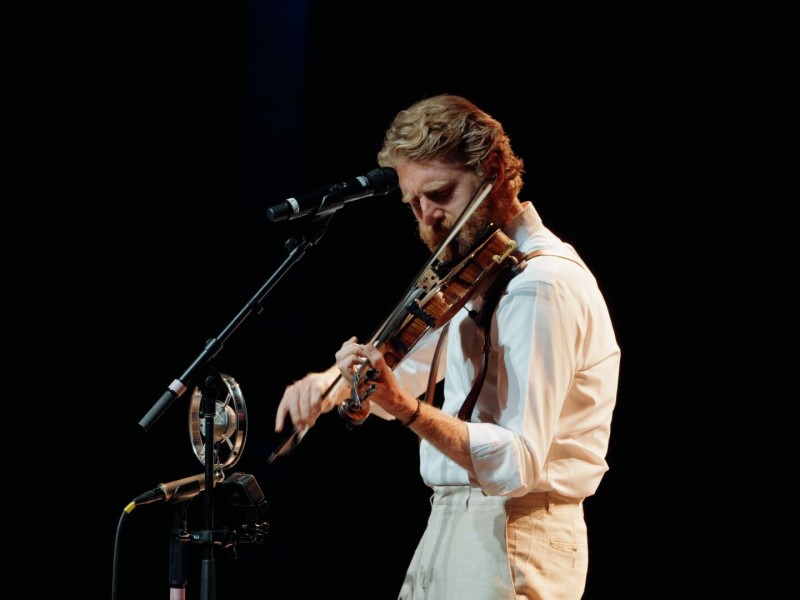
Renaissance Man Sean Dietrich brings ‘Sean of South’ persona to Albany
Special Photo
By Carlton Fletcher
[email protected]
ALBANY — The first question I ask Sean Dietrich during our phone conversation throws him off track for just a moment, I think.
Have you ever performed the song “Eve of Destruction” by Barry McGuire?
“I was thinking about our interview early this morning,” I explain, “and that song just popped into my head. I couldn’t get it out, so I wondered if maybe there was a connection … like maybe you performed the song.”
Dietrich laughed and then cemented what I knew was destined to be an enjoyable interview by proclaiming, “No, I don’t know that song, but I’m going to listen to it as soon as we finish.”
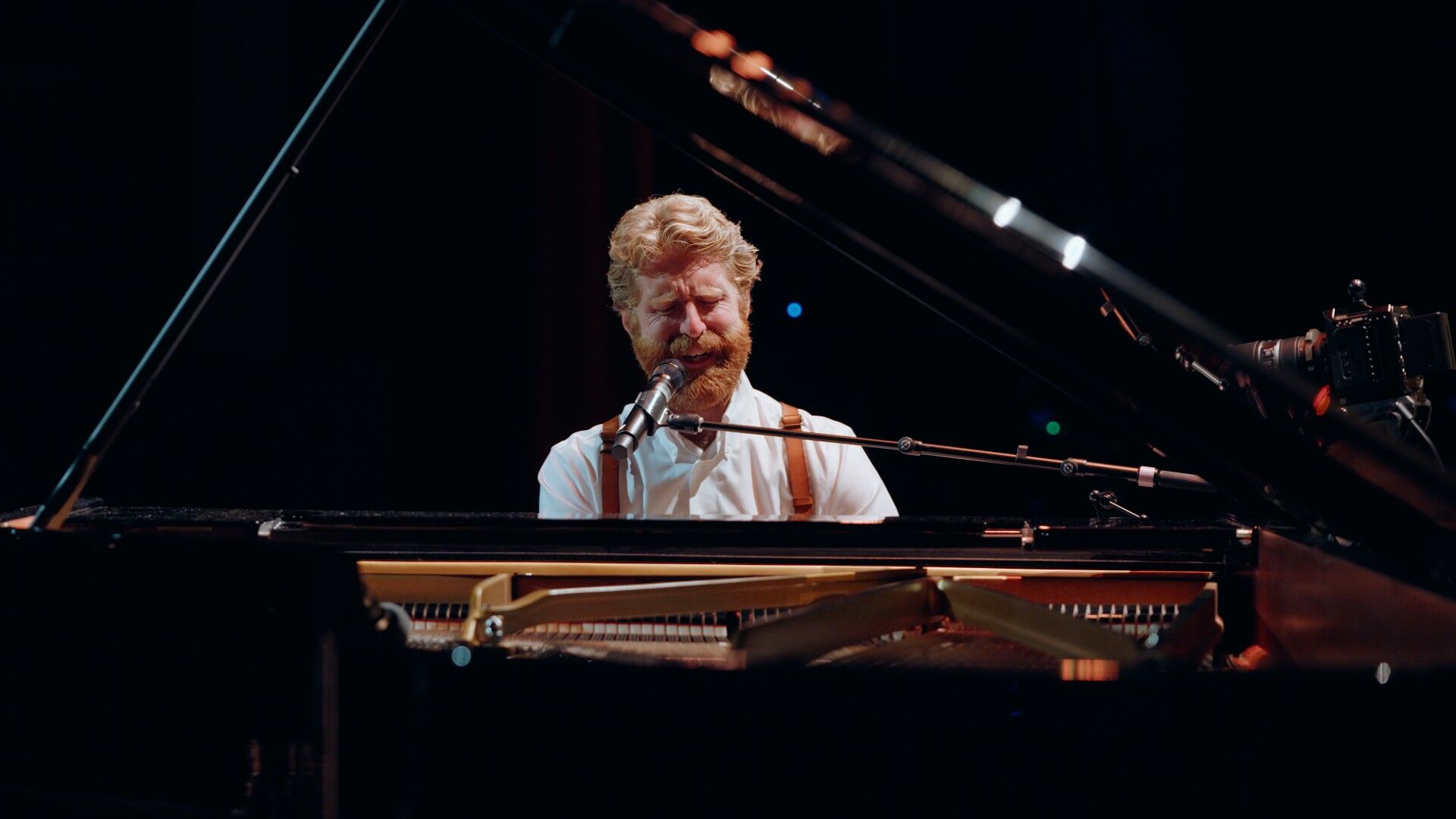
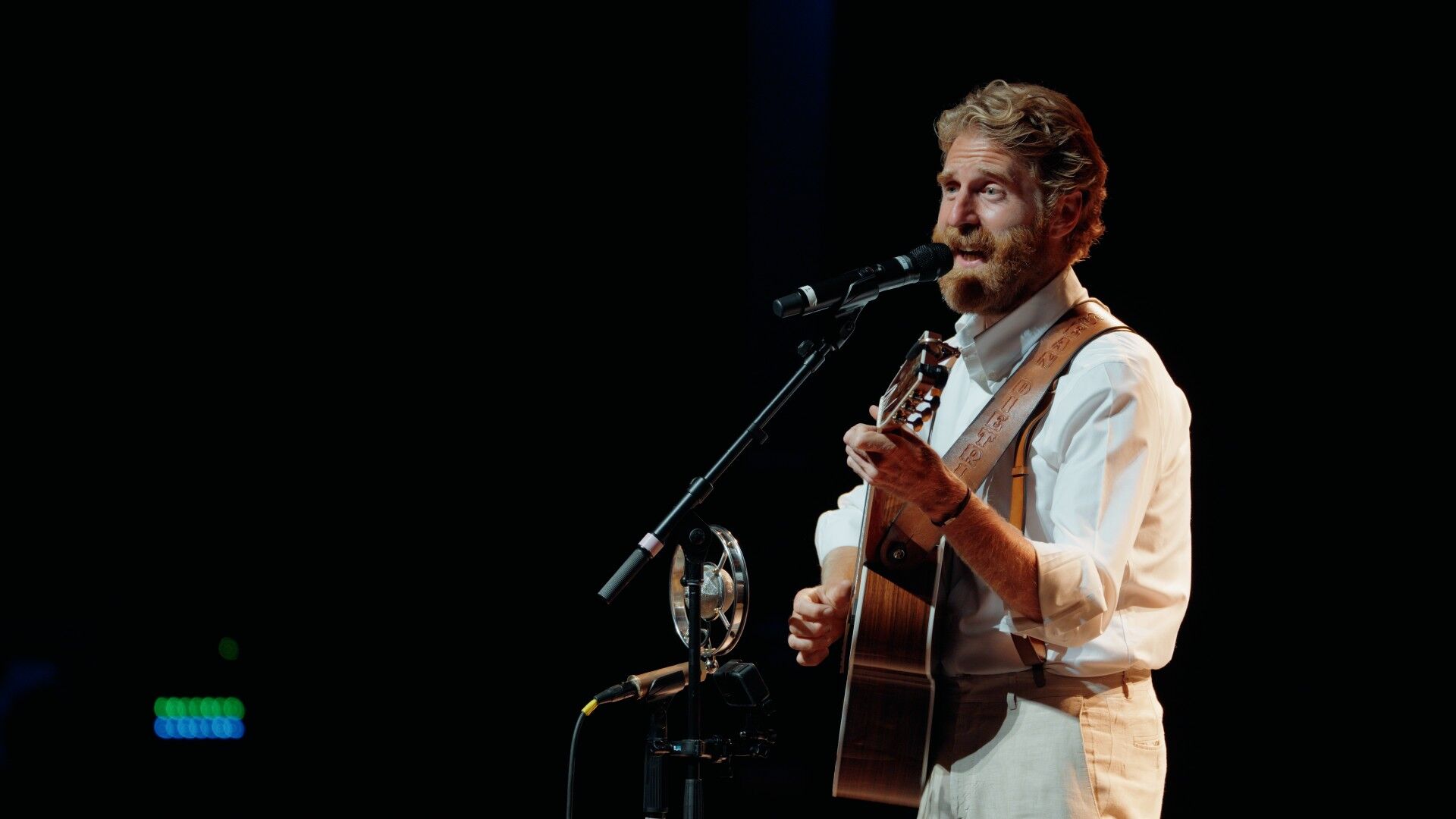
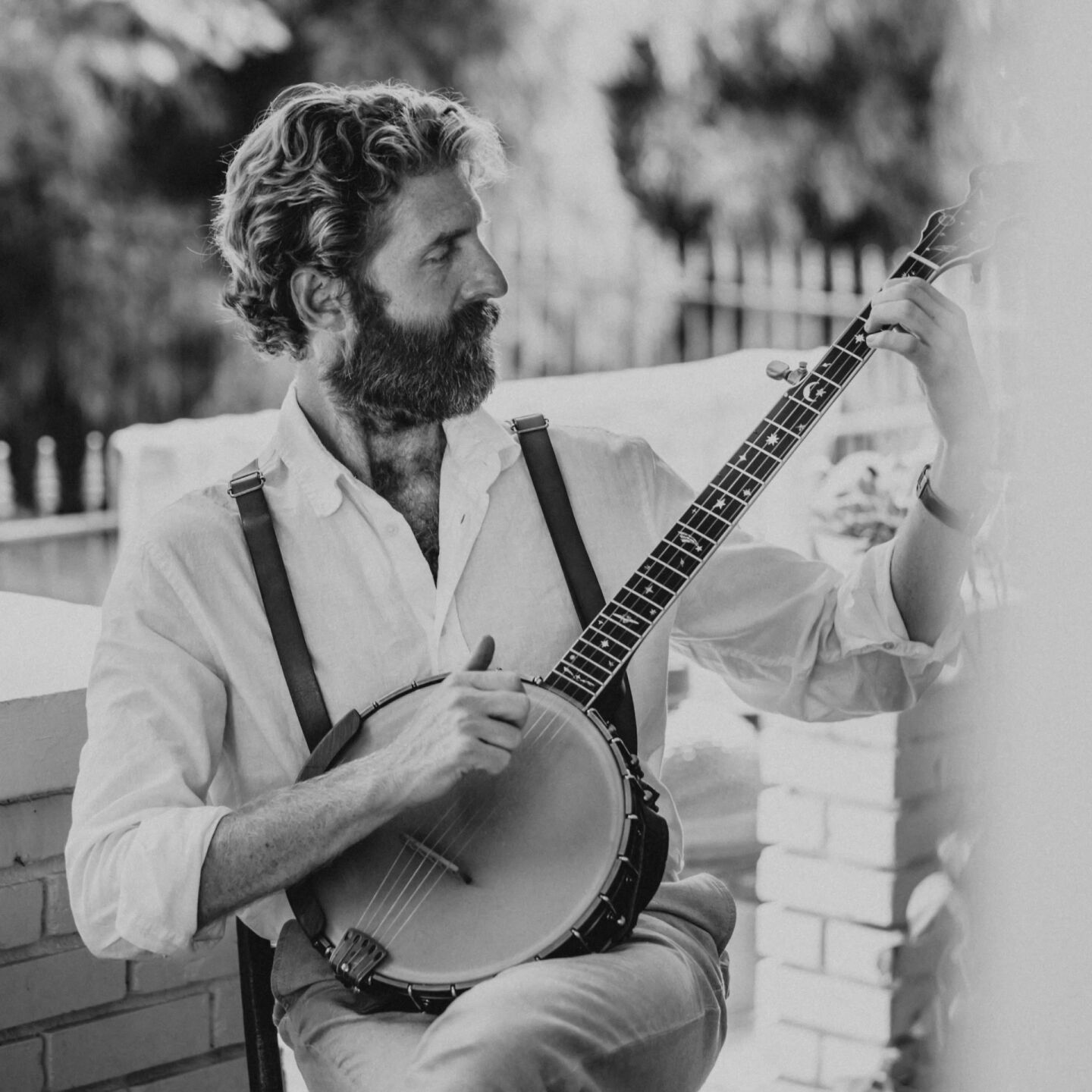
Dietrich, known to his growing legion of loyal fans as “Sean of the South,” is a Renaissance man in the truest sense of the word. He’s an accomplished singer who performs regularly — a large part of the time in Southern venues — a columnist who writes several columns a week and publishes them on his Sean of the South website (The Albany Herald runs his columns on Saturdays), and he’s a writer, with seven published books to his credit.
“All I’ve ever wanted to do is write and play music,” Dietrich said during an interview with The Albany Herald in advance of his Oct. 17 show at the Albany Municipal Auditorium. “Those are the two things that spoke to me.
“Honestly, I get the feeling sometimes these opportunities I’ve been given could dry up and blow away at any moment. So I pour myself into these pursuits. I feel like I can either enjoy what I do or just go through the motions. I hope no one ever thinks I’ve done that.”
Dietrich talked with The Herald about his various pursuits, his recognition as one of the era’s truly great storytellers and his admiration for another great storyteller, Mark Twain, during an early-morning conversation.
ALBANY HERALD: OK, let’s settle this: Are you a writer who sings, a singer who writes or a storyteller who does both?
SEAN DIETRICH: Yes … because I honestly don’t know what I am. I am as clueless as anybody. All of this is accidental … I’m kind of like a dead pig in the sunshine. I do know that all my life I’ve wanted to write for a rural newspaper and to make music. Those are the two things that spoke to me. There’s an expression among the old guys who play music: If you’re so into music that you have that vice, there’s no amount of miles you won’t go to play.
AH: When you perform, do you work off a set list or do you just play what you feel?
SD: I probably should go more with a set list, but 90% of the time I go with what I’m feeling. None of my shows are ever the same. I do go in organized, with something of a plan, but when I get a whim, I go with it. Like one time I got this fleeting thought that I wanted to close my show with “A Little Help From My Friends.” It was a special moment. My drummer and bass player looked at me like, “What?!” but they’ve taken me under their wing and we’ve developed a great rapport and friendship. They try to be sensitive to my brain.
AH: Do the stories you tell enhance the songs you play or do you look for songs to go with stories?
SD: Wow, that’s a great question. No one’s ever asked me that. But I feel that if you just launch into a song, it sometimes doesn’t give the impression you’re trying to get across. I always hope to convey that impression. I want the story to fit the song. Sometimes I have a story I want to sell, and I search for the right song to go with it, to find one that fits. So it’s usually a matter of how I feel at that moment.
AH: How did this character Sean of the South come to be? Was there a point where a light bulb went off and he was fully formed, or did the character evolve over time?
SD: This is so interesting to me: I’m a fanatic about Mark Twain. One of the big thrills I’ve had is speaking at a little theater in his house. He was two people: Samuel Clements, who lived a rough life — he’d lost his wife, his siblings, his children and was a bitter, cynical person. Mark Twain, on the other hand, was glib, funny and had as clear a vision as any writer. So there’s a you outside the art and a you inside. Sean Dietrich went through a life that was not very fun. … It was a trainwreck. But Sean of the South has found the sunshine in life. This is the me that comes throuh in my writing. I don’t really know how it happened, but the character came through fully-formed.
AH: I think writers see a good story in almost any situation. It appears from reading your stuff that you do, too. Where do your stories come from?
SD: Stories find me. When I start to write about other people, I kind of wait for the moment to hit me. Sometimes, it’s eerie. My wife and I were out at a restaurant, and we hear people talking about the waitress and things going on in her life. My wife will look at me and go, “There’s the story.” You sense that there’s a tiny bit of magic in the room, So the stories, they find me.
AH: Will your performance here be your first time in Albany? And when you go into a new place, do you do a little research before you perform?
SD: I do know folks from Albany; they’ve actually taught me how to pronounce it. I know — and I’ve written stories about — folks from Albany. Wait, yes, I have been to Albany. As for researching, I usually just cruise into a town and let it hit me.
AH: When you perform songs by other artists, do you choose songs by artists who inspire you or are you attracted to the song?
SD: I go through different phases of interest. I’m an obsessive individual. I just fall in love with songs. A week ago, a bookshelf fell in our house, and I was cleaning it up and playing songs on my phone. A live version of Carole King and James Taylor singing “You’ve Got a Friend” came on, and I just stopped and said, “This is a great song.” That’s the kind of song I look for.
AH: Do you get into politics much or is that too divisive a topic?
SD: I never do. I truly mean this when I say I’m not smart enough to make a balanced statement about political issues. I never touch that; it’s like poking a bear. Having said that, there are times when I can’t avoid conversations about religion. It comes up, and it’s like “Here we go …” One of the things I love about Dolly Parton is that she refuses to even discuss politics.
AH: How old were you, and how did it come about when you made the decision that “this is what I’m going to do with my life”?
SD: Never in a million years did I sit down and plan this — I don’t even know what you’d call what I do. There’s no label for it. Honestly, I thought I’d end up working in construction or some similar job. I’m just grateful that I grew up in northwest Florida, where there were enough places to play seven nights a week. I spend a good bit of time thinking how lucky I am.
Author

Related Articles
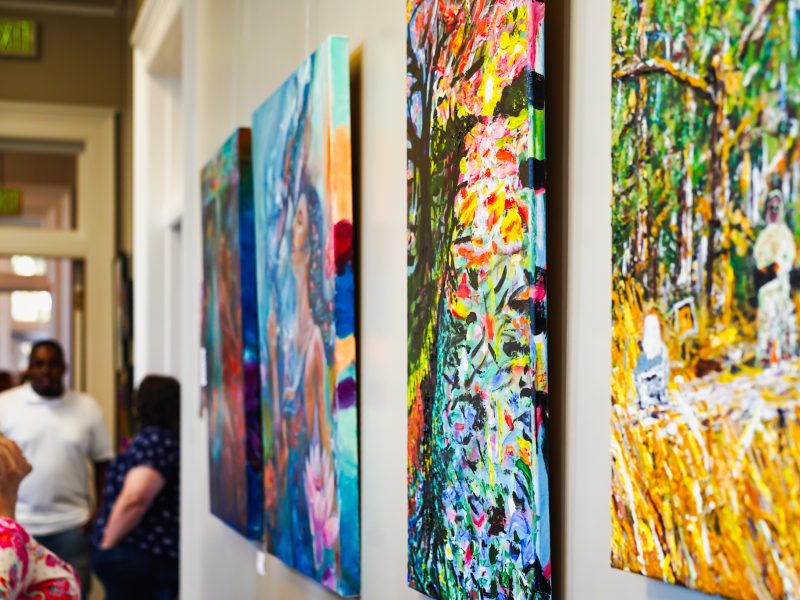
Southwest Georgia artists recognized at packed opening of exhibition
The annual juried exhibition, one of the region’s largest showcases of visual art, features approximately 46 artists and nearly 90 works spanning painting, sculpture, ceramics, photography and mixed media.
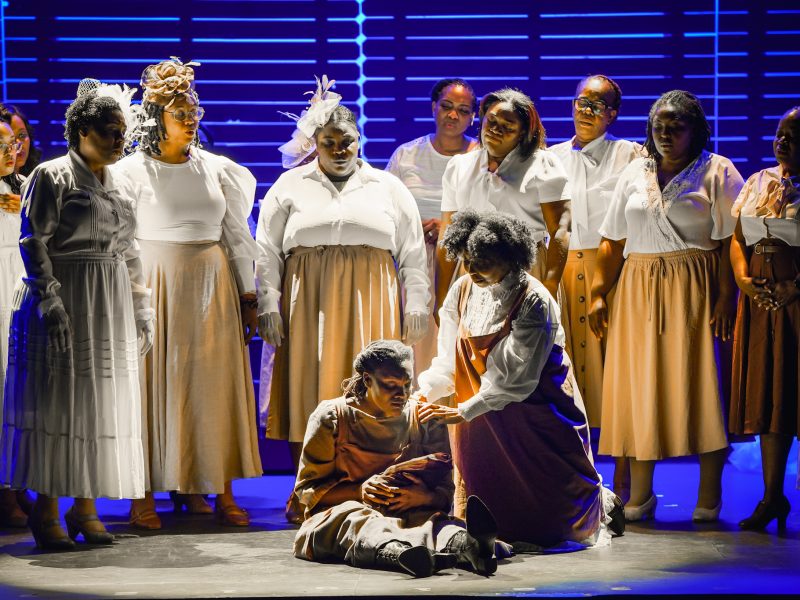
Powerful performances drive Theatre Albany’s ‘The Color Purple’
From the street, strands of purple ribbon wind around the white columns of the historic theater, hinting at the story waiting beyond its doors. Inside the foyer, a carefully curated slideshow flickers across a large screen, cycling through the faces of the cast. Some are seasoned performers. Others are stepping onto a stage for the very first time. Teachers stand alongside former students. Parents perform beside their children. People who worship in different churches, work different jobs and come from different corners of Southwest Georgia gather beneath the same lights to tell the same story.

Annual exhibition showcases southwest Georgia talent, community connections
Now in its 26th year, the exhibition features work by artists from across Southwest Georgia and offers residents an opportunity to engage directly with the area’s creative community.
