
Bishop talks economy, same-sex marriage
Jennifer Maddox Parks
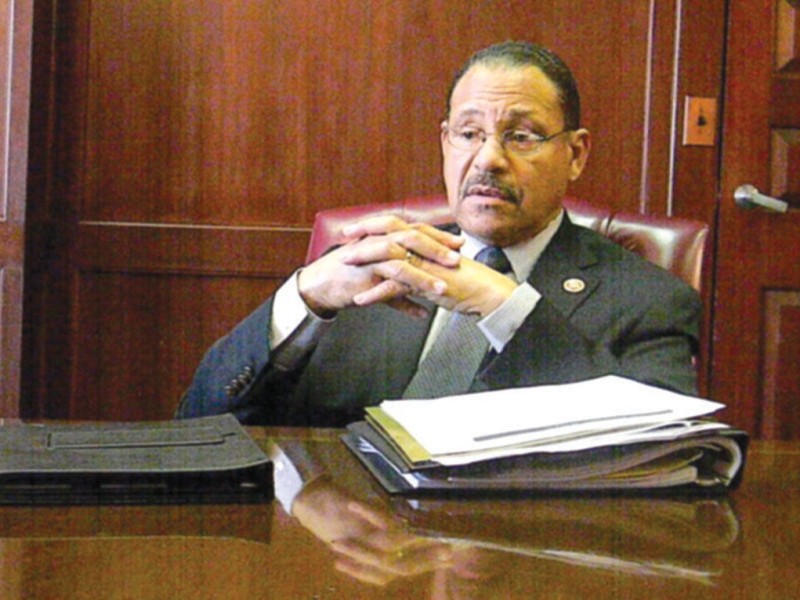
ALBANY — Same-sex marriage, the economy and the current fiscal crisis were among the topics U.S Rep. Sanford Bishop, D-Albany, touched on during a visit to downtown Albany on Monday.
During a meeting with The Albany Herald Editorial Board, the subject of the Defense of Marriage Act (DOMA) was the first to come up. Bishop said that while he supports giving those of homosexual orientation equal protection under the law in terms of discrimination or hate crimes, he has a hang-up with defining a legal same-sex relationship as a marriage.
“Based on my religious upbringing, I believe marriage should be between a man and a woman,” the congressman said. “… I believe they should have a permanent relationship with whoever they choose, but it should not be called marriage.
“I have members of my family who are in same-sex relationships. I understand that. I accept them as part of the family.”
He added that he supports ensuring benefits and inheritance rights to same-sex couples and approves the concept of civil unions.
Bishop is among the co-sponsors of DOMA.
At least through the end of this fiscal year, the federal government will have the funding necessary to function without a shutdown, but Bishop says an appropriations plan for Fiscal Year 2014 is still looming. Bishop also said there has been progress on the immigration issue, enough that that particular item may be addressed this session.
The key, the Second Congressional District of Georgia representative noted, will be finding common ground across party lines.
“To the extent people are unwilling to discuss opposing points of view … I find that harmful,” Bishop said. “It is going to take pressure from the public. In the district, whether they are extremely conservative or extremely liberal, they (my constituents) all say they hope that we will find a compromise and get out of gridlock.”
While representing one’s constituency is also about considering what the common good is for the nation as a whole, Bishop indicated one of the most critical issues in which that mindset is relevant is going to be how budget cuts are instituted.
“Whatever we do, we have to make some investments for the future,” he said. “When you buy a house, you don’t just let it run down.”
Like many of the nation’s leaders in regards to the situation in North Korea, Bishop said the unrest in that country warrants being watched closely.
In making his point, the congressman recalled his last visit to the country.
“I don’t know the young president. His father had not taken office fully the last time I was there,” he said. “I found them to be a very proud people; self-reliance is their motto. They were in a drought at the time, and our message was to stop selling rogue missiles. Their answer was straightforward; they had to feed their people and that was all they had to sell. They felt they have just as much right to develop technology as anyone else.
“(I think) the new president (Kim Jong Un) is rattling sabers so people will feel he is a strong leader. … It certainly gives us reason for caution and pause if he makes an error in judgment.”
Aside from jobs and monetary resources, energy is a vital component in keeping the economy rolling, making it all the more essential to maximize every available resource ranging from oil to nuclear to solar and wind, the representative said.
That is logic which applies to not just the United States economy but the global economy.
“Energy is key,” Bishop said. “My position is that we should have a broad portfolio. I think if we do (institute it) carefully, we will be the leader.”
On the subject of the economy, Bishop also made note of the port deepening project in Savannah by adding there was also a project in the works to put an off-shore port about 25 miles off the Georgia coast through which materials could be put on vessels small enough to fit into the ports in Savannah as well as Charleston, S.C.
Related Articles
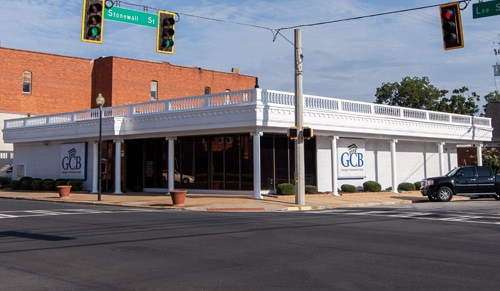
Dawson Council approves $400,000 lifeline in emergency meeting as financial accountability remains elusive
Less than a week after city officials publicly acknowledged the City of Dawson cannot continue operating without additional financing, the Dawson City Council convened a hastily called emergency meeting Tuesday evening and unanimously approved authority to borrow up to $400,000 through a tax anticipation note.

Lee County homeowners have until Aug. 1 to claim property tax exemptions
Lee County homeowners have until Aug. 1 to apply for homestead and other property tax exemptions for the 2026 tax year, a deadline members of the Lee County Board of Tax Assessors highlighted Monday as they encouraged eligible residents to take advantage of available tax relief.
Albany Herald – July 16, 2026
Albany among local governments looking… ASU Marching Rams first HBCU band
invited…
