
Amazon tour a memorable one

Jim West
ALBANY, Ga. — It’s a safe bet no blowguns or poison darts are required to secure lunch at Doublegate Country Club, though some recent diners there were treated to an overview of life along the Amazon.
Charles Gillespie, a retired Albany physician, recently completed a 10-day National Geographic tour of Peru and Tuesday he shared some highlights with members of the Dougherty County Rotary Club. The bulk of Gilliespie’s trip, he said, consisted of an excursion down a section of the Amazon river in a relatively small boat, stopping at selected villages or exploring jungle attractions.
The presentation, illustrated by Gillespie’s many personal photographs, recounted an experience the speaker described as “wonderful and educational.”
“On the boat, we had the best food you can imagine,” Gillespie said. “There was native food as well as steaks and all of that.”
One of the great challenges of the trip was the appearance of sudden rain storms, Gillespie said. In fact, during the rainy season, November through May, rivers are apt to rise an average of 48 feet, making most bridges impractical. Still, river travel is the way to go if you’re in any kind of a hurry.
“You have to go slow in the jungle,” Gillespie said. “It takes you two or three hours and you’ve gone less than a mile. “You need a machete to chop through it and fight anacondas and stuff.”
Amazingly, Gillespie said, there were some parts of the remote jungle which had electricity and sometimes even a satellite dish. Most everyone in the country loves soccer and do everything they can to watch the games.
Gillespie described a variety of exotic wildlife, including turtles, sloths, bats, manatees, poisonous frogs and nine-foot water lilies. The most unusual of the native fauna may have been the distinctively pink Amazon river dolphins which, according to Gillespie, have no actual dorsal fins.
Having been a medical doctor, Gillespie was intrigued that while Peruvian natives seem primitive in their medical practices, they’re also capable of finding effective treatments.
“Sometimes they believe in people who dance around and do weird things,” Gillespie said, “but then they’ll scrape the bark from certain trees to make a drink for children. It doesn’t smell or taste good but it gets rid of the parasites.”
According to Gillespie, children pick up the parasites by going barefoot every day.
Related Articles

Albany Herald – July 7, 2026
Lee County stands alones without… DOT say delay in Oglethorpe Bridge… ASU’s Leah Cowen Selected for…

Classifieds – July 7, 2026
Albany Herald Classifieds: July 7, 2026
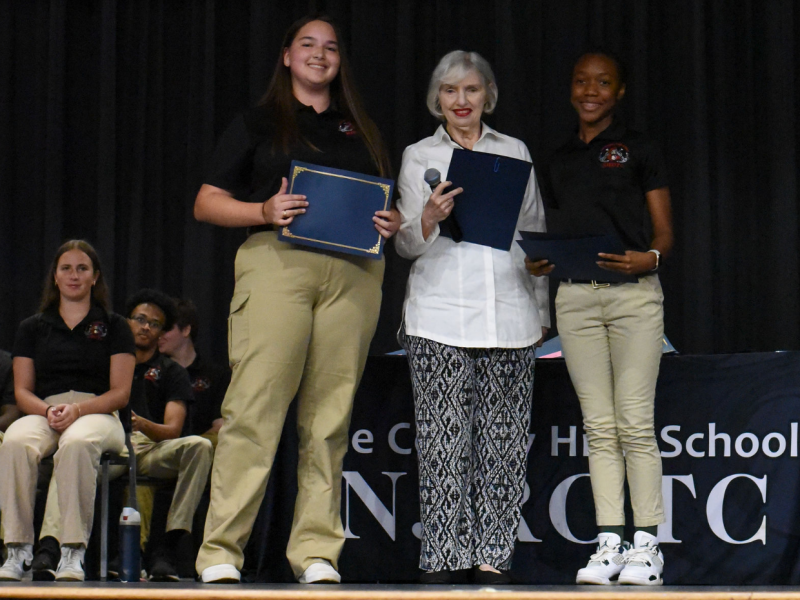
Lee County JROTC cadets honored by DAR for citizenship and leadership
Several Terrell County High School JROTC cadets were recognized for outstanding citizenship, leadership and service during the school’s recent JROTC Honors Night, receiving awards from the Old Herod Chapter of the National Society Daughters of the American Revolution.
