
Albany, Dougherty County leaders look for common ground on shared facilities
City, county jointly maintain Government Center, Annex Building, Judicial Building
By Carlton Fletcher
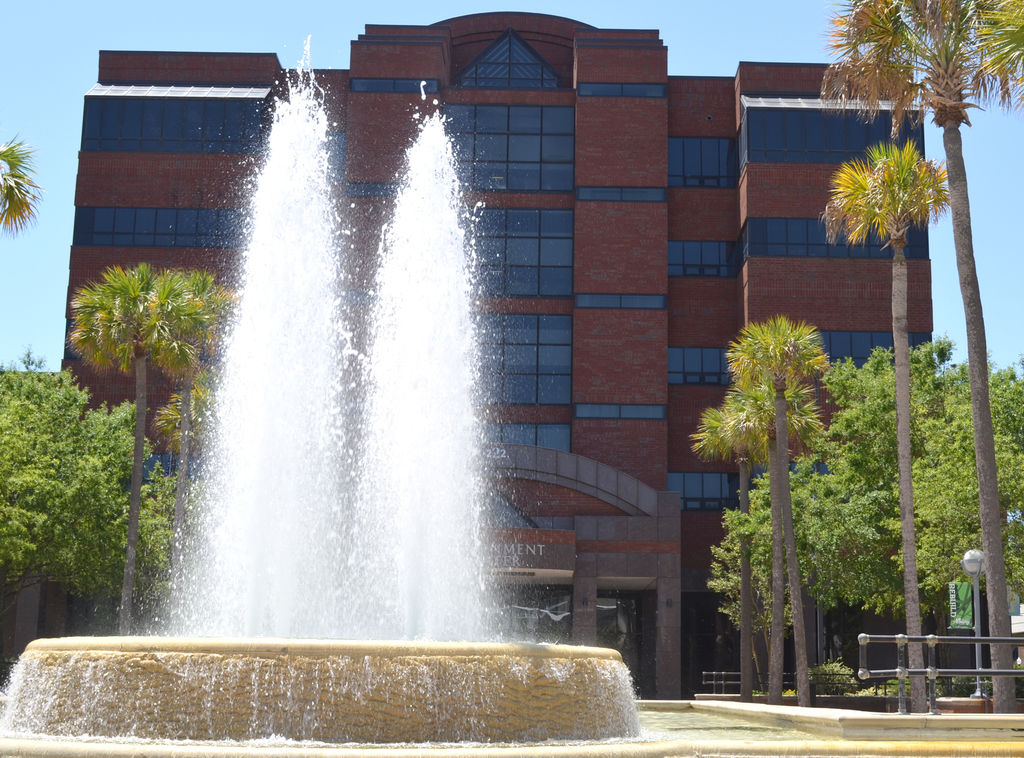
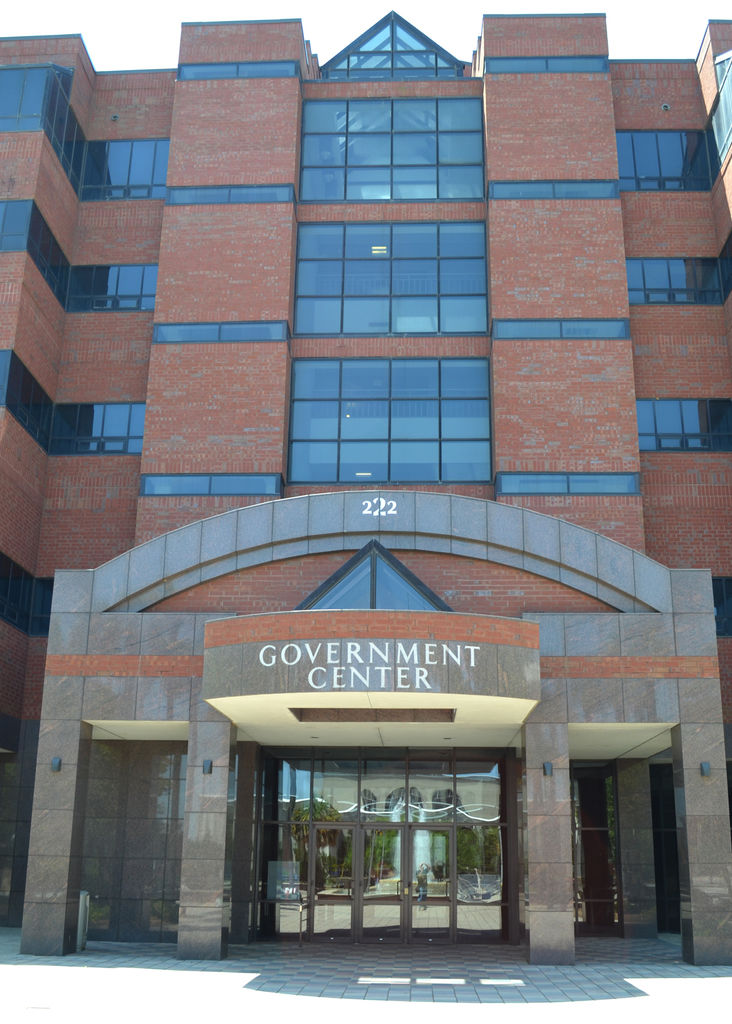
ALBANY — Officials at the highest levels of the Albany and Dougherty County governments are negotiating a plan for allocation of some $4.2 million in capital outlay funds that will be used to make repairs in the jointly used downtown Government Center, the Central Square Annex Building and the city/county Judicial Building over the next seven years.
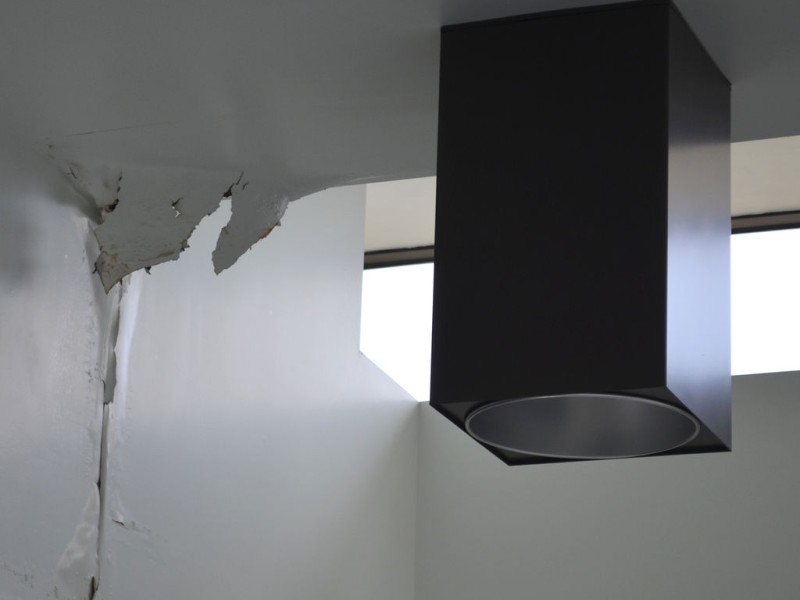
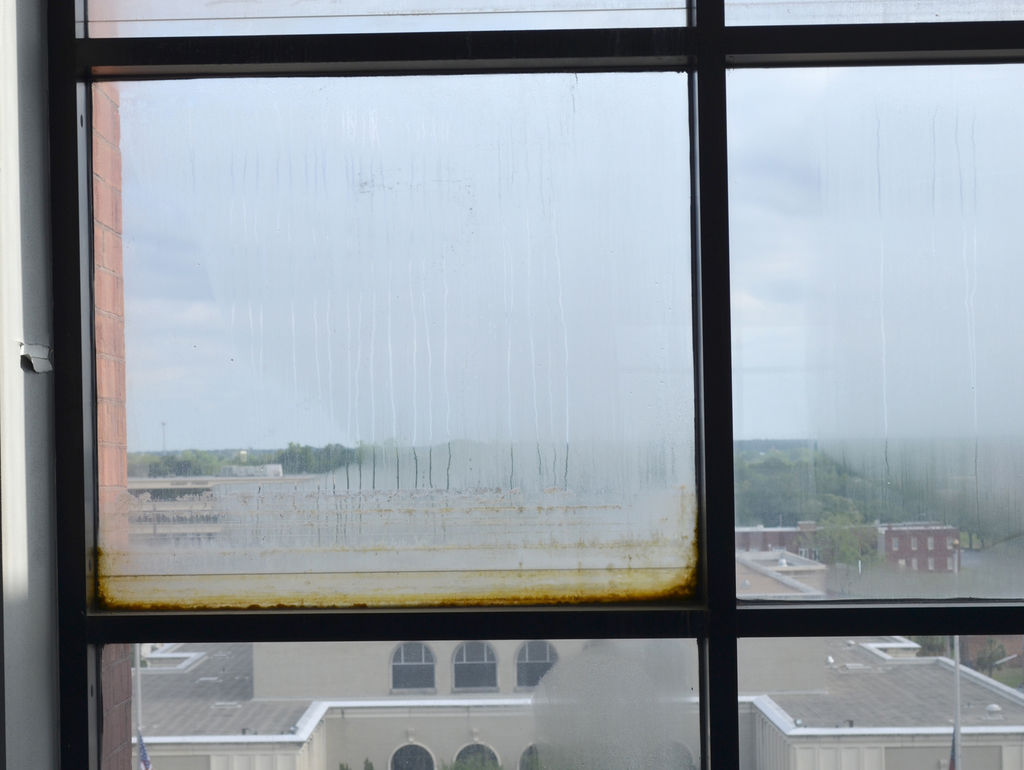
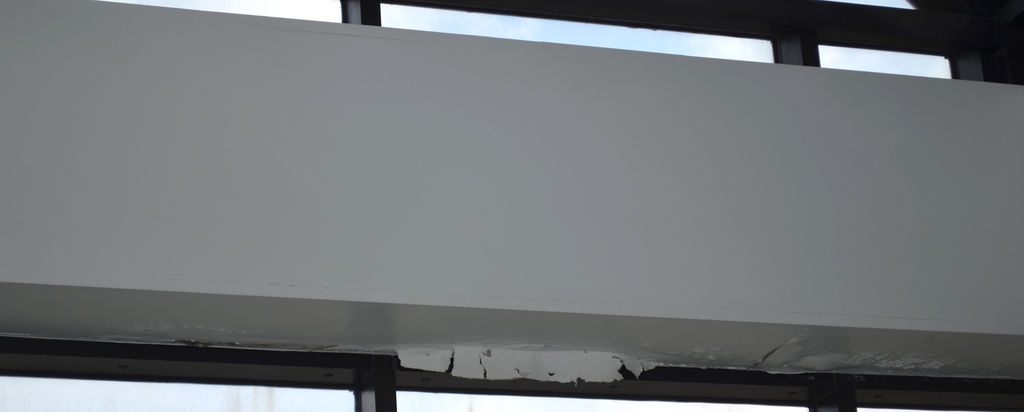
Since the generally accepted status of the buildings is that they are “owned” by the county, all but the Judicial Building having been built utilizing SPLOST funds that at the time were “controlled” by the County Commission, and that the city “rents” space in the facilities, questions have arisen over funding for needed repairs that include installation of a new chiller in the five-story Government Center, replacing carpet in the Government Center and Annex buildings, refurbishing the first-floor lobby of the Government Center, and waterproofing and resealing windows in all three structures.
“We’ve talked about the shared cost of repairs,” County Administrator Richard Crowdis said of the negotiations. “That’s where we are right now. The question becomes how we share the costs.”
City Manager Sharon Subadan, who was out of town Thursday and Friday, said via text that the city is talking with county officials about the costs.
The issue of repair costs becomes more critical as city and county governments prepare their wish lists for what they hope is a SPLOST VII, which will be decided by voters countywide in conjunction with the general election on Nov. 8. Dougherty County/Albany voters have overwhelmingly approved the first six special 1 percent taxes, which bring tens of millions of dollars into the community yearly.
Both city and county officials have vowed to use funds from SPLOST VII for infrastructure improvements if the measure passes.
Subadan, who reportedly demanded upgrades in her fifth-floor office when she moved into the Government Center after being hired by the Albany City Commission, is also overseeing work on the former Synovus Bank property purchased by the city to house Utility Board offices. That complex will include an office for the city manager.
“The new offices at 207 Pine are mostly for (Utility Board) staff, so (their utilization) will have no real impact on the Government Center,” Subadan wrote in a text to The Herald.
City Finance Director Derek Brown said work is ongoing on the interior of the former Synovus complex to “determine the best way to maximize the work space.”
“Ms. Subadan serves dual roles (as city manager and titular head of the Utility Board), so she will have offices at both locations,” Brown said. “But the primary occupants of the new offices will be utility employees.”
In addition to their shared interest in the Government Center, city and county officials also jointly share space — and costs — in the Central Square Annex Building (at 240 Pine Ave.) and the city/county Judicial Building (at 225 Pine Ave.). Figures provided by the county offer an interesting breakdown of each building’s usage.
The city of Albany actually uses 55.42 percent of the 32,346 square feet of space in the Government Center, the county the other 44.58 percent. (The two share the 16,342 square feet of common space — elevators, lobbies, stairwells, break rooms, etc. — equally.)
All of the building’s first-floor space (which includes meeting rooms) except for a small storage area used by the county, is shared equally. The city has Risk Management and Central Services offices on the second floor, the county Elections and a second office that is vacant. The two governments’ Human Resources departments are on the third floor, and their separate Finance departments are on the fourth.
Administrative offices for both are on the building’s fifth floor.
In the Annex building, the city utilizes 68.72 percent of the 35,793 square feet of occupied space, the county 31.28 percent. The city’s Treasury department and the county’s Tax and Tag offices are on that building’s first floor; the second floor is used by city Engineering, Code Enforcement and EEOC offices; and third-floor occupants include city Planning and Development and Code departments and county Environmental Health Services.
County offices take up an overwhelming majority of space in the Judicial Building, 80.49 percent to the city’s 19.51 of the 37,599 available square footage. City of Albany offices in the building include Municipal Court on the second floor and the 911 Center on the first floor.
County departments in the Judicial Building include Juvenile Court, records/archives, the sheriff’s office and the Clerk of Courts on the ground floor; District Attorney, Clerk of Courts, Probate Court and the coroner’s offices on the first floor; DA, Superior Court and Victim’s Assistance on the second floor, and Magistrate and State courts on the third floor.
Brown points out that the city’s collective “rent” for all three buildings in Fiscal Year 2016 will total $469,000: $149,609 in the Government Center, $152,604 in the Central Square Annex and $166,684 in the Judicial Building.
Crowdis notes that the city’s costs will go down some $25,000 in FY 2017, to $444,422.71. City cost per square foot for vendor, material and labor amounts to $1.52 cents; $1.14 per square foot for custodial services, and $2.27 per square foot for utilities in the Government Center.
That amounts to $4.93 per square foot.
The city’s costs in the Annex building are $4.11 per square foot and in the Judicial Building, $3.72 per square foot.
“I think if you’ll check with local Realtors, you’ll see that’s quite a good deal,” Crowdis said. “The Carl Vinson Institute of Government estimates that the fair market value rental rate for office space is somewhere between $12 and $12.50 per square foot.”
The primary questions city and county negotiators are looking to address as they discuss costs of the capital outlay for future repairs is who will pay what, as well as how and when the payments will be made? Crowdis, for one, said he expects the two entities to continue working together to find an equitable arrangement.
“The city and county have 27 service delivery agreements in place, and we’ve reached (agreement) on 26 of them,” the county manager said. “We just have to come to an agreement on facilities management. It’s something we do every 10 years.
“There will be some give and take as we discuss this; that’s inevitable. But the one thing I think everyone is keeping in mind is that we’re in this together.”

Author

Related Articles

Dawson City Council uninformed as state freezes sewer loans, audits remain incomplete
With three overdue audits, no Mauldin & Jenkins briefing on Thursday’s agenda and funding deadlines approaching, the larger question is increasingly urgent: How will Dawson pay to finish the work, and what will further delay mean for the future reliability of the city’s water and wastewater systems?
Across a county line, foster care rates reveal stark divide
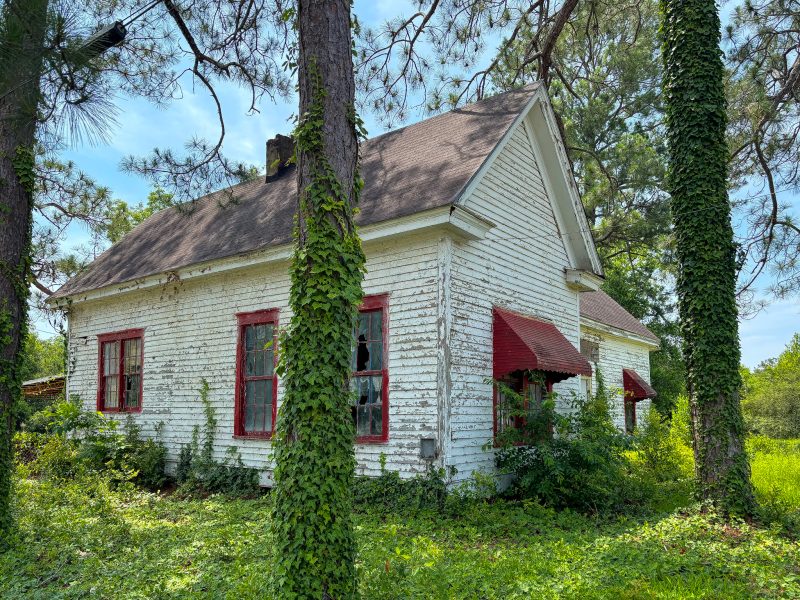
An abandoned home in Dawson sits overgrown and deteriorating, one example of the city’s ongoing struggle with blighted and unusable housing. Dawson’s long-range planning documents identify both a high vacancy rate and a need for more safe, affordable housing. Staff Photo: Kathryn Crockett
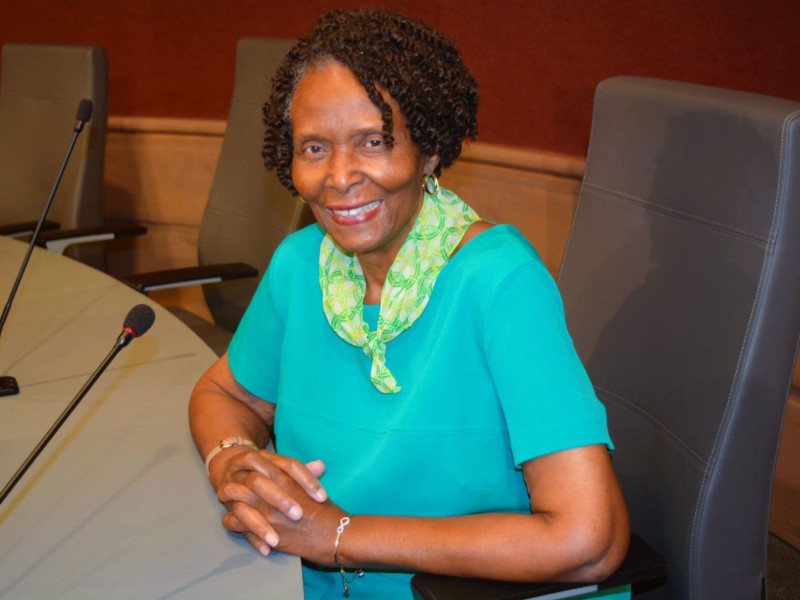
Dougherty Commissioner Gloria Gaines to serve as honorary sponsor of 2027 international conference in Atlanta
“By Alan Mauldin
[email protected]
ALBANY – In 1898 academic and sociologist W.E.B. Du Bois traveled to southwest Georgia during his summer break from teaching to investigate the lives of black residents in the “Black Belt” and later covered his sociological studies of the region in two chapters of his book “The Souls of Black Folk.”
The academic and peace activist’s visit and subsequent account was more than an intellectual exercise, however, according to Dougherty County Commissioner Gloria Gaines.
Du Bois’ account inspired South Carolina native Joseph Winthrop Holley to move Albany, where he founded the Albany Bible and Manual Training Institute. The institute later became part of the University System of Georgia and became a four-year college in 1943 before its last renaming in 1996 as Albany State University.
Holley was inspired by Du Bois’ writing, said Gaines, who will be an honorary sponsor of The International Conference on W.E.B. Du Bois: Race, Democracy and Global Justice in 2027. The conference is scheduled for April 9-11 in Atlanta.
“I am in admiration (of) his impact on the founding of Albany State University,” she said. “I also appreciate his political philosophy as well. He was clearly identified with Atlanta University and education.”
During her time at Albany State Gaines worked in the office of civil rights attorney C.B, King.
She holds a master’s degree in community development and worked as an assistant general manager for MARTA.
Her travels also have taken her to Africa, where she worked and met Nelson Mandela and Archbishop Desmond Tutu.
For the 2027 conference, Gaines has collaborated with individuals including professor Preston King, C.B. King’s youngest brother..
Last year she traveled to Accra, Ghana, where DuBois died after he was stranded out of the United States for his opposition to nuclear weapons and had his passport renewal denied, for his 157th birthday celebration.
The conference will feature discussions of democracy, equality and human dignity, Gaines said
“Those are issues that were important to him,” she said. “Now is a good time to talk about democracy. Some may see it as under threat. I think this conference will be timely. It’s a timely issue, not just for black folks as well as human dignity and equality within the country.”
