
Former Lee County seat now ghost town
Starkville, once a bustling city, is little more than a fading memory now
By Jon Gosa
LEESBURG — Southwest Georgia has a long, rich and sometimes infamous history. In places where towns once stood, sometimes nothing remains.
Lee County Code Enforcement Chief — and amateur historian/relic hunter — Jim Wright has spent a considerable amount of time researching the history of and exploring the remains of one such place, the county’s infamous ghost town Starkville.
Starkville today is deserving of the ghost town designation, according to Wright. Other than a few remnants and forgotten artifacts, the once bustling community is almost completely gone.
According to an article in the Albany Herald from 1941 the population of Starkville was “between 1,800 and 2,000 people.”
“Starkville has had at least three variations of its name over the years,” Wright said. “The original spelling was Starkville. Then somewhere along the way, an ‘e’ was added to make Starkeville, and I have seen it referred to as Starkesville, with an ‘s.’ I prefer the original.”
Wright, seated in his office, surrounded by numerous relics that he has found/uncovered over the years, explained that Starkville, the original county seat of Lee County, was a riotous, boisterous place prone to violence and lewd behavior and in its hey-day rivaled many of the Wild West towns of American history.
“Because of the considerable amount of gambling, drinking, violence and prostitution that took place on a daily basis in Starkville, it was openly compared to places like Cripple Creek, Colorado, a gold mining town with a particularly violent history,” Wright said. “There were more bars than churches, and there were eight churches.”
Wright invited longtime friend and fellow relic hunter Kevin Morey to join him and a guest on an exploration adventure of Starkville. He explained that Morey was extremely knowledgeable about early Georgia history and was also an avid relic hunter.
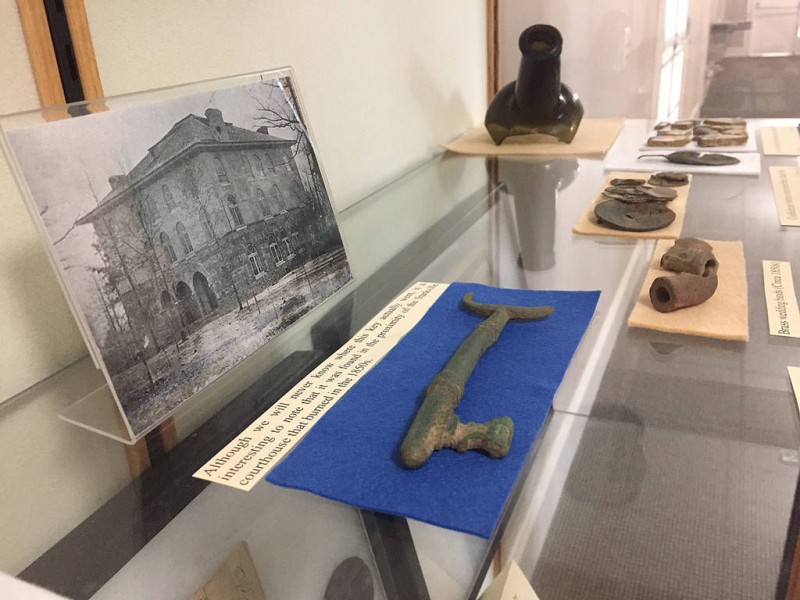
“Starkville had a three-story brick courthouse, four gambling halls and a brothel called the Primrose Path,” Morey said. “It was a wild place from what I have read.”
Morey was right. Starkville, originally founded in 1832, held many of the original county sessions under a giant oak tree until a courthouse was constructed in 1837, according to the Inventory of the County Archives of Georgia.
The jail followed in 1940, along with houses, other public buildings and a number of watering holes.
“Starkville was said to have been the center of the drinking fraternity, a factor which may have contributed to the removal of the county seat to Leesburg,” an excerpt on Starkville from the Inventory of the County Archives of Georgia said. “During the year preceding the Civil War and afterwards, Starkville was a wide-open, rip-snorting town and was the mecca for all kinds of sporting events. Twelve saloons supplied the thirsty. Four wide-open gambling halls were in operation. There was no curfew to ring, and bars and joints were all-nighters.
“Walking the streets at midnight by the saloons and gambling halls, one could hear the sibilant shuffle of the pasteboards and the flip of the chuck-a-luck drum (roulette wheel). Merrily greeting your ears also inside were stud and draw poker, the old faro dealer manipulating his cards, and the rattle of a high dice game, the irresistible lure of chance. Down near the Muckalee Creek, the brilliant lights of the Primrose Path flashed and blinked, and the blare of music and sounds of revelry caught the ear of the fellow feeling his way home at the first flush of dawn.”
The men of Starkville are said to have “toted guns, shot straight and drank liquor,” the archive said. “The old town was the scene of many heartbreaking tragedies, and homicides were of frequent occurrence.”
Before loading up in his truck and heading out of Leesburg, Wright asked an Albany Herald reporter not to reveal the exact location of the Starkville site, as it is now on private land.
After a short drive, the turn-off approached, but there was no sign of the former town that could be seen. Wright explained that once the courthouse burned during the 1850s and the railroad decided to go through Smithville and Leesburg, the most geographically flat areas in the county, Starkville simply dried up and faded away.
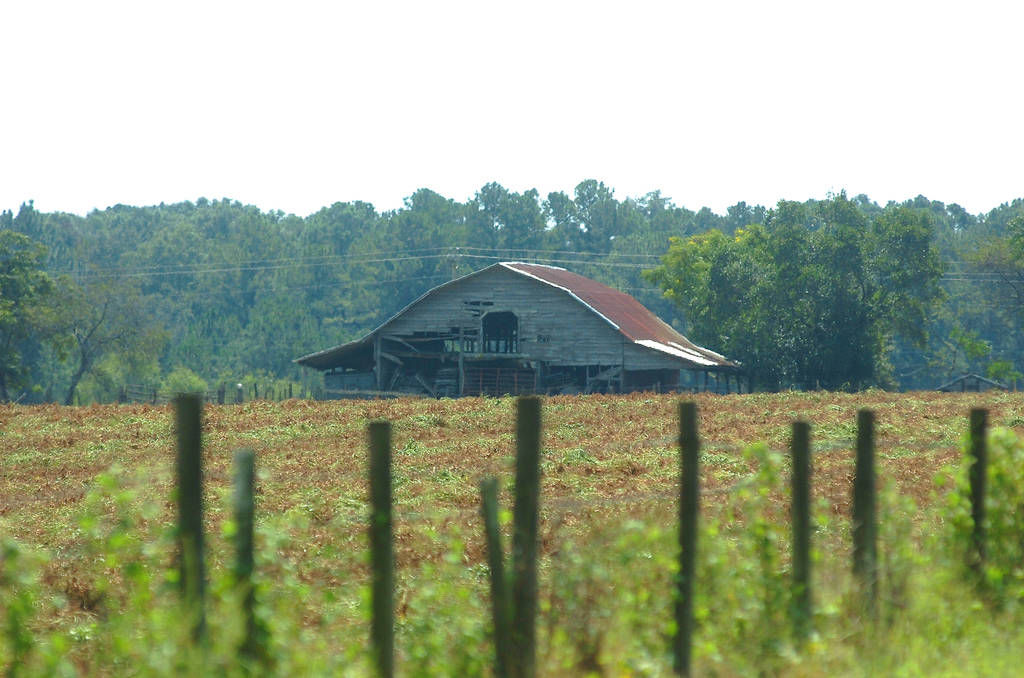
Wright stopped the truck, and where the town once stood, only cow pastures remain. The rolling hills that once supported the bustling community of eight churches, 12 bars, four gambling halls, a brothel and an assortment of other businesses and homes appeared lonely and barren.
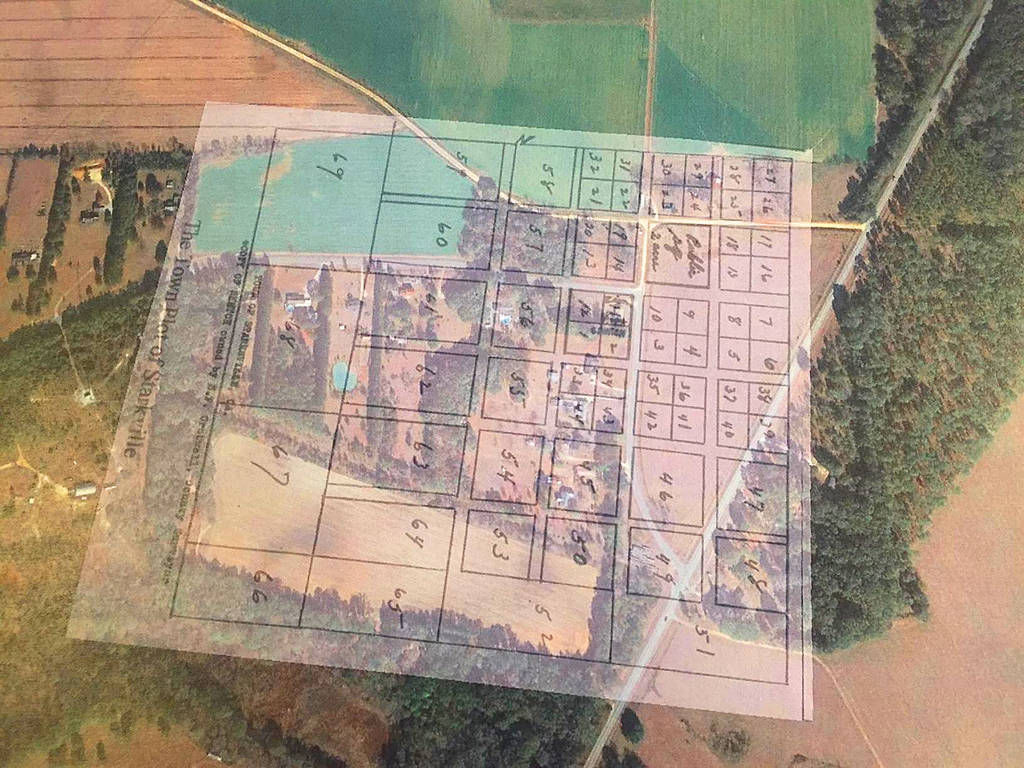
Wright drove on, and after a few hundred yards turned off the main road onto what was at best an overgrown dirt trail. Bumping and scraping along, the Code Enforcement chief explained the layout of the former town.
“The courthouse sat right there,” Wright said pointing to an area occupied by several head of cattle. “This was one of the main streets, which led out of town that way. And over here is one of the most infamous landmarks, the hanging tree.”
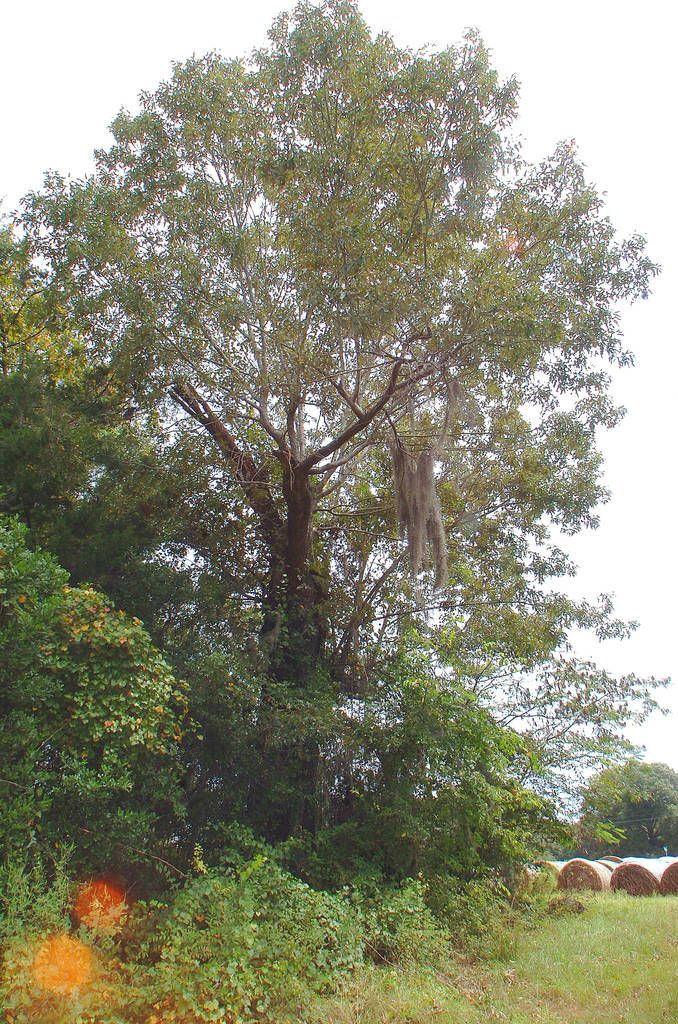
Wright circled through a small wooded area before crossing into a clearing underneath a giant, nearly hidden, red oak. The tree was obscured by undergrowth, and an eerie tuft of Spanish moss dangled from a large horizontal limb about halfway up the enormous furrowed trunk.
“There was a terrible lynching in 1899 that occurred here after Sheriff Moreland of Lee County was killed,” Wright said. “A mob of about 40 or 50 men hanged to death five men in this tree.”
The incident was reported in the New York Times in February of 1899 when the governor of Georgia dispatched 45 National Guardsmen to the area after the lynching.
“The bodies were found by Lee County citizens who were out early today,” the 1916 article from the Times read. “Going out from Starkville a short distance, they encountered the five men hanging from one limb within full view from the road.”
Wright drove on to another site saying, “Starkville definitely had a dark side.”
Crossing a two-lane blacktop, Wright pulled off into the grass. From the shoulder of the road, a depression in the landscape is clearly visible.
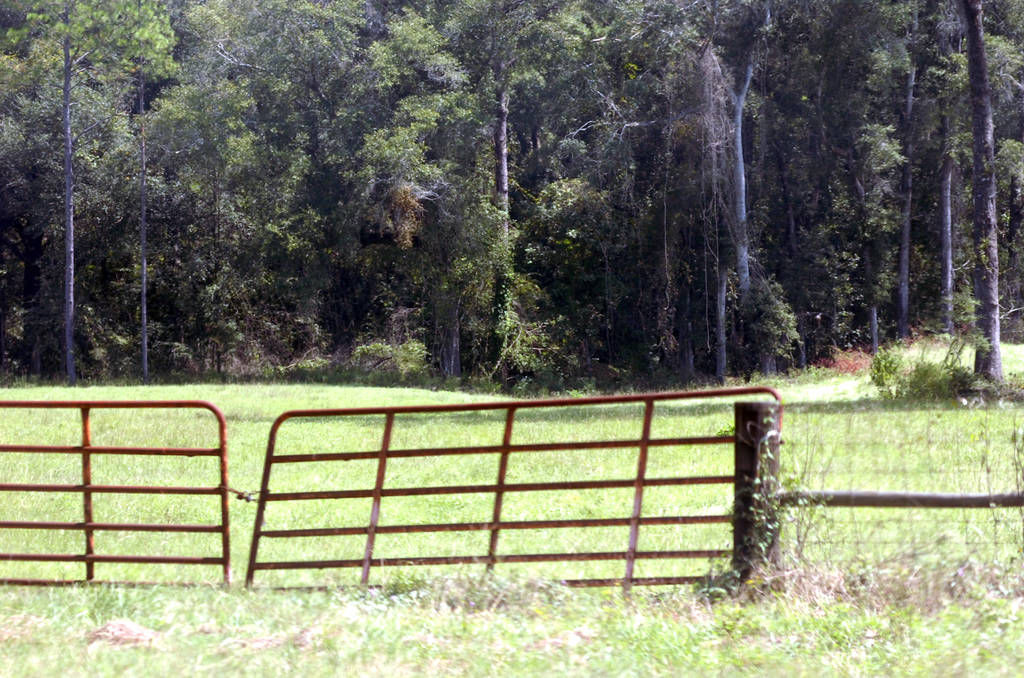
“You see that gate and the depression in the ground across the field?” Wright said pointing. “That used to be the road out of town. Down through those trees is the Muckalee Creek, and we can’t see it now because the water is so high, but down there in the mud the concrete supports for the old bridge are still there. When the water is low enough, you can still see the old gristmill.”
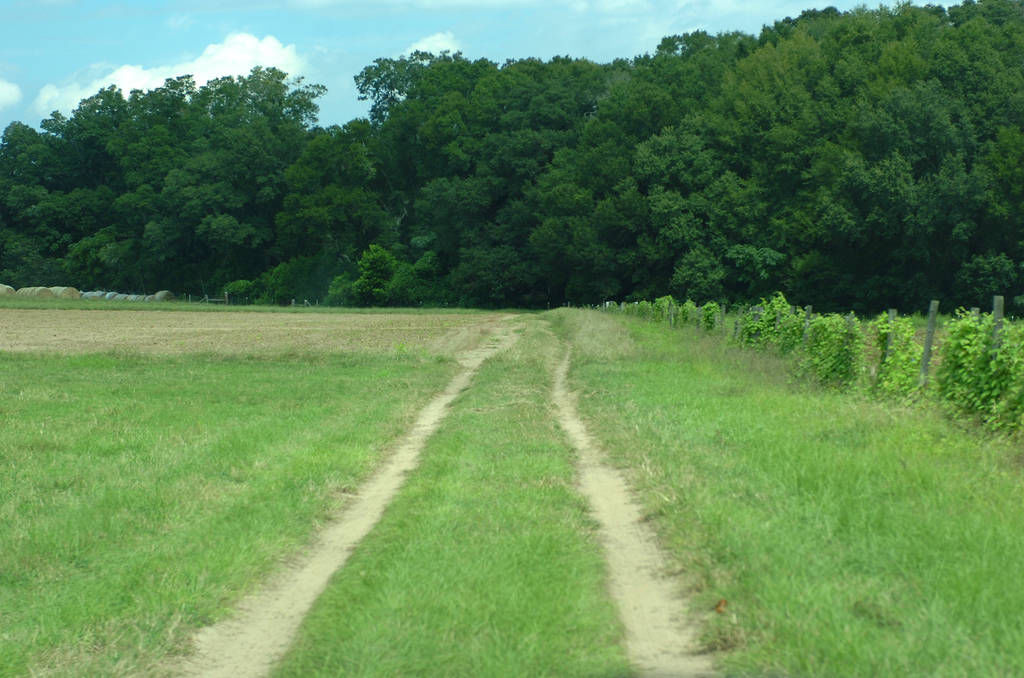
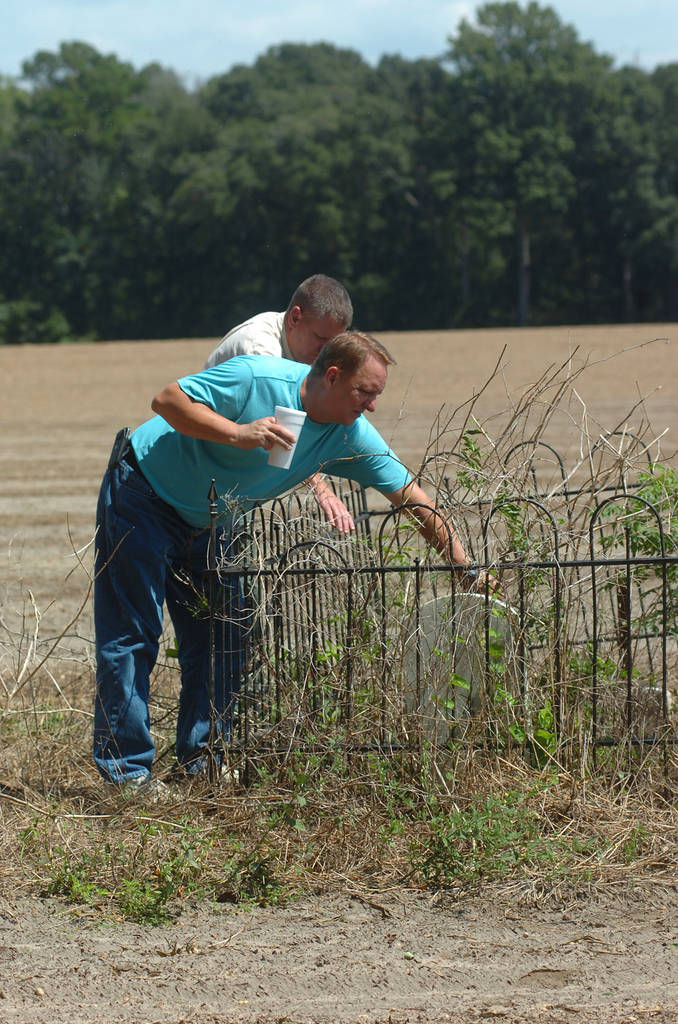
Wright circled back the way he had come before turning off into a recently cut field. Hay rolls dotted the landscape. Driving along the woodline, he stopped after several hundred yards beside a small overgrown iron fence with a single grave marker in the center. The fence stood about 2 feet high and revealed its age through a layer of rust and several misshapen posts damaged by passing tractors.
“This is a gypsy grave,” Morey said. “This lady, for whatever reason, was not allowed to be buried in the town cemetery, which is over there.”
Morey pointed up the hill to a wooded grove.
Morey and Wright attempted to pull some of the vines away from the gravestone and fence. The name Nancy Freanch adorned the marker.
“There are graves all out here,” Morey said, pointing around before heading up the hill to the actual Starkville Historic Cemetery. “All of this agricultural land has more and more crept into the original cemetery.”
Stopping near an irrigation pivot running parallel to a barbed wire fence, Wright stopped and jumped out of his vehicle.
“Come on,” Wright said. “The cemetery is in here.”
Completely overgrown, the old cemetery/burial ground sits obscured, hidden by briers, scrub brush and giant oak trees.
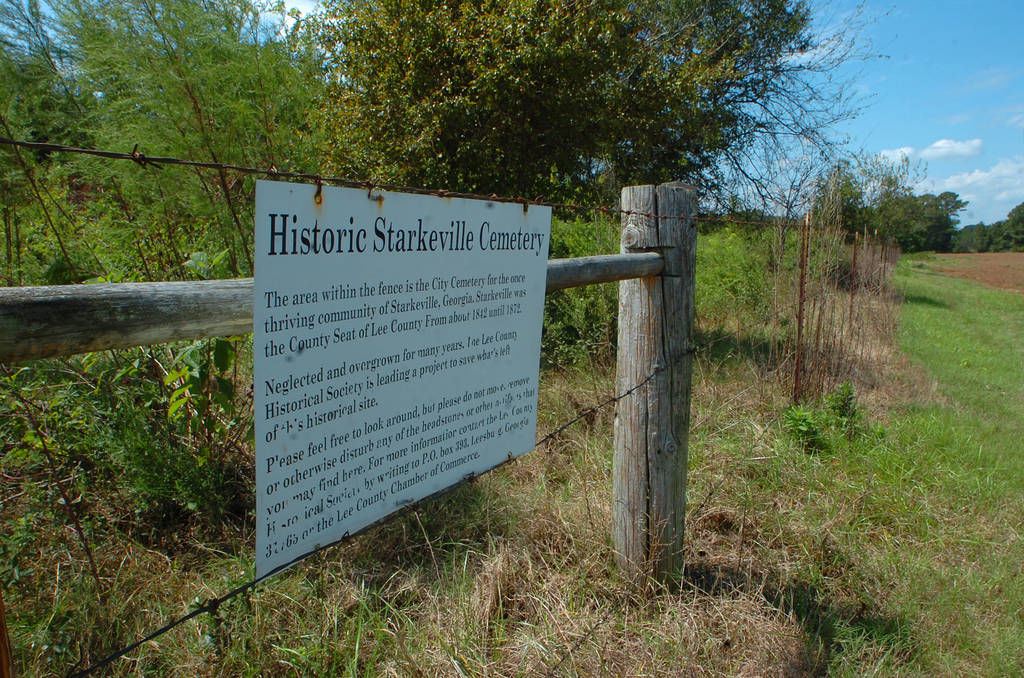
A tattered and rusted sign, placed by the Lee County historical society years ago, is the only thing that marks the site.
From outside the loose barbed wire, no grave markers could be seen.
“There are really large markers in here, but no more visitors come here to mourn their dead,” Wright explained. “The old cemetery is now the sanctuary of whitetail deer, raccoons, squirrel, rabbit, rattle snakes and the occasional history buff.”
Wright waded knee-deep through stickers and sawgrass, past dogwoods, an occasional long-leaf pine, and a subterranean bee hive buzzing loudly.
“Watch out for the bees,” Wright warned.
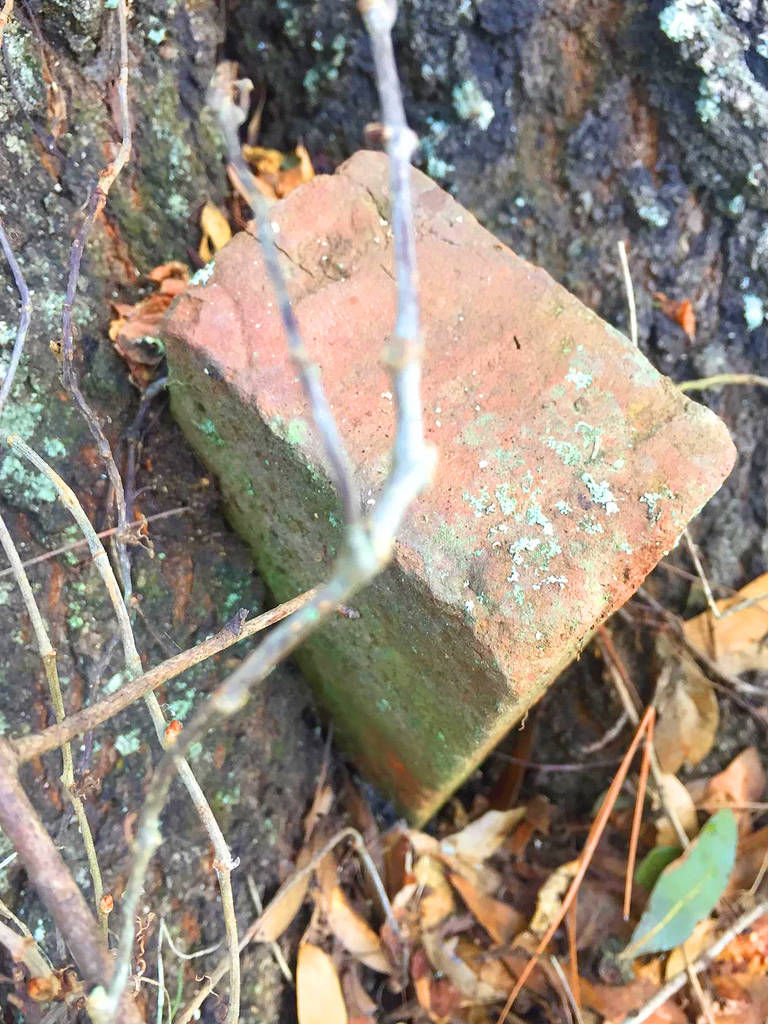
Many of the giant oaks, obviously more than 100 years old, had grown undisturbed, straight through the middle of several graves, swallowing bricks and grave markers alike.
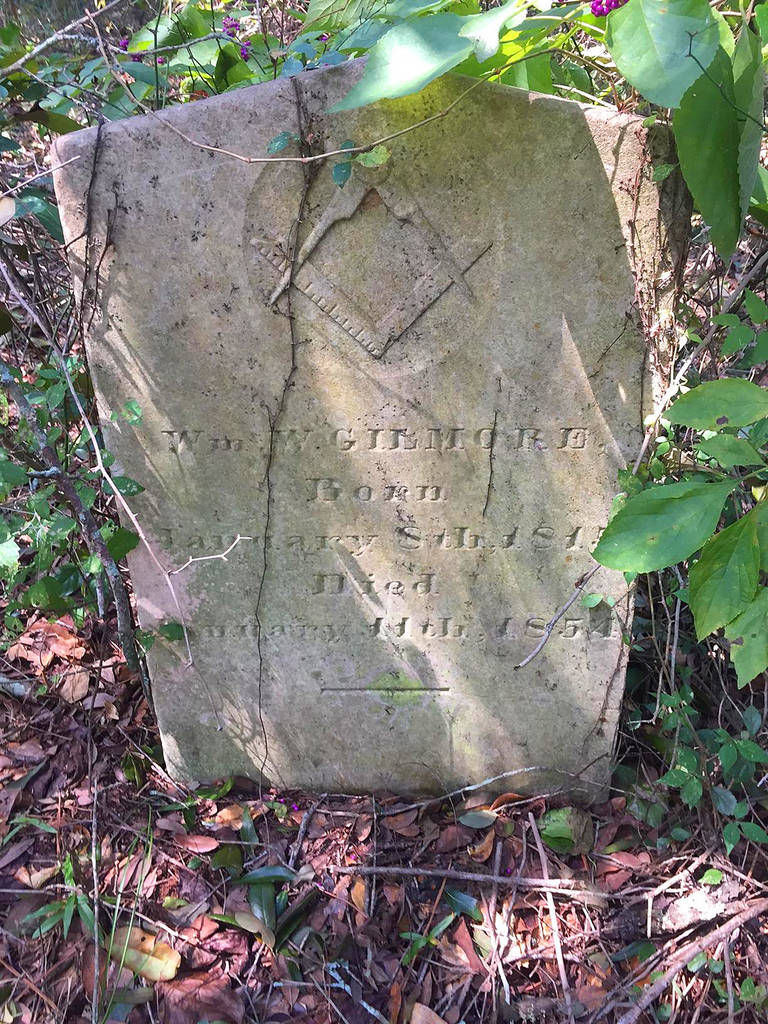
Wright was able to locate one grave dated 1842, but the woods, now thick after the wet summer months, would make finding more graves difficult, he admitted.
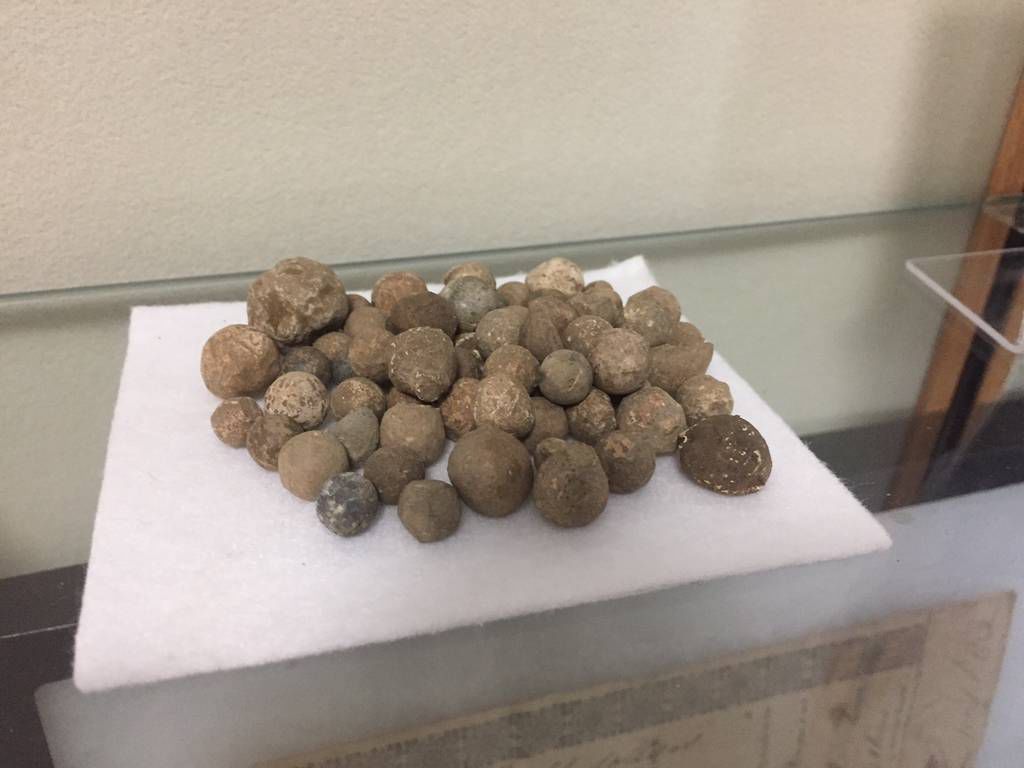
“You know, it’s hard to believe that there used to be such a booming town right here,” Wright said, looking around. “Now, the only thing that’s left are a few graves and some relics. From boomtown to ghost town, Starkville, like so many other places, faded into history and was just forgotten.”



Related Articles

Pelham farmers turn hardship into a regenerative mission
When serious health problems disrupted April Workman’s career, she and her husband, James, began reconsidering how they earned a living, raised their family and cared for their farm.

Land bank’s deadline to reclaim blighted Radium Springs house expires
A house sold by the Albany-Dougherty Land Bank near the Radium Springs fishing pond remains unrepaired, but the deadline to reclaim it under the deed has expired, commissioners were told Monday.

Dougherty School System’s Ken Dyer one of four finalists for state Superintendent of the Year
“Our work has always been about creating opportunities and expanding possibilities for children. I’m proud of the progress we’ve made, but I’m even more excited about what lies ahead.”
