
Georgia Trust names Americus church ‘Place in Peril’
Fate of Calvary Episcopal Church, Lee Street Bridge tied together
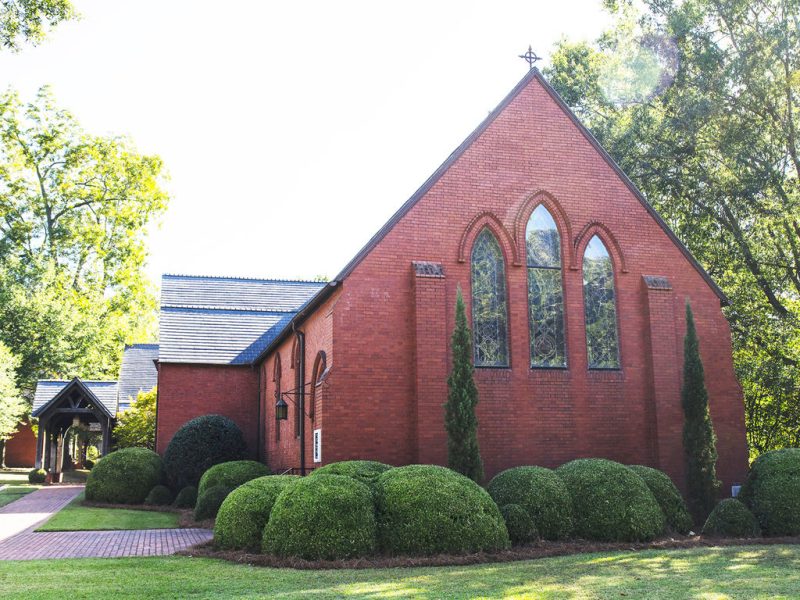
The Georgia Trust for Historic Preservation recently released its 2017 list of 10 Places in Peril in the state. Included on the 10-structure site list are Calvary Episcopal Church and Lee Street Bridge in Americus. (Photo: Halston Pitman courtesy of Georgia Trust)
By Terry Lewis
ATLANTA — The Georgia Trust for Historic Preservation recently released its 2017 list of 10 Places in Peril in the state. Included on the 10-structure site list are Calvary Episcopal Church and the Lee Street Bridge in Americus.
The Calvary Episcopal Church was built in 1921 under the leadership of the Rev. James Bolan Lawrence and renowned architect Ralph Adams Cram, who was known for his Gothic Revival-style collegiate and ecclesiastical buildings.
The church is surrounded by a historic residential neighborhood and is adjacent to an active Heart of Georgia Railroad line that passes under the historic Lee Street Bridge next to the church.
According to The Georgia Trust, the church building and surrounding historic properties are threatened by the proposed demolition and replacement of the Lee Street Bridge. The replacement bridge, as proposed by the Georgia Department of Transportation, would be elevated to accommodate double-stacked railcars below.
The Trust claims an elevated structure would have a significantly adverse impact on the neighboring historic properties, especially Calvary Episcopal Church.
“We have been in discussions with GaDOT about the bridge,” Sumter County Commission Chair Randy Howard said Tuesday. “That bridge is 101 years old, and GaDOT says it’s a safety issue and needs to be replaced.”
Howard said there is opposition to replacing the bridge coming from members of the church and residents of the historical neighborhood that encompasses the area.
“We have some people putting the cart in front of the horse,” Howard said. “No decisions have been made; in fact, we just completed a site survey. But the bridge will be replaced. Not only is it a safety issue, it’s also a economic development issue. People have to understand change happens, and all we can do is try to control the change.”
Other sites on the list include: Atlanta Central Library in Atlanta (Fulton County); Chivers House in Dublin (Laurens County); Marble YMCA Building in Columbus (Muscogee County); Gaines Hall, Furber Cottage, Towns House and Hamilton House in Atlanta (Fulton County); John Rountree Log House in Twin City (Emanuel County); Lyon Farmhouse in Lithonia (DeKalb County); Mimosa Hall in Roswell (Fulton County); Charles T. Walker House in Augusta (Richmond County); and the Old Zebulon Elementary School building in Zebulon (Pike County).
“This is the Trust’s 12th annual Places in Peril list,” said Mark C. McDonald, president and CEO of the Trust. “We hope the list will continue to bring preservation solutions to Georgia’s imperiled historic resources by highlighting 10 representative sites.”
Places in Peril is designed to raise awareness about Georgia’s significant historic, archaeological and cultural resources, including buildings, structures, districts, archaeological sites and cultural landscapes, that are threatened by demolition, neglect, lack of maintenance, inappropriate development or insensitive public policy.
Founded in 1973, the Georgia Trust for Historic Preservation works for the preservation and revitalization of Georgia’s diverse historic resources and advocates for their appreciation, protection and use. As one of the country’s leading statewide, nonprofit preservation organizations, the Trust generates community revitalization by finding buyers for endangered properties acquired by its Revolving Fund, and raises awareness of other endangered historic resources through an annual listing of Georgia’s Places in Peril.
The Trust offers a variety of educational programs for adults and children, provides technical assistance to property owners and historic communities, advocates for funding, tax incentives and other laws aiding preservation efforts, and manages two house museums, one in Atlanta (Rhodes Hall) and one in Macon (Hay House).
Related Articles
Albany officials debate walking trail as South Madison Street-Alice Avenue drainage project moves forward
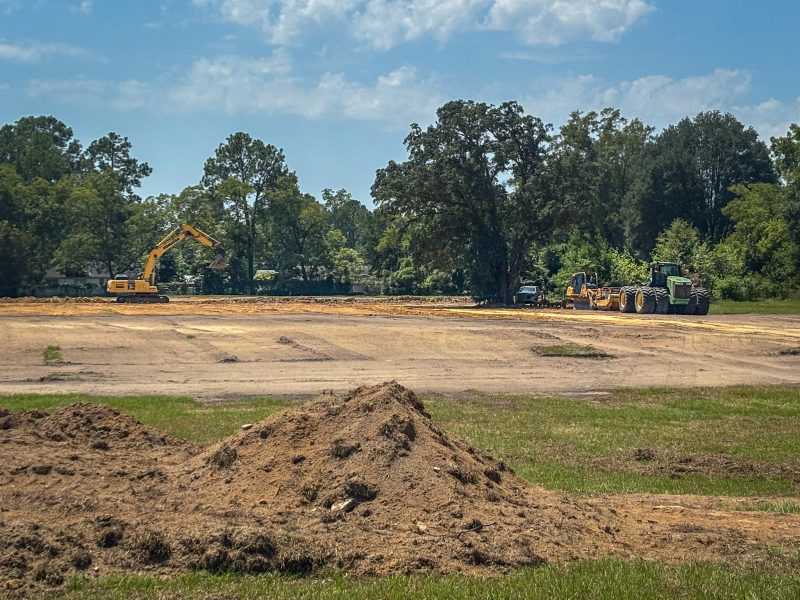
As heavy equipment reshapes land for a long-awaited drainage project in south Albany, Ward 6 Commissioner Diane Brown is pushing the city to make sure the neighborhood gets more than a holding pond.
Albany City Commission hears from residents opposed to group home in residential neighborhood
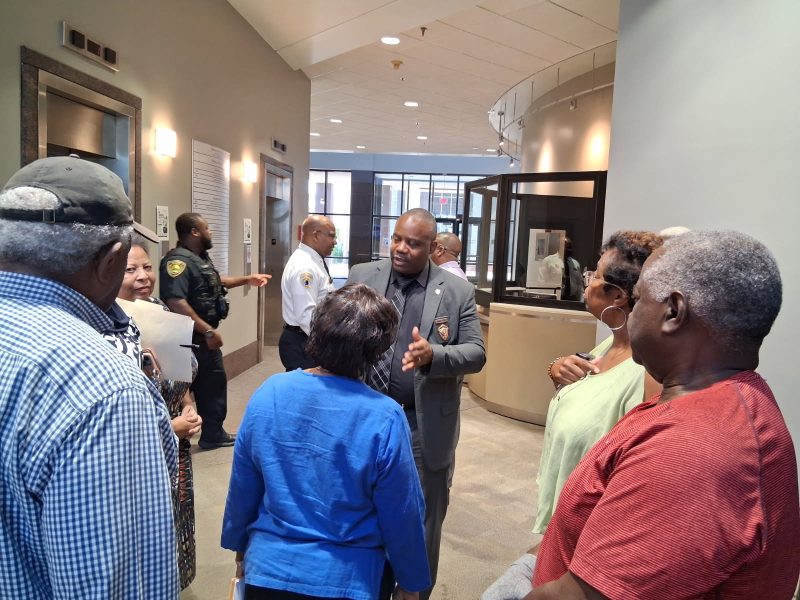
“We are not here to speak bad of the young men that will possibly be coming into our neighborhood,. Our concern is the proposal at this particular property.”
Downtown Albany fire demolishes house built in 1885
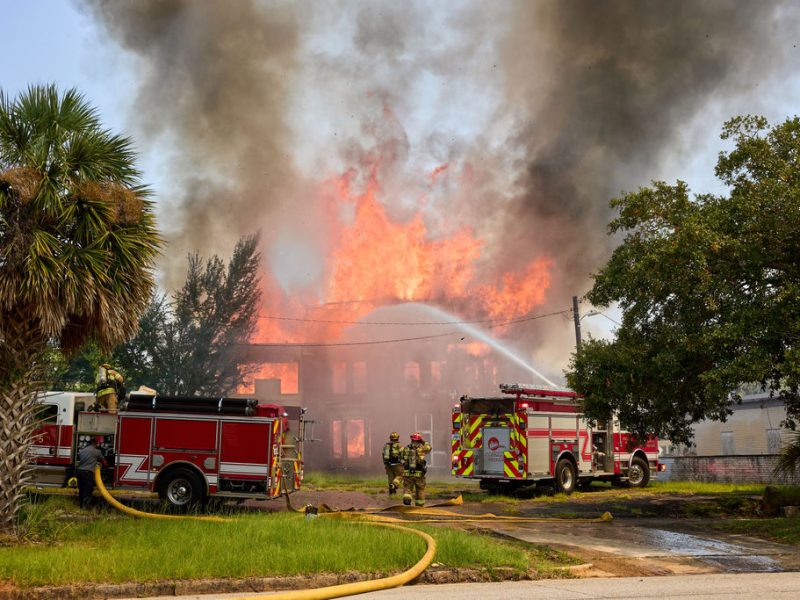
“We certainly have had our share of fires downtown. We look at vacant structures that are burned. You start to really place an emphasis on investigating to determine what happened.”
