
Outdoors activities generate significant tax funding in Georgia
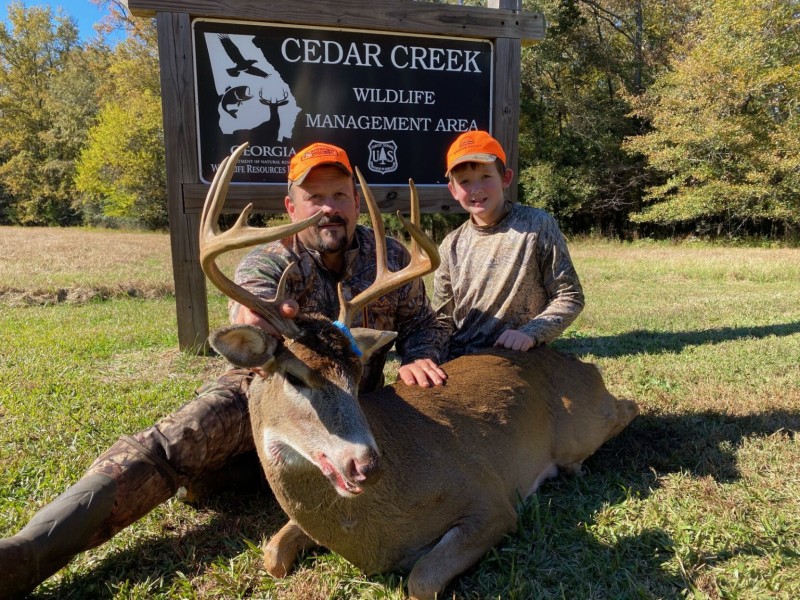
Special Photo: Kelly Seegmueller
By Tom Seegmueller
[email protected]
ALBANY — As hunters take to fields, woodlands and waterways in Georgia this fall, the dollars are rolling in for conservation efforts in the state. Since 1937, the Pittman-Robertson Wildlife Restoration Act has taken the proceeds from an excise tax on firearms, ammunition and archery items and allocated them to grant funding to the states for “wildlife restoration projects.”
The restoration act also required that participating states not be allowed to divert the funds raised by their licenses and permits for any purpose other than the administration of their state wildlife agencies.
Since its inception, PRA has generated more than $20 billion in unadjusted funding toward this goal. The generated revenue breaks down with ammunition generating 30%, firearms 63% and archery equipment generating 7% of total revenue. The latest data indicate that in 2021, the PRA appropriations to Georgia totaled $32,362,250. During the same year, 819,893 hunters purchased licenses in Georgia, generating an additional $20,520,877.
Tina Johannsen, assistant chief of the state Department of Natural resources’ Game Management Section, highlighted the fact that these numbers are just part of the overall impact hunting has on the Georgia economy.
“Hunting in Georgia generates $1.6 billion of direct expenditures in the sate annually,” she noted.
Much of the funding making Georgia Wildlife Management Areas such valuable and accessible resources for Georgia hunters is made possible by PRA funding.
“If you’re just going for a hike in the woods, or are out looking for pollinators or wildflowers, or bird-watching … everyone benefits from the funding that is primarily coming from hunters,” she said.
Johannsen also pointed out that although Georgia, like other Southern states, has a higher percentage of hunters, non-hunters are benefactors of the funds generated. In many ways, non-hunters have more opportunities to use these properties because the state’s hunting seasons take up only about 25% of the calendar year.
Georgians are blessed to live in a state with more than a million acres of public land available, including more than 100 WMA’s, two national forests, nine wildlife refuges, three military bases and other properties. With the state owning more than 10,000 acres of land, the need for funding for management is obviously significant. Although money is a critical component of the management of these properties, so is the ability to have wildlife managers who understand the importance of hunting as a component of a successful wildlife management agency.
Asked her thoughts on the growing trend of biologists and wildlife managers entering the field who do not have a hunting background, Johannsen said, “I’m biased, but I think hunters have a very intimate relationship with the wildlife we want to conserve. When you take on that responsibility of harvesting an animal, that is a very deep connection that you have not only to the land and the resources but to all those people who came before us that depended on hunting for their food.
“So having that ethos in our agency, I think that’s important. You know, I write a lot of reports and crunch a lot of numbers and write regulations and put together the hunting guide. But at the end of the day, I’m doing all that as somebody that hunts.”
Johannsen graduated from the University of Georgia’s Warnell School of Forestry and is an active member of the alumni steering committee.
“We have a vast majority of students who are coming out of the school now that don’t hunt and fish and aren’t exposed to it and don’t have family members that hunt and fish,” she said. “So the school puts a lot of emphasis on the need for these students to understand the role that has been played in conservation to this point and the role it will play moving forward.”
Johannsen said she hopes that other schools are taking the same approach.
“It’s not my goal to make everybody a hunter,” she said. “We don’t have the land base to support that. But my goal is for other people to understand and respect the importance of hunting and hopefully not vote to do away with it as has been done in so many instances in other countries.”
Noting that dog hunting is currently at the heart of some anti-hunting debate in the state, Johannsen said, “It’s getting harder for people to find places to hunt deer with dogs. South Georgia is a special place because we do still have counties there where people can hunt deer with dogs. Preserving that tradition and helping the non-hunting public understand why it’s important is becoming an uphill battle.”
Fortunately for Georgians, the state currently has a wildlife management team that is not only focused on the needs of hunters but also recognizes the key role they play in state conservation efforts.
Author

Related Articles
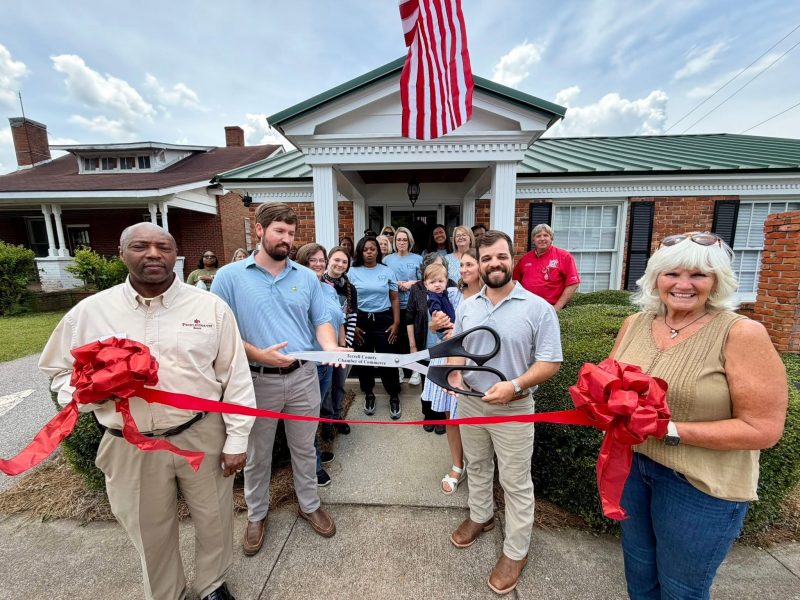
Chamber celebrates new businesses, invites community to Coffee and Connections event
The Terrell County Chamber of Commerce is continuing its efforts to strengthen local business relationships through community celebrations and networking opportunities, recently recognizing two new businesses with ribbon-cutting ceremonies and announcing its next “Coffee & Connections” event in Sasser.
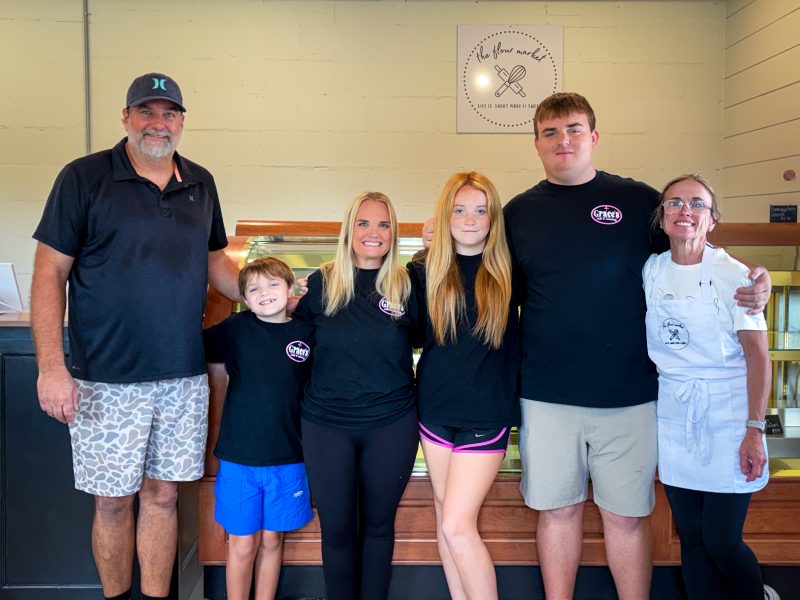
Regional catering business finds new home at Warrior Creek Mercantile
For months, Marchbanks said she had been asking God for an opportunity to serve others. “I just kept praying, ‘God, use me as a servant,'” she recalled. “I didn’t care what it was. I just wanted to be used to help people.”
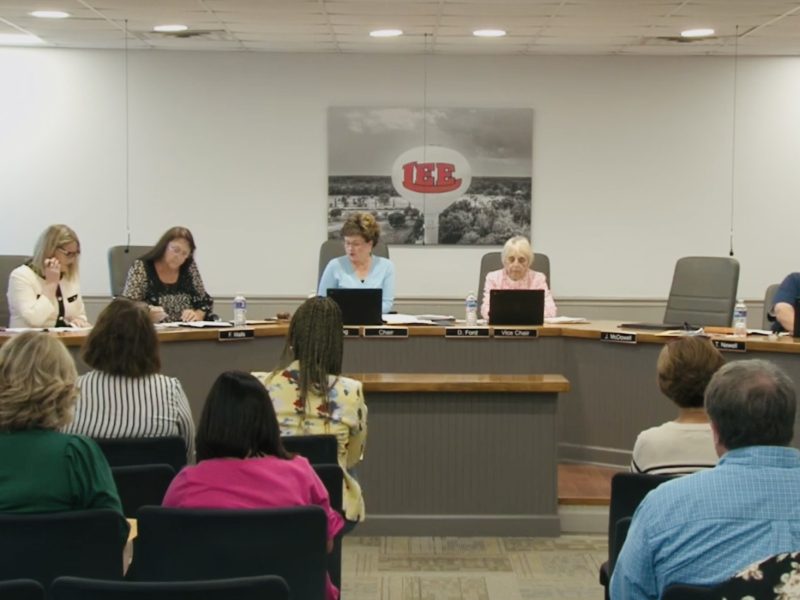
Houston, Ford advance in contentious Lee County school board race
According to unofficial election results, challenger George Parrish Houston led the three-candidate field with 534 votes, or 42%, followed by incumbent Donna Ford with 478 votes, or 37.6%. Candidate Lavendra Shootes received 261 votes, or 20.5%.
