
Branding is Everything: The Pinnacle of Business Success
Abstract
Branding has evolved beyond mere symbols and slogans to become a cornerstone of business success in the contemporary marketplace. This research delves into the transformative role of branding, tracing its historical evolution and highlighting its increasing importance in today’s digital and globalized era. By examining case studies, market analyses, and empirical data, this article underscores how branding is not just a representation but a deep-seated connection between businesses and their stakeholders. From giants like Coca-Cola to the responsive strategies of modern brands like Tesla, the research showcases how effective branding transcends product offerings and shapes perceptions, fostering trust, loyalty, and lasting emotional resonance. In the face of increasing market saturation and rapidly changing consumer behavior, branding emerges as the defining factor that differentiates success from obscurity.
Introduction
In a saturated market where products and services often possess marginal differences in quality and price, branding has emerged as a primary differentiator. Today’s consumers, empowered by technology and a plethora of choices, often align themselves with brands that resonate with their values, aspirations, and identity.
Beyond mere logos or catchy slogans, modern branding has evolved into a sophisticated art and science of creating deep-seated perceptions in the minds of consumers. A brand encapsulates an entity’s essence, weaving together narratives that instill trust, foster loyalty, and stimulate emotional responses. As consumers navigate a cacophony of advertisements, social media feeds, and peer reviews, they often find solace in familiar brands that communicate consistent and clear values, thus simplifying their decision-making process.
The rise of the digital age has further accentuated the importance of branding. With just a click or swipe, consumers can now access a wealth of information about any product or service. In such an environment, the first impression is often the lasting impression. Brands that can effectively communicate their value proposition in these fleeting moments stand to gain immensely. Moreover, digital platforms have democratized branding, allowing even smaller entities with limited resources to carve out strong brand identities.
However, it’s crucial to understand that branding’s impact extends beyond the immediate consumer perception. In this age of globalization and interconnected markets, a brand represents a business’s face to the world, influencing stakeholders ranging from investors and employees to partners and regulators. In essence, it becomes a compass that guides marketing strategies and overall business decisions, shaping the company’s culture, ethos, and future direction.
As we delve deeper into this article, we will uncover how various successful companies have harnessed the power of branding, explore the elements that constitute a potent brand, and provide insights into leveraging branding as the linchpin for sustained business success in today’s dynamic marketplace.
Historical Perspective
In the early days, branding was quite literal. Artisans and craftsmen would mark their products with a signature or emblem, ensuring that anyone who saw the item knew its maker. Cattle were branded with hot irons to signify ownership, a practice from which the term ‘branding’ actually derives. These initial branding practices were purely functional, a means to claim ownership and differentiate one’s goods from another’s in bustling marketplaces.
As trade routes expanded and markets grew more complex with the advent of industrialization, the necessity for more sophisticated branding became evident. Companies needed ways not only to mark their products but also to create recognition and trust amongst a widening consumer base. The late 19th and early 20th centuries saw the rise of packaged goods and with it, the emergence of logos and trademarks. Products like Coca-Cola, with its distinct script, became instantly recognizable, setting the stage for modern branding.
The mid to late 20th century ushered in the era of television and mass media. Brands now had the opportunity to craft stories and personas on an unprecedented scale. Advertisements were no longer just about showcasing a product’s features but about creating an emotional narrative that consumers could relate to. Nike wasn’t just selling shoes; it was selling aspiration. McDonald’s wasn’t just about fast food; it was about family and togetherness.
As we transitioned into the 21st century, the rise of the internet and digital technology redefined branding once again. With consumers being bombarded by countless brand messages every day, companies had to find ways to stand out. Enter experiential branding, where brands shifted focus from products to experiences. Apple’s minimalist stores, Starbucks’ cozy coffee corners, and IKEA’s maze-like showrooms all encapsulate this shift. These brands created immersive worlds where consumers could feel, touch, and engage with the brand’s ethos directly.
Moreover, the digital age gave birth to personal branding. With platforms like LinkedIn, Twitter, and Instagram, individuals started curating their online personas, crafting a narrative about who they are, what they stand for, and what they bring to the table. This phenomenon underscored branding’s ubiquity, from global corporations to individual professionals.
In summary, branding’s evolution, from rudimentary stamps of ownership to intricate tapestries of stories and experiences, showcases its ever-growing significance in the business world. As the lines between products blur in today’s globalized markets, branding stands as the bastion differentiating success from obscurity.
The Power of Emotional Connection
Brands like Apple, Nike, and Starbucks have transcended their product offerings to establish an emotional rapport with their audience. Their success isn’t solely attributed to the quality of their products but the emotional resonance they’ve cultivated. For instance, Apple is not just about innovative technology; it’s about challenging the status quo and thinking differently.
The emotional connection a brand creates is often the intangible force that drives consumer loyalty. The strongest brands tap into the psyche of their audience, aligning their brand narratives with the aspirations, desires, and values of their consumers. When customers identify with a brand’s values or the lifestyle it promotes, they’re not just buying a product; they’re buying into an identity.
Nike’s “Just Do It” campaign is a prime example of this emotional branding. It doesn’t focus on the shoes’ technical specifications or their superior design. Instead, it touches on perseverance, determination, and the spirit of achievement. Every time a consumer wears Nike, they’re not just wearing a shoe; they’re wearing an attitude, a belief that they can overcome challenges.
Starbucks, on the other hand, has positioned itself as the “third place” – a space between work and home. They don’t just sell coffee; they sell an experience, a sense of community. When you walk into a Starbucks, you’re buying more than a beverage; you’re buying a feeling of belonging, a moment of relaxation, or perhaps a sense of routine and familiarity in a foreign city.
Moreover, the emotional connection a brand cultivates often leads to higher customer retention and advocacy. A customer emotionally invested in a brand is more likely to return, less sensitive to price fluctuations, and more likely to recommend the brand to others. This emotional bond often acts as a buffer against negative publicity or occasional product mishaps. Because the relationship is rooted in shared values and trust, minor setbacks do not easily sway loyal customers.
Furthermore, in our current digital age, where word-of-mouth can spread rapidly through social media, having a strong emotional bond with your audience can turn customers into brand ambassadors. They don’t just use the product; they celebrate it, defend it, and share their positive experiences with their network, amplifying the brand’s reach and credibility.
In essence, the brands that recognize and prioritize the emotional facets of their identity understand a fundamental truth: People don’t just buy products; they buy feelings, stories, and experiences. As consumers become increasingly discerning and skeptical of overt advertising, it’s the brands that foster genuine emotional connections that will stand the test of time.
Brand Loyalty & Trust
Trust has become a paramount commodity for businesses in a digital age where news travels fast. A strong brand often serves as a seal of trust. Companies that invest in building and maintaining their brand reputation are more likely to weather crises, maintain customer loyalty, and even command premium pricing.
Trust is the bedrock upon which lasting relationships between brands and consumers are built. It’s a multifaceted construct, rooted in a brand’s consistency, authenticity, transparency, and its ability to deliver on promises.
Firstly, consistency is crucial. Brands like Coca-Cola, McDonald’s, and Amazon have thrived because customers know what to expect every time they interact with these brands, regardless of where they are in the world. This consistency, over time, reinforces a sense of reliability.
Authenticity, too, plays a pivotal role in fostering trust. In today’s era of heightened social consciousness, brands that project genuine commitment to causes, rather than just riding the wave of the latest trend, resonate more deeply with their audiences. For instance, Patagonia’s dedication to environmental sustainability isn’t just a marketing angle; it’s an integral part of their brand DNA, which has endeared them to a loyal customer base.
Transparency is another cornerstone of brand trust, especially in the age of information. Brands that are open about their processes, supply chains, and business practices foster a deeper connection with their audience. When consumers feel they’re being given an honest look ‘behind the scenes’, it engenders a sense of respect and trust. For example, Everlane’s radical transparency approach, where they disclose the true cost of their products and the factories where they’re made, sets them apart in the fashion industry and builds a bond of trust with their consumers.
Delivering on promises is perhaps the most straightforward, yet most crucial, aspect of building trust. A brand can craft the most compelling narratives, but if it fails to meet or exceed customer expectations consistently, trust erodes. Brands like Toyota and Samsung have built their reputations by ensuring that their products consistently match or surpass advertised qualities and features.
Beyond these facets, trust is solidified when brands handle mishaps with grace and accountability. No brand is immune to mistakes, but how they respond to these errors often shapes public perception more than the error itself. A brand that acknowledges its mistakes, rectifies them, and ensures they don’t recur, demonstrates responsibility and integrity.
In the long run, the trust that a brand cultivates can translate into tangible business benefits. Loyal customers are less likely to be swayed by competitors, more forgiving of occasional lapses, and often act as organic brand promoters. Moreover, the trust capital that a brand accumulates can be its most valuable asset, especially when venturing into new markets or launching new products.
Branding & Financial Performance
Numerous studies indicate a strong correlation between effective branding and business financial performance. Brands with high equity enjoy advantages like enhanced market share, the ability to command higher prices, and increased shareholder returns.
Strong brand equity is more than just a marketing advantage; it holds tangible financial benefits that can significantly impact a company’s bottom line. For instance, well-established brands, such as Apple, can set higher prices for their products not solely based on their technical attributes, but due to the perceived prestige of ownership, leading to enhanced profit margins. Such profitability can further be reinvested in innovation, forming a beneficial cycle of growth and brand reinforcement.
Moreover, recognizable brands tend to dominate market shares. In the face of abundant choices, consumers often lean towards brands they know and trust, minimizing their perceived risks. This familiarity and trust mean that once customers have a satisfactory encounter with a brand, they tend to stick with it, ensuring a steady revenue stream and shielding the company from competitors.
Even in challenging times, like economic recessions or company-specific crises, brands with robust equity are better positioned to weather the storm. Their accrued trust can act as a buffer against negative press. A notable example is Johnson & Johnson’s adept handling of the 1982 Tylenol tampering crisis, where their transparent approach not only averted potential brand damage but actually bolstered their reputation.
On the human resources front, a brand’s strength can serve as a magnet for top talent. Renowned companies, such as Google and Tesla, are not only recognized for their products but are also seen as desirable places to work, attracting the best in the industry. This influx of talent can catalyze innovation, streamline operations, and enhance customer relations, leading to financial gains.
From an investment perspective, data suggests that companies boasting strong brands yield better returns for shareholders. Studies, like those from Interbrand, have indicated that globally recognized brands consistently outperform financial market benchmarks. Such brands are often viewed by investors as more dependable, leading to increased stock valuations and dividends.
Lastly, when companies aspire to diversify or penetrate new markets, a powerful brand can be their ace card. Take the Virgin Group, for example, which leveraged its brand reputation to transition seamlessly from music to industries as diverse as airlines and space exploration. Their established brand identity eased their introduction and rapid acceptance in these distinct sectors.
Case Study: Coca-Cola’s Branding Mastery
Coca-Cola stands as a testament to the transformative power of branding. In a competitive beverage landscape, it has managed to position itself in a league of its own, thanks to its unmistakable red and white logo, unique bottle design, and messages that evoke feelings of unity and joy. What sets Coca-Cola apart isn’t just its signature taste, but the cohesive branding that promotes cultural inclusivity while maintaining a global appeal.
The brand’s origins trace back to 1886 when Dr. John Pemberton introduced a unique soft drink in Atlanta’s soda fountains. The brand identity began taking shape when Frank Robinson, Pemberton’s bookkeeper, not only coined the name “Coca-Cola” but also crafted the iconic cursive logo. From the outset, Coca-Cola highlighted its refreshing qualities and unmatched flavor. As the years passed, it expanded its horizons worldwide, deftly tweaking its messaging to resonate with various cultures but always preserving its core brand essence. Memorable slogans like “It’s the Real Thing” and “Taste the Feeling” further underscored the brand’s authenticity and focus on shared human experiences.
Central to Coca-Cola’s branding strategy is its ability to forge emotional bonds. More than a drink, it symbolizes moments of togetherness, celebration, and global harmony. This sentiment was perfectly captured in their 1971 “Hilltop” commercial, with the song “I’d Like to Buy the World a Coke” conveying a message of global unity. Moreover, Coca-Cola’s knack for aligning itself with significant cultural events, whether it be sponsoring mega events like the Olympics or crafting unforgettable Super Bowl ads, has ingrained the brand into the collective global consciousness.
Coca-Cola’s vast global footprint hasn’t deterred it from acknowledging local nuances. The company astutely adapts to regional tastes, introducing beverages like India’s Thums Up or Peru’s Inca Kola, proving that a global brand can still hold local relevance.
However, the road hasn’t always been smooth. As health consciousness surged and sugar became a villain, Coca-Cola encountered backlash. But true to its brand resilience, it pivoted, diversifying into low-calorie variants like Diet Coke and Coca-Cola Zero Sugar, and offering smaller packages to align with health-conscious consumer choices.
In essence, Coca-Cola’s branding triumph isn’t just about a consistent product; it’s about the deep emotional ties it nurtures with its audience. Its ability to evolve while staying true to its core, its respect for local cultures, and its seamless weave into global events make it an exemplary brand. The journey of Coca-Cola offers invaluable insights for any enterprise aspiring for enduring global resonance. Coca-Cola’s brand strength lies not just in its consistent quality or distinctive taste but in the emotional connection it establishes with consumers. Its adaptability to changing market dynamics, understanding of local cultures, and ability to integrate itself into global cultural moments have solidified its position as a branding behemoth. The Coca-Cola story is a testament to the power of branding and offers invaluable lessons to businesses aiming for lasting global impact.
The Digital Age & Branding
In the era of social media, the traditional branding playbook has been rewritten. Platforms like Facebook, Instagram, and Twitter offer businesses a direct line to their consumers, opening avenues for engagement previously unimaginable. Tesla, for instance, has harnessed this opportunity, sidelining conventional advertising in favor of fostering a fervent online community that champions its brand.
These digital platforms have leveled the playing field, enabling even fledgling businesses to cast a vast net, shaping global perceptions from the get-go. But this isn’t just about reach; it’s about depth. Brands can weave sophisticated narratives, offering a multisensory experience through interactive and visual content. Yet, this immediacy is a double-edged sword. The instantaneous nature of online feedback means brands are under the microscope, with every move dissected in real-time. A brand’s authenticity has never been more vital, as any inconsistency can snowball into a PR crisis overnight.
Adding another layer to this complex landscape is the meteoric rise of social media influencers. Their authenticity and vast audiences make them invaluable brand partners, providing targeted access to specific demographics. But it’s not without its pitfalls. Brands need to exercise due diligence, ensuring that the influencers they collaborate with echo their ethos; otherwise, the repercussions can be detrimental.
The digital domain also provides a goldmine of data, offering brands unprecedented insights into consumer behavior. With this data in hand, brands can craft hyper-personalized experiences, resonating more deeply and driving brand loyalty. But it’s not just about responding to consumer signals; it’s about anticipating them. The ephemeral nature of online trends requires brands to be nimble, integrating current memes or challenges to stay relevant. Brands like Wendy’s, known for their cheeky Twitter persona, or those jumping on the TikTok bandwagon, exemplify the need for brands to have their fingers on the pulse of the digital zeitgeist.
Conclusion
Branding, as illustrated throughout this research article, is the lifeblood of modern business. It has evolved from mere symbols and emblems to a comprehensive representation of a company’s ethos, values, and promises. As the business landscape becomes increasingly saturated, and consumers are flooded with choices, branding emerges as the beacon guiding them. It’s not just about recognizability; it’s about connection, trust, and emotional resonance.
In today’s digital age, branding carries even greater weight. It bridges the gap between businesses and their stakeholders, serving as both a shield and a magnet. It defends against fleeting market trends and crises, and it attracts loyal customers, top-tier talent, and investments. As seen with giants like Coca-Cola and Nike, and the responsiveness of brands like Tesla in the social media era, effective branding transcends the product or service. It shapes perceptions, fosters relationships, and, most critically, drives business success.
The historical trajectory of branding, from its rudimentary beginnings to its current intricate weave of stories and experiences, underscores its significance. Moreover, the emotional bonds brands forge today have become their most valuable assets. These connections amplify their reach, shield them during turbulent times, and ensure a consistent stream of loyalty.
In conclusion, branding is not merely a facet of business; it is the very essence of it. It is the compass guiding businesses in their strategic endeavors and the anchor grounding them in the tumultuous seas of the global market. In this era, where differentiation is paramount, and authentic connections are sought after, branding isn’t just a business strategy; it’s the pinnacle of business success.
Related Articles

Regional catering business finds new home at Warrior Creek Mercantile
For months, Marchbanks said she had been asking God for an opportunity to serve others. “I just kept praying, ‘God, use me as a servant,'” she recalled. “I didn’t care what it was. I just wanted to be used to help people.”
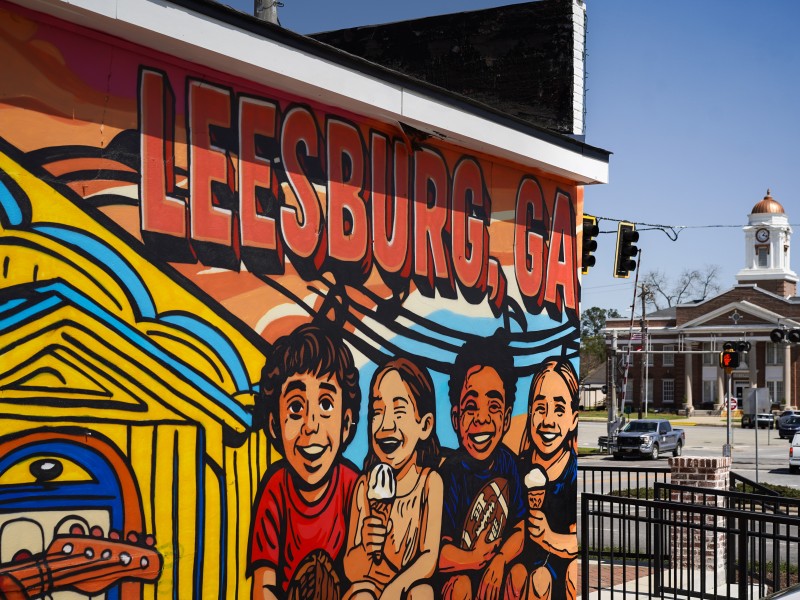
Leesburg business reflects growing trend toward multi-use downtown spaces
Beyond the pristinely curated lunch spot, owner Sheri Smith has created a small hub of health and wellness services, retail and local partnerships — an example of the type of multi-use business model many small communities are increasingly embracing as they reinvest in historic downtown properties.

Busy businesswoman Erica Henderson is work ethic personified
Businesswoman/mom Erica Henderson manages three jobs simultaneously … and does so remarkably well, thank you.

