
Watchman offers long-term solution for high-risk stroke, bleeding patients
Watchman is meant to be an alternative to a lifelong use of warfarin for people with atrial fibrillation not caused by a heart valve problem
Staff Photo: Jennifer Parks
Staff Photo: Jennifer Parks
Special Photo
Special Photo
Special Photo
Special Photo
By Jennifer Parks
[email protected]
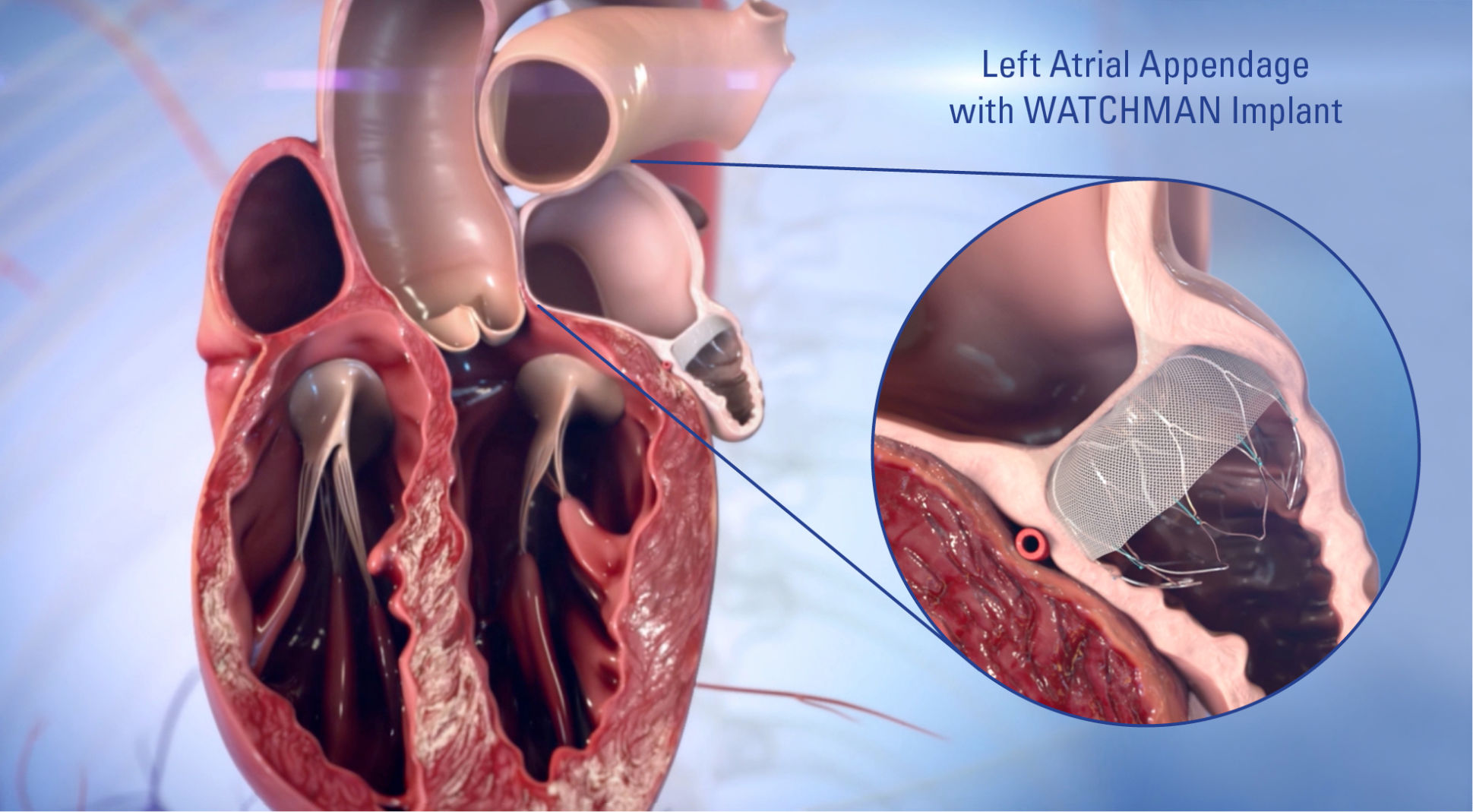
ALBANY — In more than 90% of patients with non-valvular atrial fibrillation, stroke-causing clots coming from the left atrium form in the left atrial appendage.
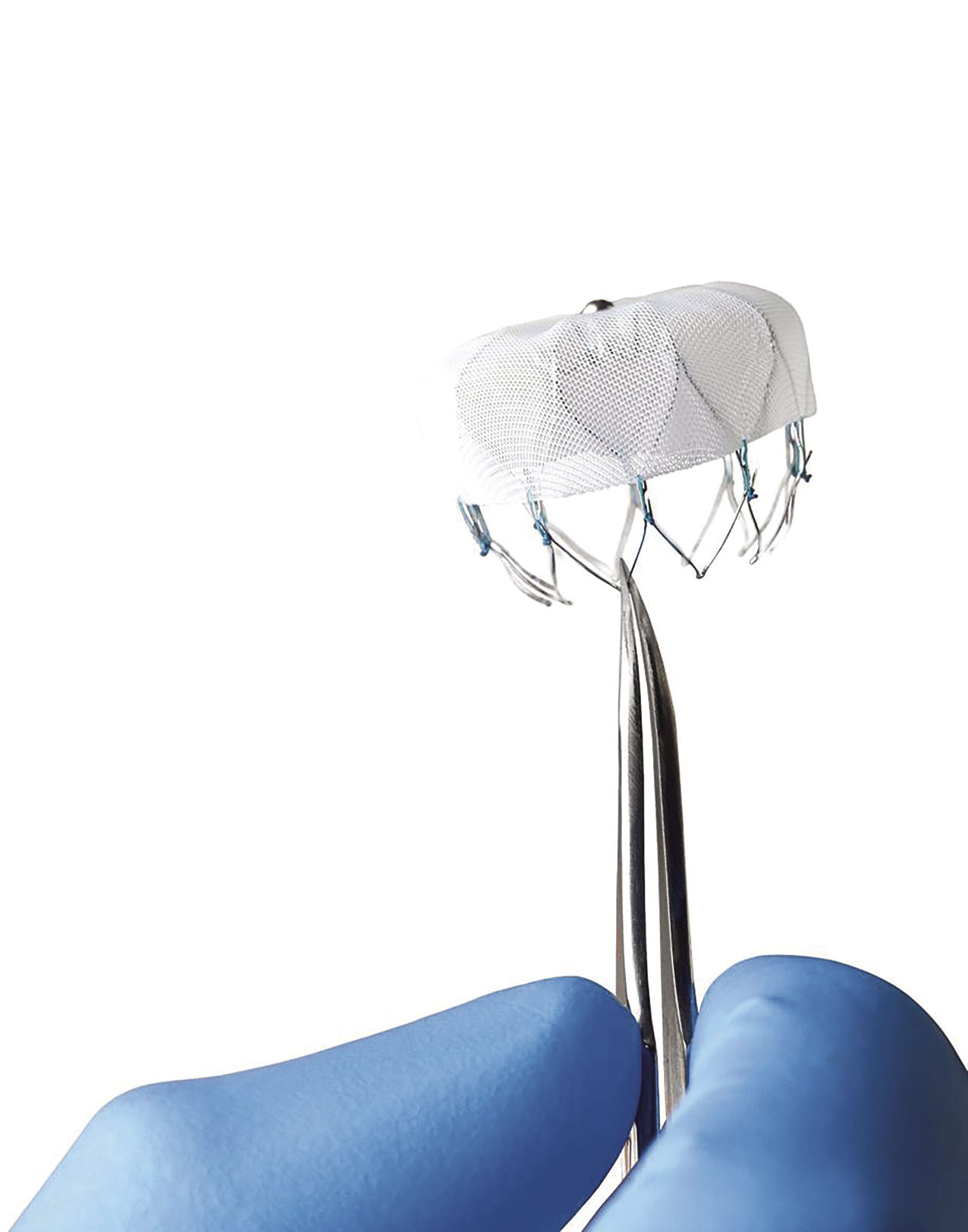
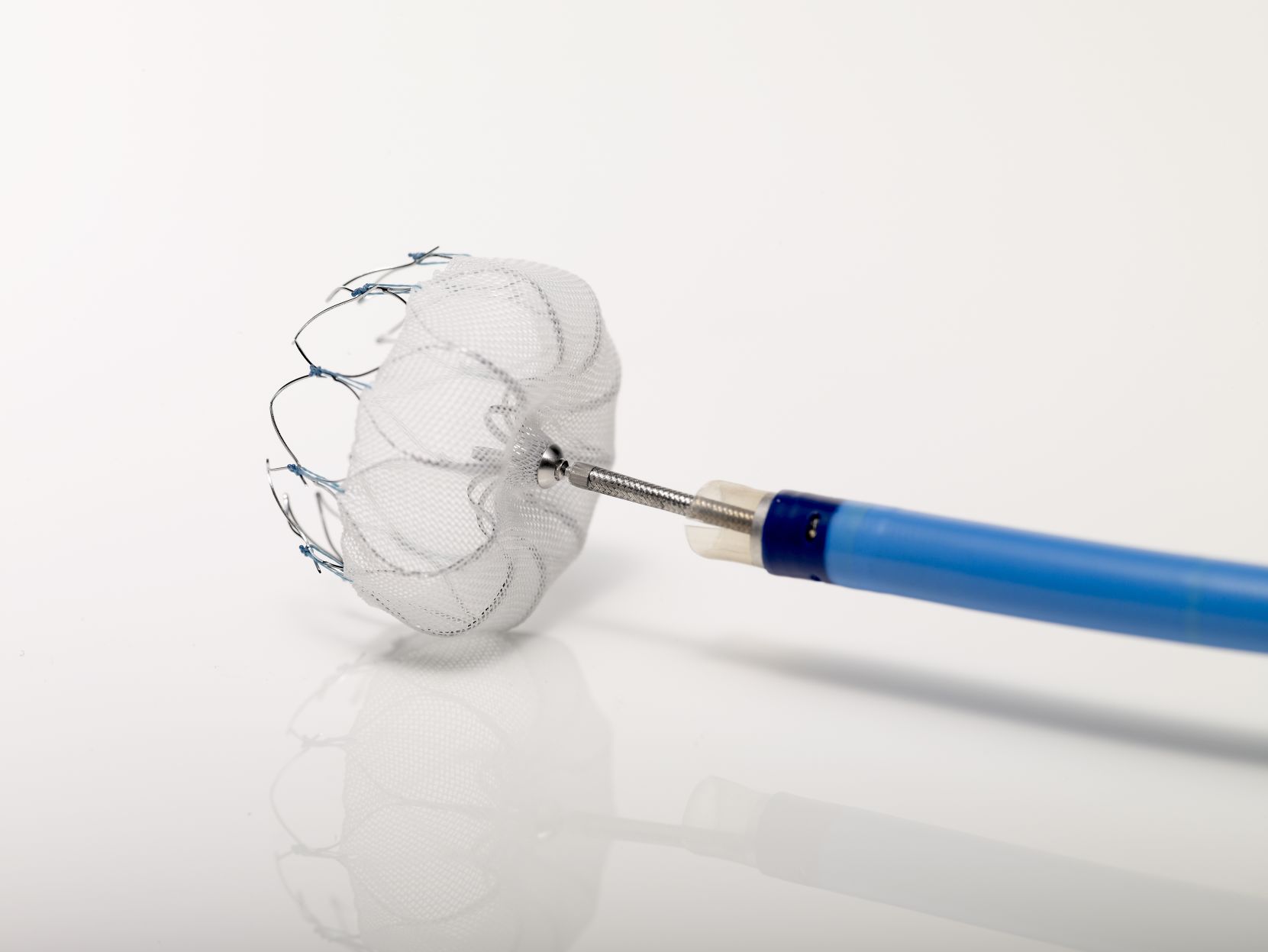
For those with a high risk of bleeding and stroke, a device known as Watchman — shaped similar to a parachute — closes off the left atrial appendage so that blood clots cannot migrate out of it. Performed under general anesthesia in a catheterization laboratory, it takes about an hour and patients go home after a day in the hospital.
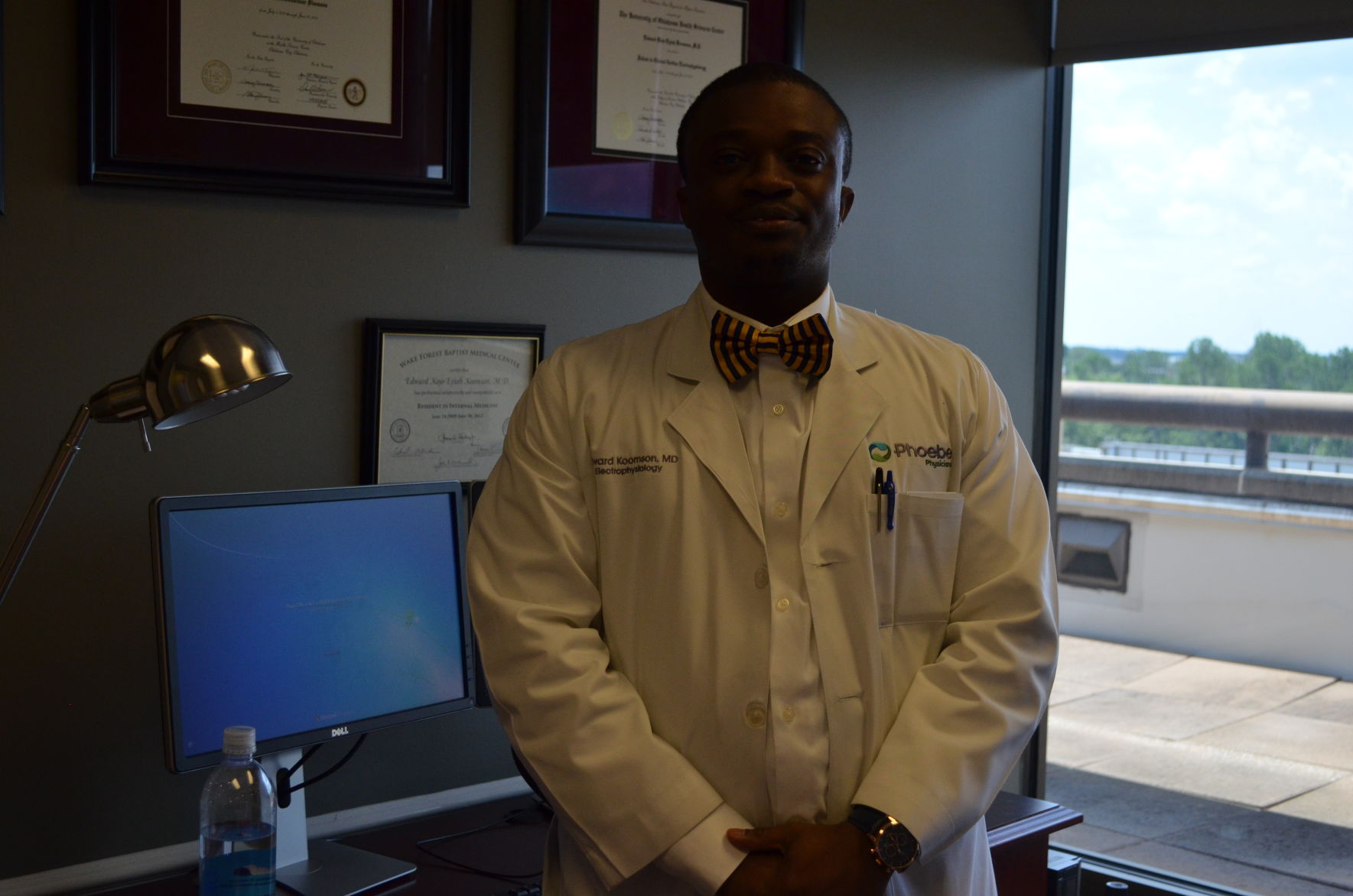
One of the hospitals accommodating the Watchman technology is Phoebe Putney Memorial Hospital. A physician with Phoebe Electrophysiology, Dr. Edward Koomson, is among those who performs the procedure.
“The main goal is to decrease the overall stroke risk,” Koomson said.
Afterward, patients typically take warfarin and aspirin for 45 days or until there is an adequate seal. Once they are off warfarin, patients take clopidogrel and an increased dose of aspirin — followed by ongoing aspirin therapy.
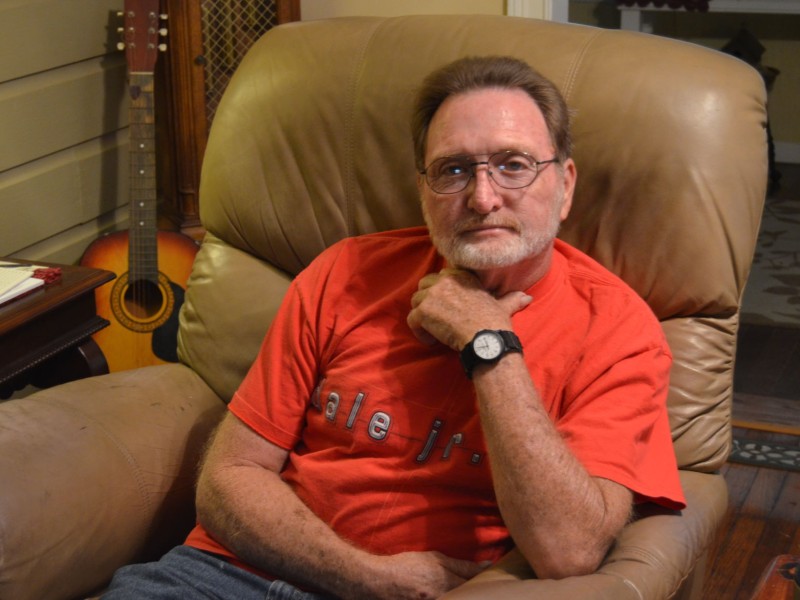
Dewey “Jerome” Buckhalter, a retiree in the Albany area who does part-time construction, had the procedure done at Phoebe in April. He had been on blood thinners for years and has a history of diabetes, early-stage breast cancer, shoulder surgery and coronary artery disease that has been treated with triple bypass surgery.
“They said I was a prime candidate,” Buckhalter said.
He said he spent one night in the hospital and was discharged the next day and has not had any problems since. In addition to an improved quality of life, Buckhalter said he is looking forward to an improved long-term impact on his pocketbook.
One medication, which he has been able to come off of since the surgery, had an outright pricetag of $425 a month.
“I don’t have to worry about blood clots and strokes,” Buckhalter said. “I don’t feel any different. It is like having a stent.
“I had the surgery (in the middle of the week) and resumed normal activity the following Monday.”
The Watchman procedure offers an alternative to a lifelong use of warfarin for people with atrial fibrillation not caused by a heart valve problem. The use of warfarin, while helping to prevent blood clots that cause strokes, means bleeding is a serious concern, as is the need for monthly blood screenings and a diet with no dark green leafy vegetables.
“Financially, (the Watchman) will help a lot,” Buckhalter said. “Every medication has a side effect to it. It gives you a peace of mind not having to worry about side effects.
“With the Watchman, I don’t have to worry about blood clots that may form.”
His triple bypass came about after medication failed to open severe blockages. He missed almost three months of work.
“It wiped me out,” Buckhalter said. “For the first three days after the surgery, I didn’t know I was in this world. I had afib, and they had to shock me to get me back into rhythm.
“That was one of the contributing factors of (me having the Watchman) because afib will cause you to have a stroke.”
By his fourth week after Watchman, Buckhalter said everything had healed up and he has an appointment coming up to check on it again — with at least one more follow-up appointment planned after that.
He will be 65 in November and leads an active lifestyle. While not doing construction work, he said he likes to spend time hunting and fishing.
“I am not one to just sit down in (a) chair,” Buckhalter said. “I have to get out and around. I enjoy being outside. I’ll stop when I am six feet under. I am not quitting anytime soon.”
Implantation of the Watchman device does not require open-heart surgery, but rather a catheter going through the femoral vein to the right side of the heart, and then to the left side and into the appendage before it is deployed.
“Think of it as similar to (what) people who have stents (go through),” Koomson said.
Watchman does not need to be replaced. After six months, patients are only on aspirin and remain on the medication if imaging confirms that the device is secure.
At Phoebe, around 20 patients have had the procedure over the last three months. The average patient age has been in the mid-70s, the oldest 87.
“All but one patient (with complications unrelated to the procedure) have gone home the next day,” Koomson said. “The overall outcomes have been good.
“Ideally (a candidate) is someone with a high risk of stroke. The best candidate is someone who has already bled. (The Watchman) decreases bleeding and risk of stroke. The device is an alternative (to medication).”
The physician said the device was brought to Phoebe when it became apparent an alternative was needed to serve these patients — specifically something that might decrease the risk of stroke without the use of blood thinners that was as effective as being on typically prescribed medication.
Even a small bleed, he said, can have a long-term impact.
“In our area, we live in the stroke belt,” Koomson said. “There is a high stroke burden. A patient may be given blood thinners and bleed in bed, so they are taken off blood thinners and have a stroke.
“We want to decrease the risk of stroke but don’t want (patients) to bleed, so we started looking for an alternative.”
Boston Scientific, the company that manufacturers the device, said Watchman has been implanted in more than 70,000 patients and reviewed in more than 10 clinical studies. It has a 1.5% major complication rate, comes in five sizes and results in a 95% reduction in disabling and fatal strokes.
“So far, patients (at Phoebe) have done quite well,” Koomson said. “The next day, they are up and going. There is no straining for one week, but that is generally it.”
Those with a history of bleeding, at high-risk for bleeding, non-compliance on medications, a lifestyle or occupation for which anticoagulation is inappropriate and other medical needs that make using warfarin unsuitable are among the patients considered the best Watchman candidates.
Watchman is covered by Medicare, Medicaid as well as several commercial insurers. The average total out-of-pocket costs at the five-year mark are 53% less than warfarin, Boston Scientific said.
Within 100 miles of Albany, Tallahassee Memorial Hospital and Medical Center of Central Georgia of Macon also provide the device to patients who qualify.
For more information on the device, information on patient eligibility, clinical trial results, referrals and implant centers, visit www.watchman.com.

Related Articles
Albany Herald – June 13, 2026
ATC student earns bronze medal at National SkillsUSA competition… Albany Commission eyes another draft at downtown brewery… PUBLIC OPPOSITION SINKS PROPOSED LEE COUNTY SOLAR FARM…

Classifieds – June 13, 2026
Moving Sale: Sat June 13th, 8am-12pm. 265 Brenda Lane, Albany. Large Variety of Items.
Tenants in Albany apartments face eviction
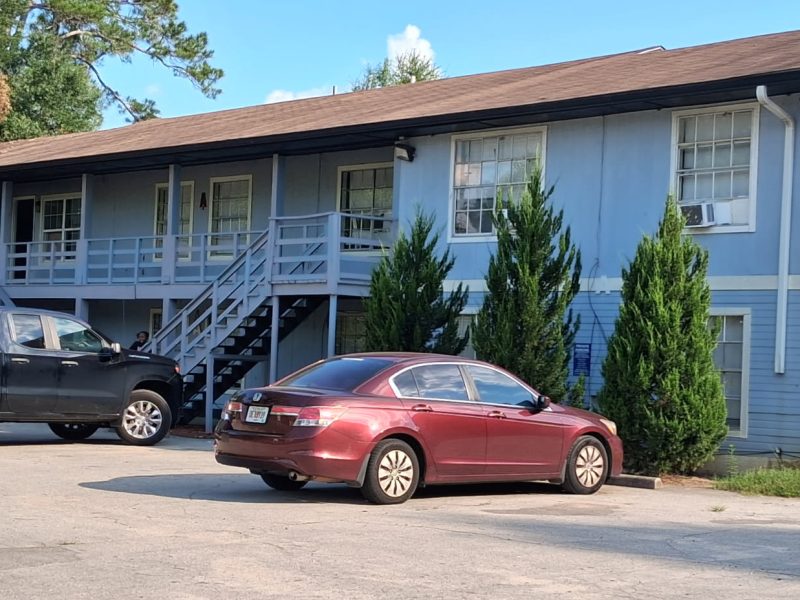
Residents at Cornerstone apartments, located at 608 Moultrie Road, said that eviction notices were placed on the doors of all of the units this week, giving them three days to pay two months’ rent or face being removed in three days. Tenants said they were confused to whom rent should be paid and are frustrated by the living conditions at the complex that is more than 50 years old.

