
Country star Jo Dee Messina’s tour brings her to Tifton venue
Country music star Jo Dee Messina played a huge role in literally changing the face of the genre in the 1990s
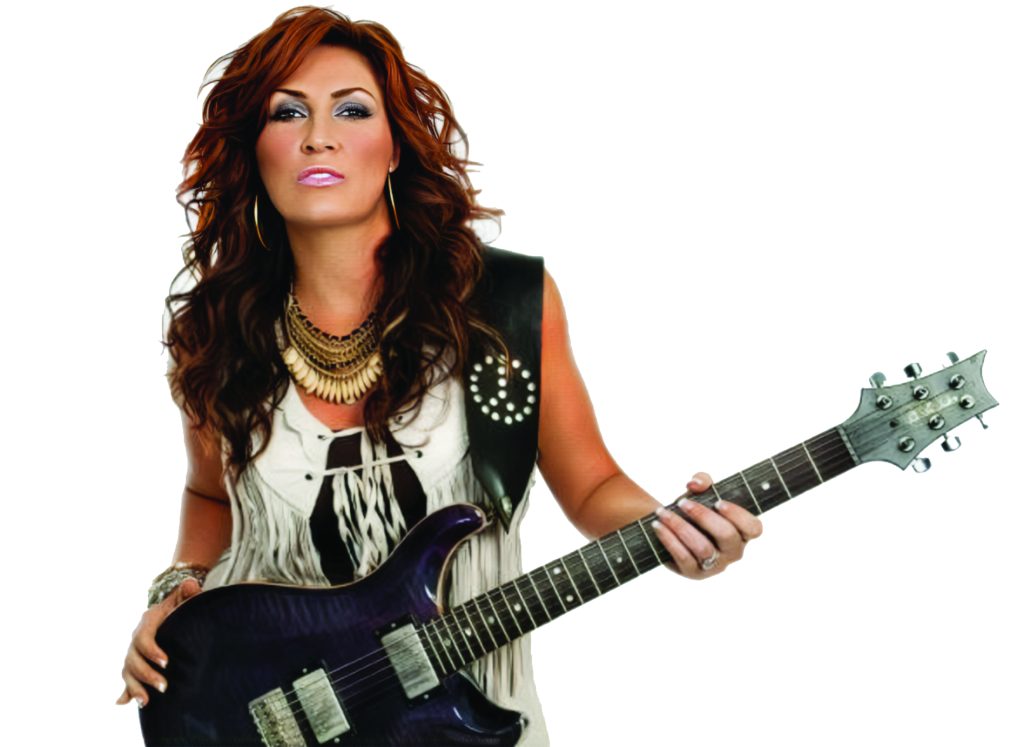
NASHVILLE, Tenn. – Country music star Jo Dee Messina played a huge role in literally changing the face of the genre in the 1990s.
She, and a few guys from this part of the world, took over country radio with a new, more pop-friendly brand of country that appealed to the music’s devotees and to Southern rock and pop fans who were disillusioned with their brand of music.
Struggling to make her way in Music City, the Massachusetts native took over radio with her massive – and first No. 1 – hit “Heads Carolina, Tails California.” What followed was a string of hits that kept Messina on the country charts (nine No. 1s, 16 Top 40s), propelled her albums to chart-topping heights (two platinum, three gold), and earned her the entire alphabet of country music awards: ACM, CMA, AMA … oh, and Billboard and Grammy recognition to go with it.
As the brilliant nova of her career faded somewhat after the turn of the century, Messina remained true to her muse, taking her talents to independent labels and even writing and performing gospel songs that spoke to where she was in her life.
“That was Jesus,” the singer said. “When you have a personal relationship with Christ, you can’t help but share that.”
Messina, who has embarked on a tour that included a recent sold-out performance at the historic Ryman Auditorium in Nashville, will bring her tour to Tifton at the University of Georgia Tifton Campus’ John Hunt Auditorium Feb. 26. She took a few minutes to talk with The Albany Herald about her career.
ALBANY HERALD: I’ve been told your time is short, so we’ll jump right into this: I find your career intriguing, and I have to ask: How did a girl from up in Massachusetts get into country music?
JO DEE MESSINA: When I was in school, that’s what was all over the radio. I heard it and fell in love with it. It’s the music that talked about my life, about what I was going through.
AH: Careers can change dramatically. You were scuffling, trying to make it in Nashville, and all of a sudden you were the queen of country. What was that time like for you?
JDM: It’s all been such a whirl, I can’t remember a lot of what went on during that time. I came to Nashville and had a lot of doors slammed in my face. I built resilience from that rejection. Once things started to change for me, things just took off and I kept going.
AH: Yes, in the ’90s, with “Heads Carolina” taking off, suddenly you were everywhere. How did that change your life?
JDM: It didn’t, really. I just kept doing what I’d always been doing. I was just happy that people were listening to and singing my songs.
AH: Do you remember the first time you heard one of your songs on the radio, and was it a big deal?
JDM: I was in Tampa, Fla., when “Heads Carolina” came on the radio on a Florida station. I was thrilled. I called my mom, and we sang along to the song on the radio. And, actually, it’s still a thrill for me to hear one of my songs on the radio.
AH: When music changes, many artists try to chase the changes, start writing and singing to fit what’s getting played on the radio. You’ve seen those kinds of changes. Do you go about writing differently and searching for songs to fit the “new” music?
JDM: I have a new album that’s about to come out, and the first single will be released in March. When I got ready to work on it, I sat down and wrote records like I always have; I write from the idea that this (song) is about me. There’s some pop-ish country, some Blues country on the album. I wasn’t looking to fit anyone’s form; I wrote what I knew. I just wrote the songs that were in me.
AH: You’ve performed and written music with a lot of country greats. Who did you enjoy working with?
JDM: Oh, man; oh, wow! I love working with everybody. It’s an honor to me to be asked to perform with someone else. Literally last night at 11 o’clock I got a call asking me to perform on a Tammy Wynette tribute record. Man, if I could do “Stand by Your Man,” that would be the greatest.
AH: You started writing and recording spiritual records relatively recently. What led you in that direction?
JDM: You live in the South, you go to church a lot. And when a person develops a relationship with Christ, you can’t help but share that. (Performing spiritual music) is my way of worshiping the Lord. I’m still flawed, but the change He made in me makes me want to sing about it. We live through the changes, and serving Jesus is our purpose on earth.
AH: Time’s running short, so I’ll make this the last question. Pardon me for getting personal, but I wanted to ask you how you’re dealing with the recent loss of your father — and I’m sorry for your loss. I understand y’all were close, and I know that has to be hard.
JDM: That just happened about 10 days ago, so I’m still in shock. My dad was always in the front row at my shows, and performing without him there is going to be difficult. But, honestly, I still haven’t had the time to really digest what this loss means.
Author
Related Articles
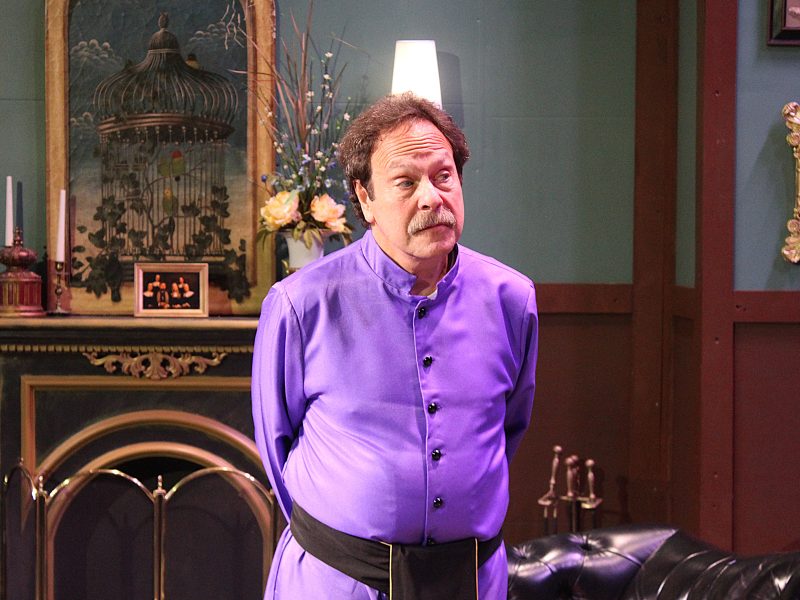
Theatre Albany brings ‘British farce’ to stage
I’ve told the players a million times: ‘If it’s not fast, it’s not funny.
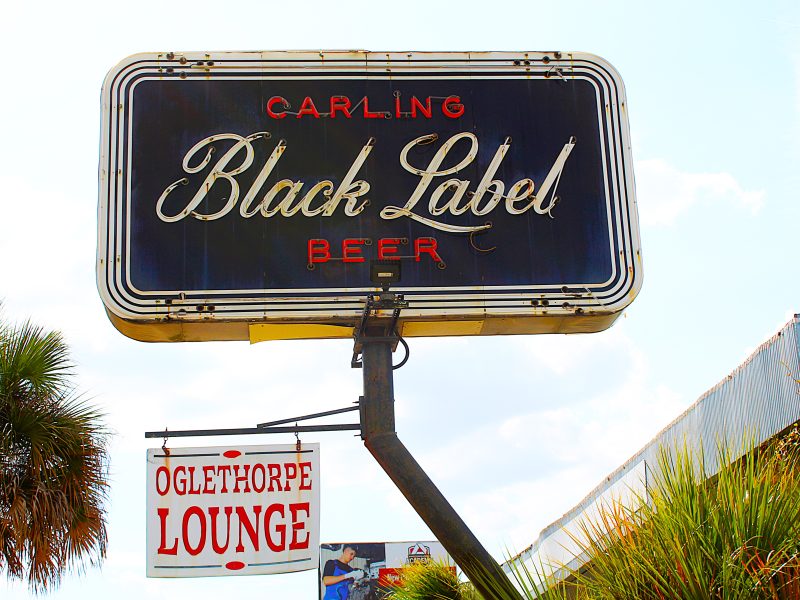
Dwindling group of area musicians always searching for a place to play
Unlike a recent “golden era” of local music, today no more than a handful of local bands performs at a much-smaller number of clubs and venues that offer live music.
ALBANY’S MUSIC SCENE … THEN AND NOW
If you’re looking for a cool “origin story,” few bands can match popular Albany-based late-’90s/2000s alternative rockers Holly Drive.
