
CREEDE HINSHAW: Christians and Muslims have a mutual goal
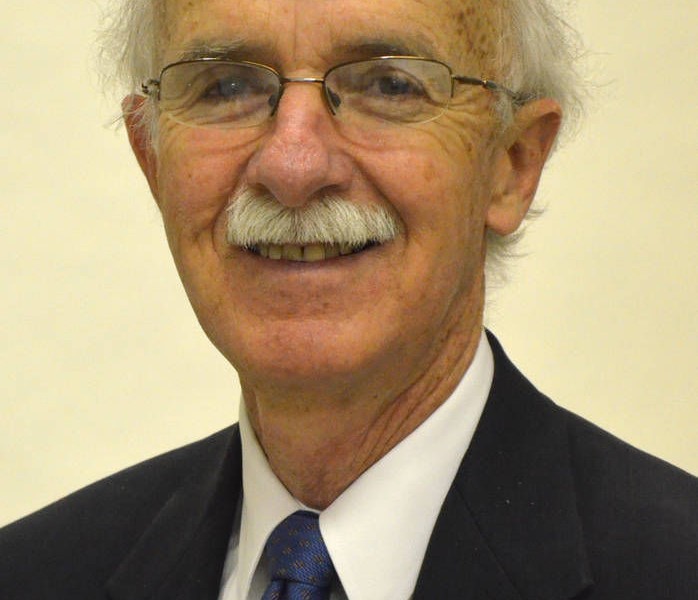
By Creede Hinshaw
[email protected]
They couldn’t eat the noontime meal because they were Muslims observing Ramadan. But that didn’t prevent them from cooking a very fine fish dinner and serving it to a group of newly met Christian friends.
The Christians ate; the Muslims served; they all talked to each other about a shared archeological concern.
The archeological interest was the ancient ruins of a church. The fish dinner is part of the back story of what might seem to be an unlikely relationship between a group of Christians and Muslims in the war-torn village of Kokheh in Iraq.
The architectural ruins of a very ancient Christian church are still standing at Kokheh. I studied some photos online. The site doesn’t look impressive, at least not on my computer, but these clay and brick ruins represent one of the most important churches in the history of the Eastern branch of the Christian Church.
History and tradition say that the Kokheh Church was the primary church of Eastern Christendom for centuries. From there were launched missionaries to India and Asia. Those ruins represent the very heartbeat of the Christian impulse in that ancient region.
Nobody has been able to visit the ruins for at least two dozen years due to the strife in the region. But in the last year or so this small band of Christian leaders came to the village, where they then were received with the kind of hospitality that is a basic part of the Middle Eastern culture.
It wasn’t all that many decades ago that Muslim and Christian lived together in village, city and nation, each respecting each other’s faith and even participating, to the extent possible, in the major holidays of the other.
The Muslims of Kokheh are also interested in the church site. But their interest is not of a competing, antagonistic kind. Mostly when we think of Muslim-Christian relationships regarding holy sites, we think of deep animosity.
Here, however, the two groups have a mutual goal … to open up the area again to tourists and pilgrims. The Muslims, proud of their Mesopotamian heritage, are as eager as are the Christians, to restore the site and make it a viable destination for all.
Last week Iraqi Christians held a mass at the site of the church. A photo showed a procession of white-robed Iraqis following a wooden cross toward the ancient site, date palms and dusty countryside in the background. I’m sure it was a very emotional worship service.
I would have loved the opportunity to have worshiped there, but even more I would have loved the opportunity to meet brothers who may have risked a lot to embrace one another.
If you believe that one act of kindness and reconciliation can make a small, but appreciable difference in the world, then something happened in Kokheh that was out of proportion to the small group who dined together in the summer of 2018.
I’d like to think and pray that there are many more acts like this happening all around the world; we just rarely get to celebrate them.
Related Articles

From cotton to cloud: In the data center debate, is rural Georgia once again being asked to carry the cost?
Across much of rural Georgia, the abandoned cotton warehouses and shrinking tax bases remain — enduring reminders that industries built to serve distant markets do not necessarily stay rooted in the communities that first sustained them.
My Grandpa Was Killed in World War II. I Met Him Through His Letters Home
Gina Wolf’s grandfather died before she was born. His letters sent to her grandmother from Europe during World War II made it possible to know what kind of man he was.
‘Sounds Like a Mutiny.’ Secret Recording Exposes Claims of Toxic Leadership After a Marine’s Suicide
This week’s War Horse story follows the systemic failures before and after the death of Cpl. Drew Mobley who was the third in two years at Marine Corps Base Quantico to die by suicide.
