
Daniel Diet’ takes a spiritual approach to health
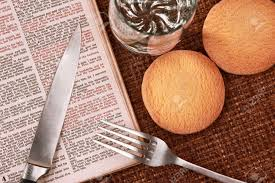
Staff Photo: Tara Dyer Stoyle
Staff Photo: Tara Dyer Stoyle
By Tara Dyer Stoyle
[email protected]
ALBANY — So far in our diet series, we’ve looked at diet from strictly a weight-loss perspective with the Paleo Diet and considered the brain health/diet connection with the Mind Diet. But is there a spiritual component to dieting?
The original Christian list of no-no’s was written by Evangrius Ponticus in the 4th century and included eight deadly sins ranked according to the seriousness of their threat to one’s spiritual life. No. 1 on the list … gluttony, followed by lust, avarice, sadness, anger, sloth vainglory and pride. Two hundred years later, Pope Gregory modified the list and after all was said and done, there were seven deadly sins (gluttony made the cut) and a list of seven virtues that would counteract the sins.
The Koran mentions gluttony dozens of times. “Be wary of gluttony, for indeed it causes hardening of the heart, sluggishness in prayer and corruption of the body.”
The Torah states, “When a person is overstuffed and complacent, he is more inclined to turn his back on God.”
Recently, actor Chris Pratt brought new attention to a diet that dates back to the 2nd century via an Instagram post in which he mentioned The Daniel Diet, describing it as “21 days of prayer and fasting.”
The Daniel Diet was developed by Pastor Rick Warren (author of “The Purpose Driven Life) for himself and his church members with the help of Mark Hyman, Daniel Amen and Mehmet Oz.
The plan is rooted in the Old Testament story of Daniel, who abandoned the king’s rich foods and fasted, eating only simple foods and drinking water, in order to honor God.
There are variations of this diet, but the original Daniel Diet is a 21-day fast. The fast is a “purified vegan” diet meant to be followed for a short time. Although you are likely to lose weight in the 21 days, the main focus of this diet is to become closer to God through sacrifice.
In spite of the implication of the word “fast,” amounts of acceptable foods are not limited.
Here’s what you can and cannot eat:
♦ All fruits and vegetables are permitted;
♦ Whole wheat breads, oats, barley, rye, buckwheat, quinoa and cornmeal are okay;
♦ No beef, chicken, pork, eggs, seafood or dairy is allowed;
♦ Protein should come from beans, nuts, seeds and nut butters;
♦ No caffeine or alcohol
♦ Only use the following oils: olive, coconut, conola, flaxseed, avacado, sesame or peanut;
♦ No sugar, including honey, agave and maple syrup;
♦ Only drink 100 percent fruit juice or water; and
♦ Some versions allow salt and others do not.
Because it was not developed to be a permanent way of eating, The Daniel Diet was later reworked into a long-term diet called the Daniel Plan.
The plan is basically 50 percent of your daily diet being non-starchy vegetable, 25 percent healthy animal or vegetable proteins and 25 percent starch or whole grains.
These foods include those listed on The Daniel Diet, but the following additions are allowed for The Daniel Plan:
♦ No more than 8 eggs per week;
♦ Eat only organic, chemical-free chicken;
♦ Eat only organic, grass-fed beef or lamb but no more than 4 to 6 ounces twice a week;
♦ Eat only wild salmon, halibut or black cod;
♦ Organic corn tortillas and brown rice;
♦ Unsweetened almond, coconut and rice milk, coffee, hemp or chia milk, green, black and herbal teas, water (at least 64 ounces per day);
♦ Honey, stevia and pure maple syrup;
♦ Balsamic vinegar, mustard, misso and vegan mayonnaise;
♦ All herbs and spices; and
♦ Exercise is also a part of the Daniel Plan.
Many dieters who followed the fast and/or the plan, experienced similar pros and cons.
The pros included a reduction in weight, LDL cholesterol, blood pressure and C-reactive protein (a marker of inflammation and indicator of chronic disease).
The cons were fatigue, weakness, constipation and digestive issues.
If you are taking medications or have medical issues, it is important to speak to your physician before starting this (or any) diet plan.
Christian counselor Sherry Lyles said she believes there is a connection between physical and spiritual health.
“Applying the words of Bible verses like Daniel 1:8-16 and Matthew 7:12 will not only aid in your journey for better physical heath, their words can contribute to better brain function and longer/better quality lives,” Lyles said. “The Bible speaks of longing for God more than food or drink.”
Lyles offered the words of Psalm 63:1-2:”My soul thirsts for you and my flesh yearns for you,” adding, “we often try to satisfy the deep longing of our souls with food and drink.”
Maybe the bottom line is that a healthy diet should feed the body, the mind and the spirit, and a healthy measure of self-control is always a good thing. But I can’t imagine that God would mind if you enjoyed an occasional slice of cheesecake with strawberries and honey.
Related Articles
My Grandpa Was Killed in World War II. I Met Him Through His Letters Home
Gina Wolf’s grandfather died before she was born. His letters sent to her grandmother from Europe during World War II made it possible to know what kind of man he was.

‘Sounds Like a Mutiny.’ Secret Recording Exposes Claims of Toxic Leadership After a Marine’s Suicide
This week’s War Horse story follows the systemic failures before and after the death of Cpl. Drew Mobley who was the third in two years at Marine Corps Base Quantico to die by suicide.

Southwest Georgia artists recognized at packed opening of exhibition
The annual juried exhibition, one of the region’s largest showcases of visual art, features approximately 46 artists and nearly 90 works spanning painting, sculpture, ceramics, photography and mixed media.
