How to address and prevent winter grass problems
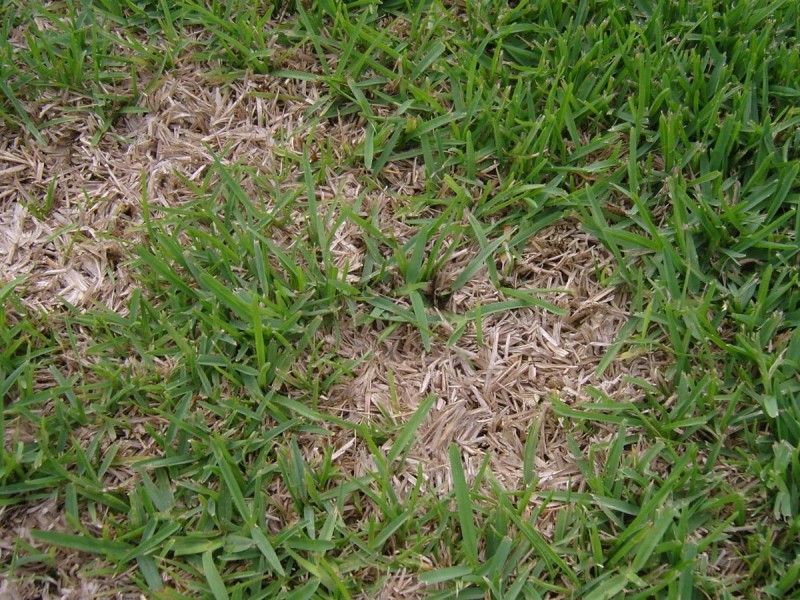
Special Photo: Sod Solutions
By Valerie Smith
Sod Solutions
As winter approaches, our once-vibrant lawns transition into a dormant landscape, sometimes hidden beneath frost and snow. While the urge to hibernate indoors is strong, it’s crucial to remember that winter brings its own set of challenges for your lawn.
From soggy soil to fallen leaves, biting cold to elusive voles and winter desiccation, winter grass faces various obstacles.
Even though a lawn may appear dormant, it remains alive and has specific needs, such as sufficient moisture. Winter lawn care is just as vital as other seasonal maintenance routines since the care provided now will significantly impact a lawn’s reawakening in spring. Here are some essential care tips:
Pro Tip: Fertilization is best done during active growing seasons like spring, summer and fall. Avoid applying fertilizer once temperatures consistently drop below 40 degrees Fahrenheit, as it won’t be as effective. Prepare a lawn with the necessary nutrients during the fall to ensure it survives winter dormancy.
In winter, lawns often struggle with soggy soil due to increased precipitation and frozen ground’s poor moisture absorption. This excess water can cause compaction, reduce root oxygen and invite fungal diseases.
Aerating the lawn perforates the soil, improving water infiltration and root oxygenation. Installing French drains helps redirect excess water, preventing waterlogging.
Ensure proper grading and drainage to direct water away from low-lying areas. Regularly aerate your lawn to enhance soil structure and water infiltration. Promptly rake and remove fallen leaves to prevent water buildup.
Fallen leaves, initially innocuous, can harm a winter lawn. They create a moisture-trapping barrier, promote fungal diseases and block sunlight and air circulation, hindering photosynthesis and grass growth.
Regularly rake to prevent leaf buildup, ensuring sunlight and air reach the grass. Alternatively, mulch the leaves with a lawnmower to provide an eco-friendly solution. Leaving some of autumn’s fallen leaves on the ground benefits wildlife, enhances soil fertility and reduces weeds. It also provides habitat for various creatures, aiding pest control and pollination.
Regularly prune and trim trees to reduce the number of fallen leaves. Consider installing leaf-catching screens or barriers around trees and gutters.
Winter’s freezing temperatures can harm lawns, making grass brittle and vulnerable to damage. Freeze-thaw cycles lead to soil heaving, exposing roots and causing desiccation or winterkill.
Choose cold-hardy grass varieties suited to a region’s climate. Ensure the lawn is well-fertilized and hydrated before winter. Avoid excessive foot traffic on frozen grass and insulate sensitive plants with mulch or protective covers.
Winter voles wreak havoc on lawns, tunneling beneath snow to feed on roots and cause damage. Trap the invaders with mousetraps or live traps baited with peanut butter or apple slices. Install hardware cloth or underground fencing. Use castor oil-based repellents or ultrasonic-powered vole repellent stakes.
Maintaining a well-groomed lawn will reduce potential vole food sources and create an environment less hospitable to voles.
Crown hydration occurs when soil briefly thaws, causing grass crowns to absorb water. Subsequent freezing damages cells, weakening grass and potentially causing brown patches or death.
Detect crown hydration damage in winter grass by watching for symptoms like delayed greening, thinning, stunted growth, dead patches and weak roots. Gently remove dead grass and thatch for improved air circulation and growth stimulation.
Reseed or use grass plugs in damaged areas in spring. Apply balanced fertilizer for recovery without excess nitrogen. Maintain soil drainage and avoid excessive pre-winter watering. Choose cold-hardy grass and reduce soil compaction through aeration.
Winter desiccation, or “winter burn,” occurs due to dehydration during winter, caused by freezing temperatures, harsh winds and low humidity. It leads to browning, brittleness and potential damage.
Water during thaw periods and mild winter days to restore moisture. Apply light mulch or straw where snowfall is insufficient to protect against moisture loss. Trim overhanging branches and remove debris blocking sunlight and airflow. Minimize de-icing chemicals/salt use on walkways and driveways. Overseed damaged areas, fertilize, aerate and dethatch for healthy regrowth.
Deeply water your lawn before freezing to ensure sufficient moisture; keep the lawn clear of leaves and debris; apply anti-transpirants to reduce water loss from leaves.
In conclusion, winter presents unique challenges for lawn care. However, proactive winter grass care is essential for a healthy spring revival. Implementing practical prevention techniques such as choosing suitable grass varieties, avoiding excessive foot traffic, ensuring proper fertilization and hydration, averting issues with wet soil, minimizing fallen leaves, deterring troublesome voles and vigilantly monitoring for crown hydration and winter desiccation can yield substantial benefits.
Author

Related Articles

From cotton to cloud: In the data center debate, is rural Georgia once again being asked to carry the cost?
Across much of rural Georgia, the abandoned cotton warehouses and shrinking tax bases remain — enduring reminders that industries built to serve distant markets do not necessarily stay rooted in the communities that first sustained them.
My Grandpa Was Killed in World War II. I Met Him Through His Letters Home
Gina Wolf’s grandfather died before she was born. His letters sent to her grandmother from Europe during World War II made it possible to know what kind of man he was.

‘Sounds Like a Mutiny.’ Secret Recording Exposes Claims of Toxic Leadership After a Marine’s Suicide
This week’s War Horse story follows the systemic failures before and after the death of Cpl. Drew Mobley who was the third in two years at Marine Corps Base Quantico to die by suicide.