
Native Georgia author offers all the facts on boiled peanuts
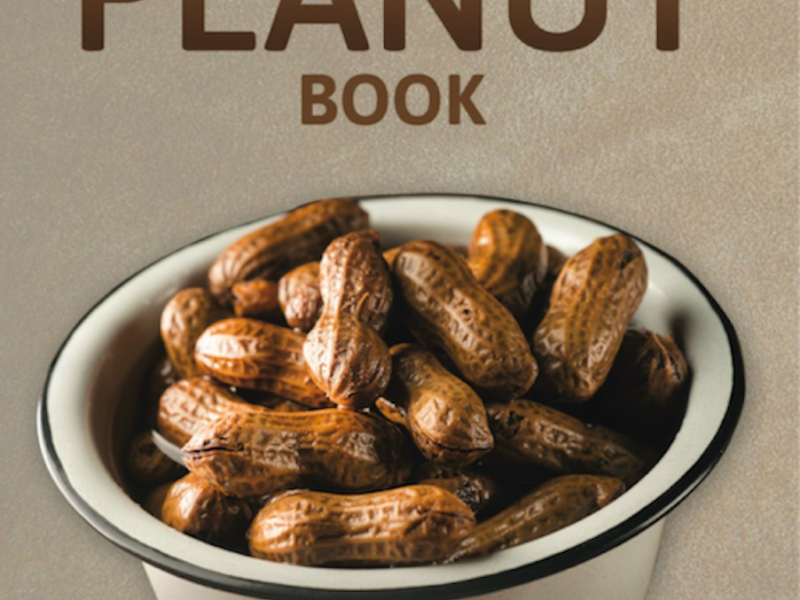
Special Photo
From staff reports
DONALSONVILLE — Georgia produced two billion, seven hundred and seventy-two million pounds of peanuts last year. That’s a lot of peanuts.
But how many of those ended up boiled?
The author of the first book devoted exclusively to boiled peanuts wants to know.
“Boiled peanuts are a mysterious thing,” says Robert Deen, author of “The Boiled Peanut Book.” “They’re kind of a Southern secret, everyone in Georgia knows all about them, but you get out of the South and people say, what?”
Deen is a former Georgian who spent his adult life in the western United States, and now lives on the Oregon coast — a mile from the famous Tillamook Cheese Factory.
“It seems like I spent my whole life having grocery clerks look at me funny when I asked about grits,” he says. “And boiled peanuts? Forget it.”
But Deen said he still remembers being a young boy in Donalsonville, Georgia, where his father coached the local high school football team to the “Peanut Bowl.” Frequent trips to visit relatives in the South kept him aware of the pleasures of Southern eating.
“The Boiled Peanut Book” is basically “everything you always wanted to know about boiled peanuts and then some.” While the author says he thinks it will be of interest to Southerners, the real goal is to introduce newcomers to the delicacy known as “caviar of the south.”
“You can’t believe the reactions I get from people when I ask them to try some,” says Deen. “Everything from outright disbelief to ‘Oooh those look slimy.’” While Georgians might want to read it, according to Deen it’s more likely something they would send to friends or relatives up North. “There aren’t too many Georgians that need an explanation of how to eat a boiled peanut,” he says. “Other places, well you’d be surprised.”
Still, even peanut experts from Georgia might find the history of boiled peanuts interesting. It is generally known that the slave trade brought peanuts to the United States from Africa – the nickname “goober” or “goober peas” resembles the word “nguba” for groundnuts in the Kongo language. But peanuts actually originated in South America, where ceramic pottery as old as 3,500 years has been found in the shape of peanuts.
Spanish explorers are believed to have brought peanuts back to Spain, where they were widely planted and eventually worked their way into Africa, where they closely resembled native groundnuts.
Georgia is in the heart of peanut country, and Deen is looking for authenticity and local help on the next update of his book. Unusual recipes in particular are sought, as well as insights into how boiled peanuts fit into family histories. He welcomes emails at [email protected]. Full credit will be given for any information used.
The book is only the beginning, says Deen. He plans to launch a public relations campaign for a full-blown evangelistic effort to introduce the rest of America to one of the South’s most special and savory secrets.
Related Articles
From cotton to cloud: In the data center debate, is rural Georgia once again being asked to carry the cost?
Across much of rural Georgia, the abandoned cotton warehouses and shrinking tax bases remain — enduring reminders that industries built to serve distant markets do not necessarily stay rooted in the communities that first sustained them.
My Grandpa Was Killed in World War II. I Met Him Through His Letters Home
Gina Wolf’s grandfather died before she was born. His letters sent to her grandmother from Europe during World War II made it possible to know what kind of man he was.

‘Sounds Like a Mutiny.’ Secret Recording Exposes Claims of Toxic Leadership After a Marine’s Suicide
This week’s War Horse story follows the systemic failures before and after the death of Cpl. Drew Mobley who was the third in two years at Marine Corps Base Quantico to die by suicide.
