Okefenokee among nation’s most endangered waterways
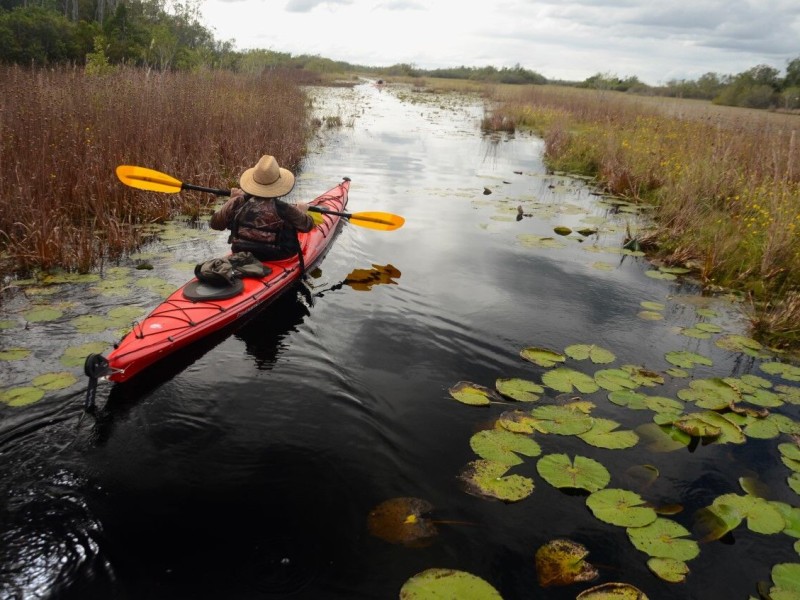
Special Photo: Georgia River Network
From staff reports
ATHENS — American Rivers has named Georgia and Florida’s Okefenokee Swamp among America’s Most Endangered Rivers, citing the threat that a proposed heavy mineral sands mine poses to this critically important wetland ecosystem.
Georgia River Network, the organization that nominated the swamp for consideration in the annual national list, has called on Georgia’s Environmental Protection Division to deny the permits for the mine in order to preserve clean water, wildlife habitat, and natural and cultural heritage.
“Inclusion in this inauspicious list only confirms what we already knew,” Rena Peck, the executive director of Georgia River Network, said. “People across the state and nation don’t want to see the swamp threatened by this mine. Hundreds of thousands, including Interior Secretary Deb Haaland, have called on Georgia’s leaders to stop this mine. The Okefenokee is an irreplaceable and one-of-a-kind wilderness; it should not be risked to obtain common minerals that can be more safely secured elsewhere.”
Both the U.S. Fish and Wildlife Service and U.S. Environmental Protection Agency predict that the proposed mine, located within three miles of the Okefenokee National Wildlife Refuge and designed to extract titanium-bearing minerals, would result in “permanent” and “unacceptable” damage to the Okefenokee Swamp, a unique wetland nearly half a million acres in size and home to alligators, carnivorous plants, an abundance of birds, several threatened and endangered species, and the Florida black bear.
Independent hydrologists who have reviewed the proposed mining operation predict that the mine will lower water levels in the swamp by pumping millions of gallons of water from the aquifer that underlies the swamp and by altering the hydrology of Trail Ridge, a sandy rise of land that serves to regulate water levels in the swamp.
Lower water levels will render the swamp’s Wilderness Canoe Trails impassable more frequently, thus impacting the tourism economy upon which surrounding communities depend.
Okefenokee National Wildlife Refuge — the largest national wildlife refuge in the eastern United States — receives an average of 600,000 visits annually. In addition to more than $50 million in local spending annually, Okefenokee Swamp tourism supports an estimated 826 jobs and $17.5 million in employment income.
“Swamp tourism is a major economic driver for communities in Charlton, Clinch and Ware counties,” Peck said. “Unlike the mine, which will impact the economy for the short-term, swamp tourism is sustainable and will support the area for generations to come.”
Opposition to the mining proposal has been overwhelming. During a recent public comment period, EPD received more than 100,000 emails and letters from citizens, asking the state agency to stop the mine.
Recent polling shows that more than 70% of Georgia voters oppose the mine. A unique international treasure that is part of the ancestral lands of the Muscogee Nation, it has long been known as one of Georgia’s “seven natural wonders.”
Uncompromised by agriculture or industrial development, the swamp is one of the world’s healthiest large-scale freshwater ecosystems, and is currently a potential UNESCO World Heritage Site. The Okefenokee also made the American Rivers Most Endangered Rivers list in 2020 when the mine was first proposed.
The annual America’s Most Endangered Rivers report is a list of rivers at a crossroads, where key decisions in the coming months will determine the rivers’ fates. Over the years, the report has helped spur many successes, including the removal of outdated dams, the protection of rivers with wild and scenic designations, and the prevention of harmful development and pollution.
American Rivers 10 Most Endangered Rivers list for 2023 includes:
1) Colorado River, Grand Canyon (Arizona), 2) Ohio River (Pennsylvania, Ohio, West Virginia, Kentucky, Indiana, Illinois), 3) Pearl River (Louisiana, Mississippi), 4) Snake River (Idaho, Oregon, Washington), 5) Clark Fork River (Montana), 6) Eel River (California), 7) Lehigh River (Pennsylvania), 8) Chilkat and Klehini rivers (Alaska), 9) Rio Gallinas (New Mexico), 10) Okefenokee Swamp (Georgia, Florida).
To learn more and take action to protect the Okefenokee Swamp, text SWAMP to 52886 or visit: www.garivers.org/protectokefenokee/.
Founded in 1998, Georgia River Network is a statewide river advocacy organization that serves as the voice of Georgia’s rivers and works to empower everyone to enjoy, connect with and advocate for economically vital and clean flowing rivers. The organization coordinates the state’s Water Trail Network. For more information on the Okefenokee Swamp, visit www.garivers.org
American Rivers is championing a national effort to protect and restore all rivers, from remote mountain streams to urban waterways. Healthy rivers provide people and nature with clean, abundant water and natural habitat. For 50 years, American Rivers staff, supporters, and partners have shared a common belief: Life depends on rivers. For more information on the 2023 Most Endangered Rivers list, visit www.americanrivers.org.
Author

Related Articles

From cotton to cloud: In the data center debate, is rural Georgia once again being asked to carry the cost?
Across much of rural Georgia, the abandoned cotton warehouses and shrinking tax bases remain — enduring reminders that industries built to serve distant markets do not necessarily stay rooted in the communities that first sustained them.

My Grandpa Was Killed in World War II. I Met Him Through His Letters Home
Gina Wolf’s grandfather died before she was born. His letters sent to her grandmother from Europe during World War II made it possible to know what kind of man he was.
‘Sounds Like a Mutiny.’ Secret Recording Exposes Claims of Toxic Leadership After a Marine’s Suicide
This week’s War Horse story follows the systemic failures before and after the death of Cpl. Drew Mobley who was the third in two years at Marine Corps Base Quantico to die by suicide.