
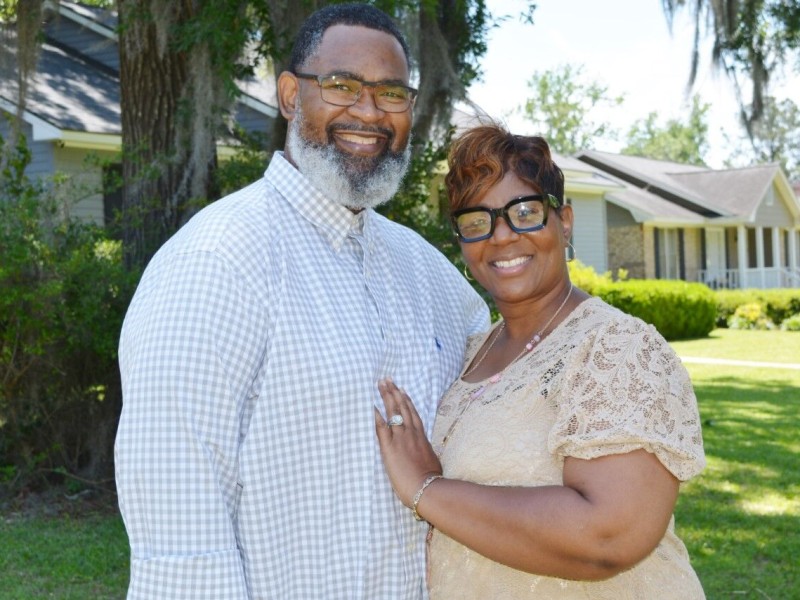
William and Carla Harrell wait for life-giving phone call
Staff Photo: Tara Stoyle
By Tara Dyer
[email protected]
ALBANY — Seven years after marrying “the kindest man I ever met,” Carla Harrell faces the very real possibility of losing her husband, who is desperately in need of a kidney transplant.
In 2017, William Harrell began experiencing chronic fatigue. He made an appointment to see his doctor and discovered that the source of his problem was kidney failure. With kidneys functioning at only 15%, Harrell was told he would soon need to begin dialysis.
After a period of educational classes on how dialysis works, diet, etc., Harrell started receiving in-home dialysis, was added to the donor list and like 120,000 other Americans, began waiting for an organ to save his life.
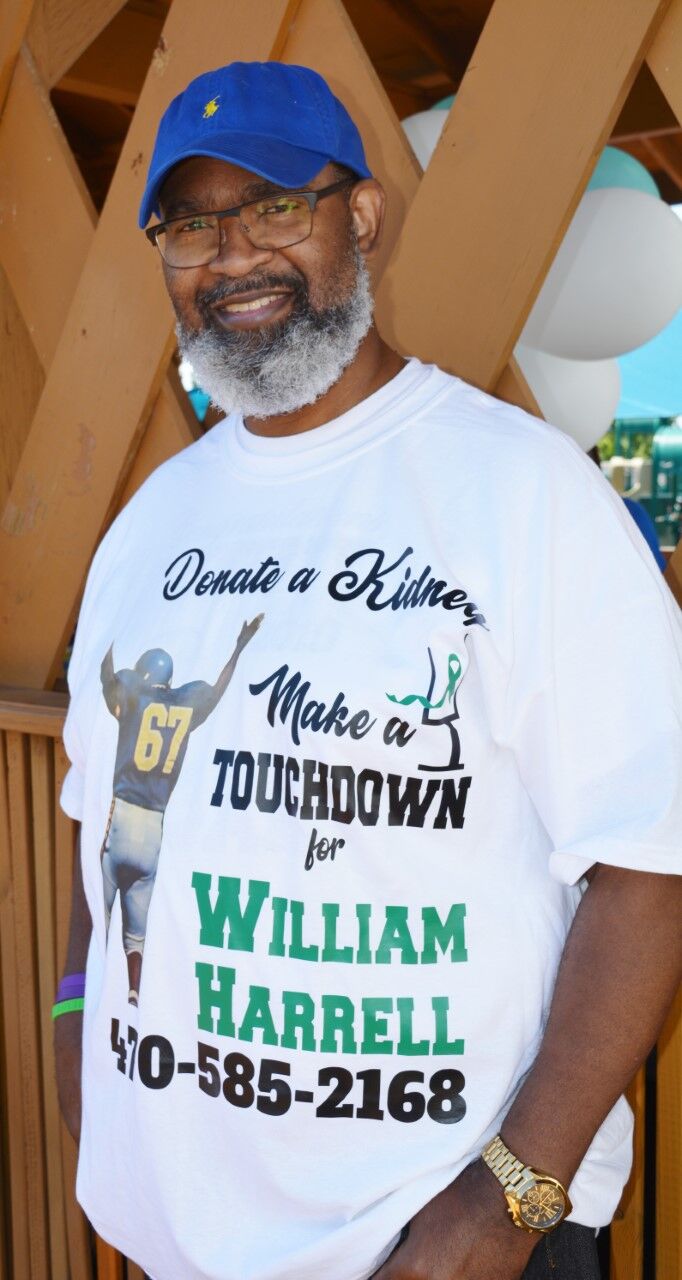
Harrell was born and raised in Albany, where his father made history as the first black police chief. He attended Westover High School and Albany State University, where he played football, basketball, wrestled and ran track. Now, at 50, Harrell said he has “prepared himself mentally for what may happen.” After which Carla Harrell quickly added, “But we are remaining positive.”
Preparing for the worst and hoping for the best is a common theme with people on an organ waiting list because the reality is that of the 120,000 Americans who need a transplant, only about 20% will receive an organ this year.
Fifty-four percent of Americans are registered as organ donors through the Department of Driver Services. By registering, individuals agree to donate viable tissue and organs at the time of their death.
Hannah Graves, a transplant outreach social worker at Piedmont Hospital in Atlanta, said the transplant registry needs more people to register, but live donors are also needed.
“With advancements in technology and science, most living kidney donors go home the day after surgery, and recovery time is around two weeks of light physical activity,” she said. “This is minimally invasive, laparoscopic surgery, so there are no major incisions or scarring. In addition to being a hero and saving a life, if a living donor is ever in need of an organ or tissue, they get special consideration on the waiting list.”
Graves praised the Harrells as inspirational.
“The way they live their life is so inspiring,” she said. “I’ve never seen such determined, positive people.”
The life expectancy of a person on dialysis is 5-10 years. William Harrell is going on four years. He and his wife said they haven’t allowed this bit of reality to diminish their quality of life and that they are closer than ever.
“We never miss a call because that call could be the one that saves his life,” Carla Harrell said.
And even though she appears to be composed as she talks of the manner in which she and William now live their lives, there is a bit of desperation in her voice when she said, “I haven’t met a single person who ever had a bad word to say about him. We’re a special blended family. He saw hurt and he healed it, and he stepped in where there was absence. He is loved and he deserves to live.”
Anyone interested in becoming a living donor can call Leanne Whitehead at (404) 605-4605.
In the meantime, the Harrells’ bags are packed as they wait for that most important call they’ll ever receive.
Related Articles

From cotton to cloud: In the data center debate, is rural Georgia once again being asked to carry the cost?
Across much of rural Georgia, the abandoned cotton warehouses and shrinking tax bases remain — enduring reminders that industries built to serve distant markets do not necessarily stay rooted in the communities that first sustained them.
My Grandpa Was Killed in World War II. I Met Him Through His Letters Home
Gina Wolf’s grandfather died before she was born. His letters sent to her grandmother from Europe during World War II made it possible to know what kind of man he was.
‘Sounds Like a Mutiny.’ Secret Recording Exposes Claims of Toxic Leadership After a Marine’s Suicide
This week’s War Horse story follows the systemic failures before and after the death of Cpl. Drew Mobley who was the third in two years at Marine Corps Base Quantico to die by suicide.
