
CARLTON FLETCHER: Meeting needs of the able-bodied perpetuates welfare state of mind
By Carlton Fletcher
[email protected]
You’re lazy, just stay in bed. You don’t want no money. You don’t want no bread.
— Deep Purple
There’s no question that a sizeable number of the churches, nonprofits and good Samaritan organizations that distribute funding, food and goods to meet “poor people’s” needs is doing the work of God in this and communities across the United States.
But at some point the question arises: When do these people take responsibility for themselves?
That may sound cruel, but it’s a genuine byproduct of a system that has created a subclass of people who have decided — or have had decided for them — that they need never work for a living or take any responsibility for their own actions. All they need is to hold out their hands.
And the churches, nonprofits and government agencies that have done away with standards of qualification for such giveaways are often hurting some of these people as much as they’re helping them. By meeting the needs of able-bodied individuals, who oftentimes are a third or fourth generation into this way of life, and not using qualifying standards that indicate true need, these groups and agencies are disincentivizing the self-satisfaction that comes with taking on and mastering the skills of a profession.
And in so doing, they’re eroding whatever work ethic these individuals might have encountered, teaching them instead to fill out forms and wait in lines to have needs magically met.
Over the last few weeks, I’ve been talking with Dr. Anthony Parker, Ms. Linda Coston and staff with the Adult Education program at Albany Technical College. That’s an amazing, amazing program, and one of the most amazing things I’ve learned while looking into this program is that 22 technical colleges in the Technical College System of Georgia offer Adult Ed programs … free of cost. That’s right, no fees, no payments, no obligations when you’ve finished the program.
Yet the number of adults who for whatever did not complete their high school education or have not sought training for a career that pays what Coston calls a “living wage” is moving in a downward direction.
If churches, nonprofits and government organizations were truly concerned about the “needy” in this and other communities — and this is, obviously, exclusive of the people who are held back by legitimate health and other issues beyond their control — they would encourage/insist that these individuals do a little research, find a profession that interests them, and get down to Albany Tech or any other such institution that offers this training and start working toward a career that will allow them to take care of their and their families’ needs.
Churches, especially, should be about that “teach a man to fish” concept, because the Bible says good people should be responsible for the sick and infirm, not the lazy.
When you see the random food, clothing, hygiene and various other giveaways going on all around you and you see healthy young people in line, or you watch people drive up in late-model automobiles dressed in the latest fashions, that’s not providing aid for the needy. That’s enabling people unwilling to find a job, reinforcing the concept that their way in life is being taken care of by someone else.
Sure, we see these individuals, and it angers those of us who work for a living, at least it does those of us who don’t agree that everyone’s needs should be met, even those unwilling to take care of themselves. But even worse, by rewarding the actions of people unwilling to do for themselves, we’re helping them perpetuate action that’s now being handed down from generation to generation to generation.
This is not a race issue. It’s not an us vs. them issue. It’s a basic human dignity issue. And there is no dignity in able-bodied individuals living off the kindness of others and the fruits of working people’s labor.
Author

Related Articles
Dawson police arrest wanted suspect after Flock Safety camera alert
According to police, May drove into the yard of a nearby residence instead of complying with officers’ commands. He then exited the vehicle and ran into the home on foot.
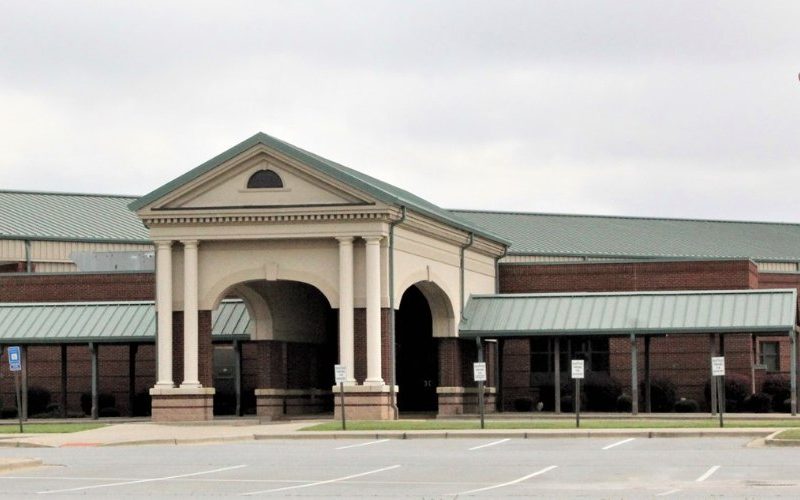
Lee County stands alone without E-SPLOST. Here’s what that means for schools, taxpayers and the county’s future
Following the defeat of its referendum, Lee County became just the second of Georgia’s 159 counties without voter approval for an active ESPLOST, leaving the school system without the state’s primary local funding source for major construction, renovations, school buses and other capital improvements.
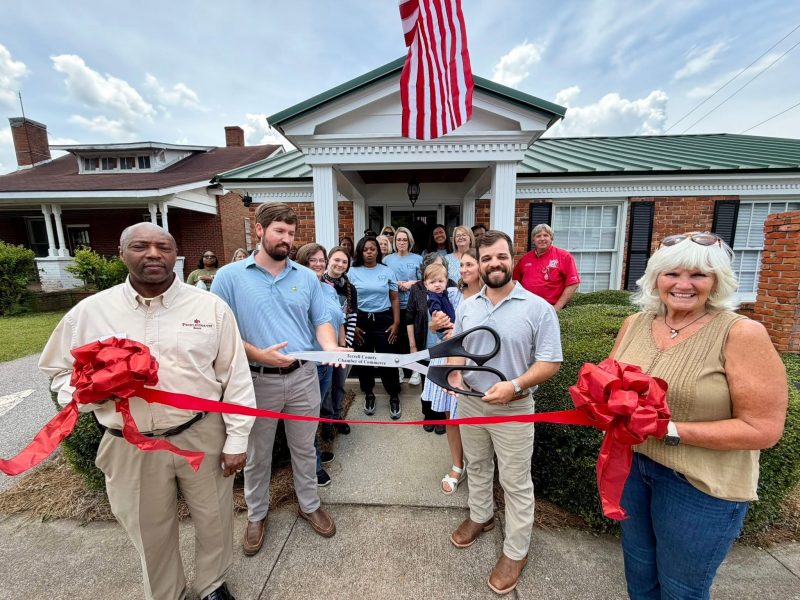
Chamber celebrates new businesses, invites community to Coffee and Connections event
The Terrell County Chamber of Commerce is continuing its efforts to strengthen local business relationships through community celebrations and networking opportunities, recently recognizing two new businesses with ribbon-cutting ceremonies and announcing its next “Coffee & Connections” event in Sasser.
