
Colquitt Regional introduces new heart failure treatment
Colquitt Regional Medical Center recently announced a major advancement in its cardiac care services with the introduction of the biventricular implantable cardiac device (ICD)
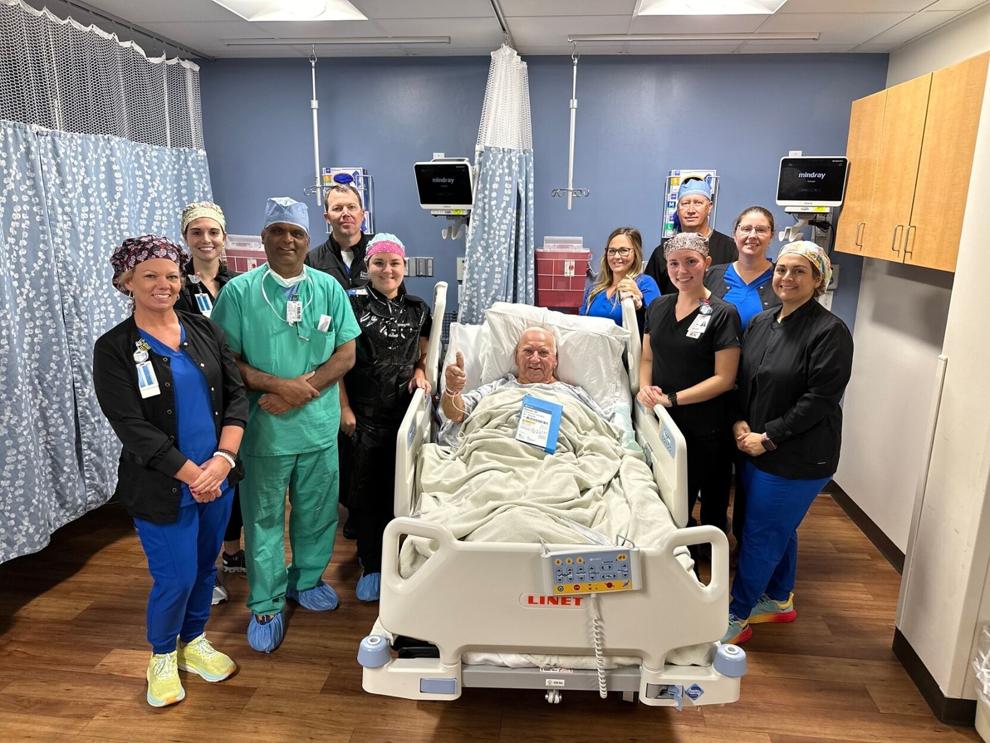
MOULTRIE – Colquitt Regional Medical Center recently announced a major advancement in its cardiac care services with the introduction of the biventricular implantable cardiac device (ICD), a cutting-edge treatment for patients with heart failure. Dr. Govindaraj Venkatesh, a cardiologist at Sterling Group Cardiology, recently became the first physician to successfully implant the biventricular ICD at Colquitt Regional.
“We are thrilled to offer this advanced treatment option to our community,” Colquitt Regional President and CEO Jim Matney said in a news release. “Heart failure is a complex condition that affects many, and this treatment provides the option for our patients to be treated right here at home.”
The biventricular ICD is a small, battery-powered device that helps the heart pump normally and protects against dangerous heart rhythms. This device uses leads to stimulate both the right atrium, right ventricle, and the left ventricle to help improve the heart’s pumping efficiency.
This therapy is primarily designed for patients who continue to experience symptoms of heart failure despite medication management. Studies show that the biventricular ICD can improve symptoms in approximately two-thirds of patients with heart failure, offering them a better quality of life, improved heart function and reduced symptoms such as shortness of breath, fatigue and fluid buildup.
Patients receiving the biventricular ICD can expect around a two- to three-hour, outpatient procedure performed in the Colquitt Regional catheterization lab. Patients typically spend one night in the hospital for observation before they are released to go home.
Recovery times for patients who undergo this procedure are similar to those for traditional pacemaker or ICD implantation, typically requiring four to six weeks for a full return to normal activities.
“We are pleased to be able to provide this level of care right here at Colquitt Regional,” Hospital Authority Chairman John Griffin said. “This is another example of how our hospital continues to invest in the latest technology and expertise to enhance the health and well-being of our patients and community.”
For more information, contact the Colquitt Regional marketing department at (229) 890-3552.
Author

Related Articles

PHOTOS: Albany State campus tour with Senator Jaha Howard
Click the arrow to scroll through the photos.

Foreclosures jump 52.9% across the region as buyers regain negotiating power
In Dougherty County, the number of residential properties advertised for foreclosure has nearly doubled this year. In neighboring Lee County, developers are preparing to add hundreds of new houses and apartments, including homes aimed at buyers who have struggled to find newer housing at an attainable price.

PHOTOS: Albany State New Employees Luncheon
Click the arrow to scroll through the photos.
