
Phoebe simulation lab offers safe training site for medical staff
Staff Photo: Carlton Fletcher
By Carlton Fletcher
[email protected]
ALBANY — Transported into this futuristic setting, a visitor wonders momentarily if his overactive imagination has somehow run amok.
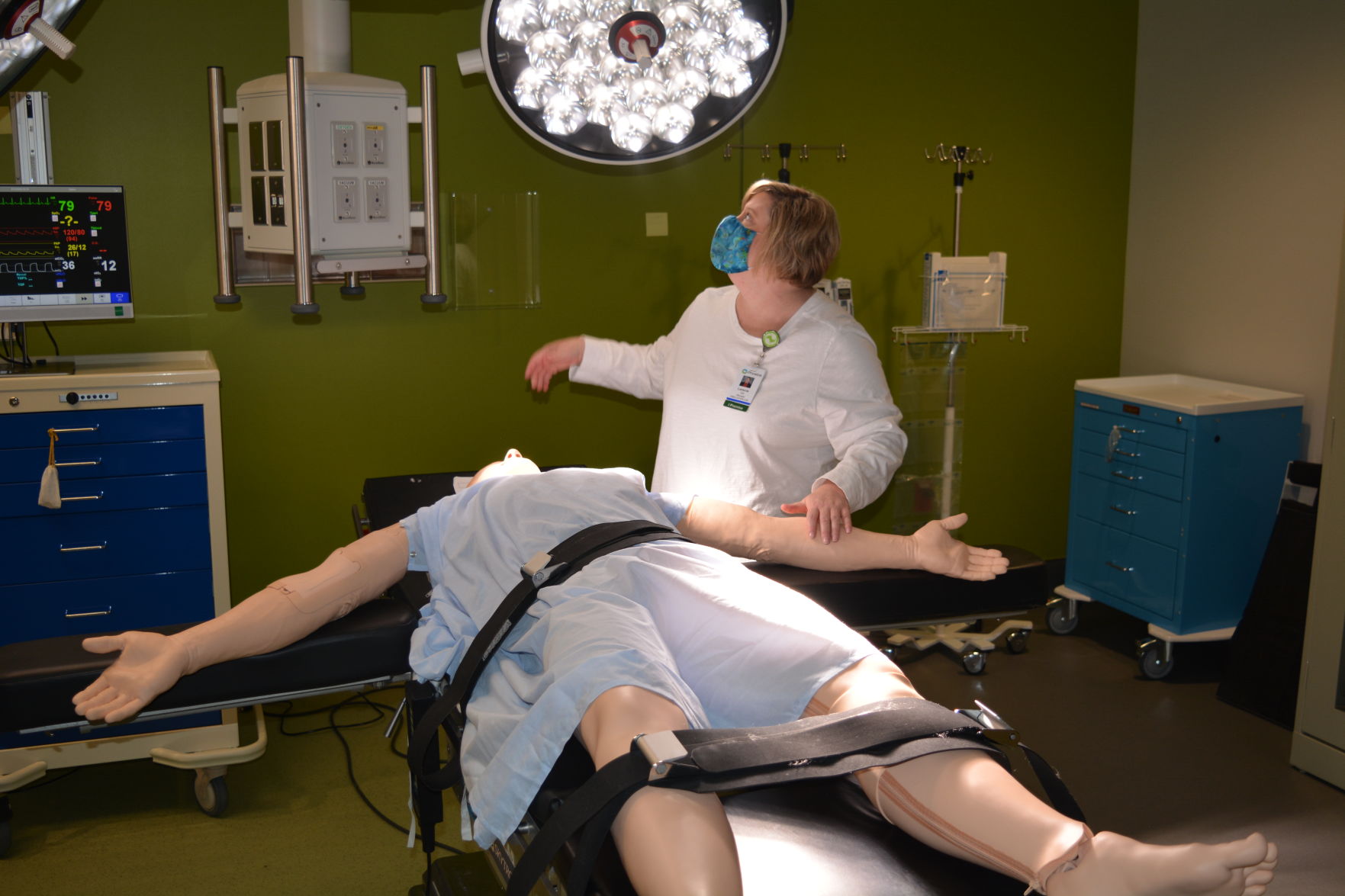
Lying on a very realistic looking operating table in a sterile room that looks eerily like an actual hospital OR, the visitor does a double-take when the cyborg-like being on the bed blinks. Yes, there it is again, an actual blink. And, wait, isn’t the sheet covering the body rising and falling in a steady rhythm as if he’s actually breathing?
Welcome to Phoebe Putney Memorial Hospital’s $5.3 million Simulation and Innovation Center, where $80,000 and $120,000 mannequins offer staff at the hospital heretofore undreamed-of training opportunities in what Phoebe Putney Health System CEO Scott Steiner calls a “no apologies” setting. The otherworldly laboratory is one that Steiner says will pay for itself within a year but, more importantly, save lives.
“In the past, when nurses finished their training, they had to learn on the hospital floor, with real-life patients,” Steiner said. “And even under the best of circumstances, mistakes are going to be made. This simulation center — and it truly is an education center — allows our staff to practice their required skills without the threat of endangering a life.
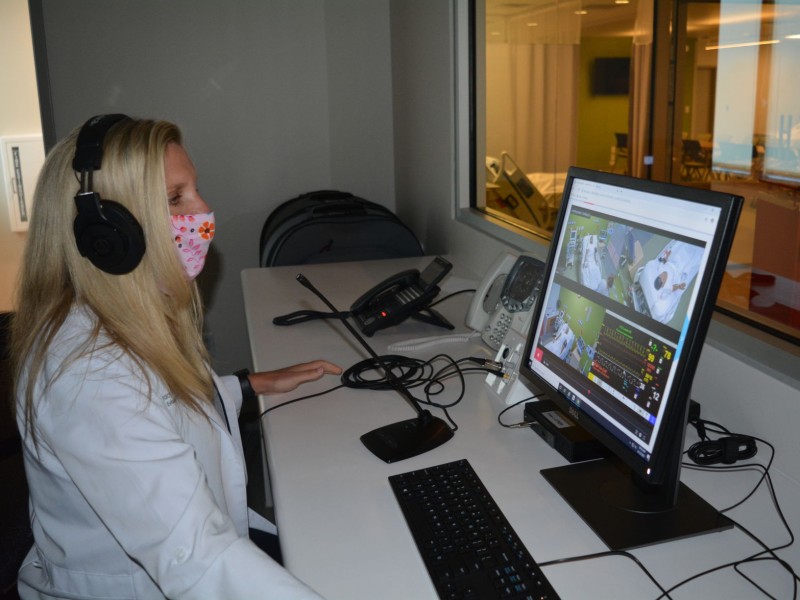
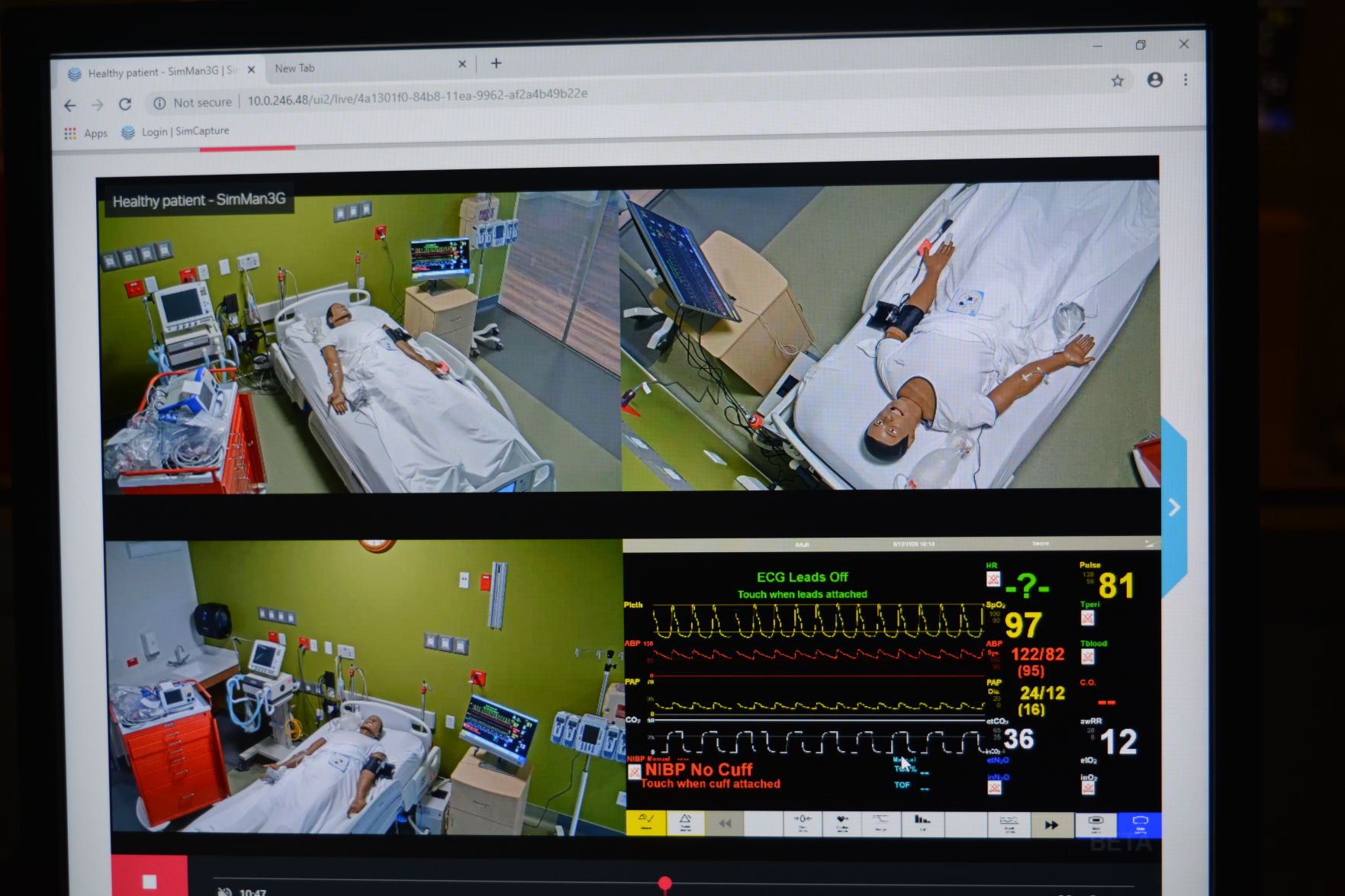
“They run through one of 4,000 scenarios that our mannequins can be programmed for, and the whole thing is videotaped. Then we go into a room and look at the video, and we can say, ‘That was an excellent job there,’ or ‘This is where you made a mistake that we need to work on.’ And there’s no risk of harming a patient.”
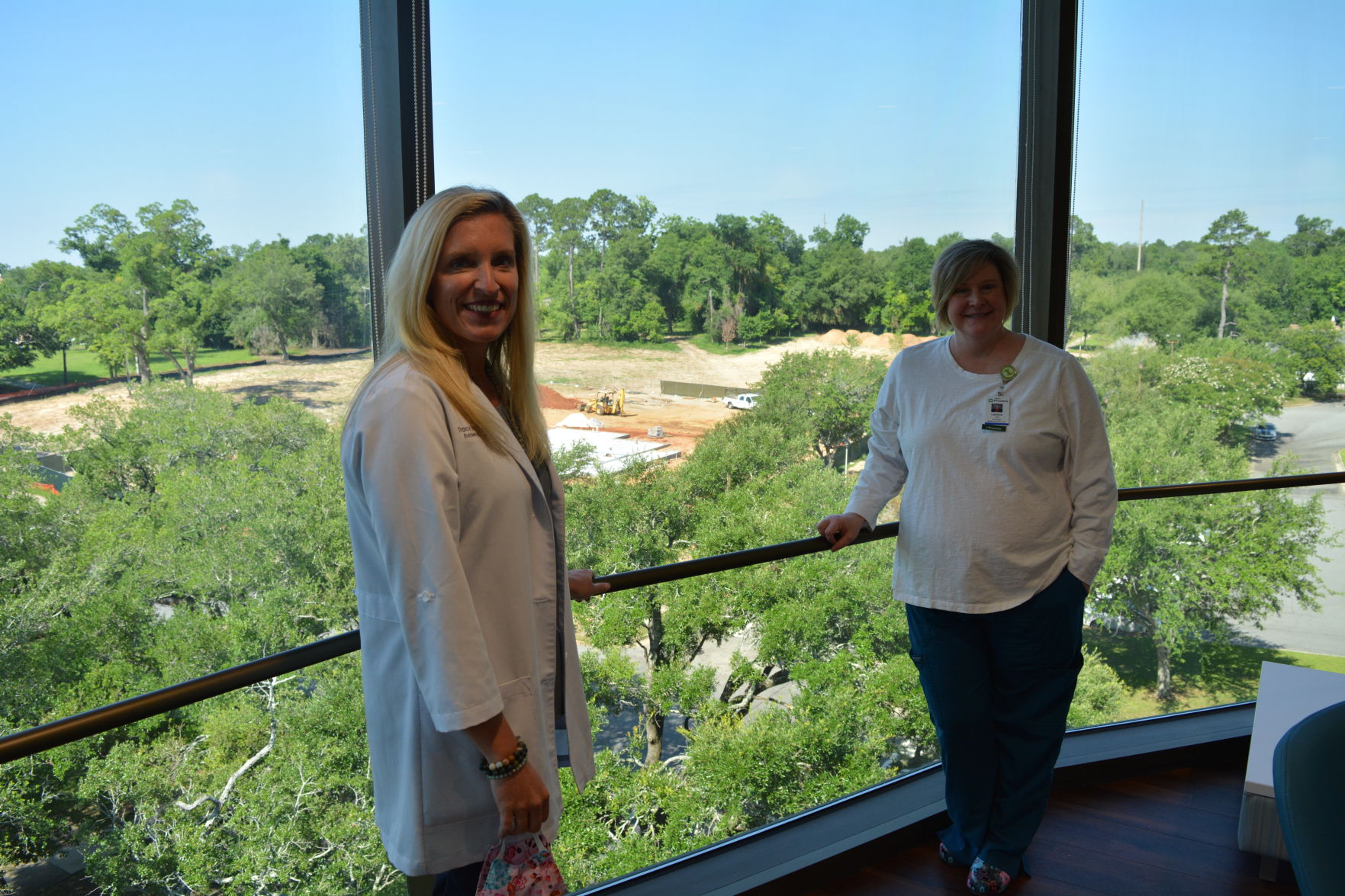
The Simulation and Innovation Center, which will welcome its first cohort of 40 new hires Monday morning, came about when Steiner had an early conversation with Phoebe Assistant Vice President of Nursing Education Tracy Suber. Suber, who came to understand the educational value of even rudimentary mannequins while teaching at then-Darton College, said she found a willing listener with a similar interest in the technology when Steiner came on board as the Phoebe Health System’s CEO.
“I found an old mannequin in a closet (at Darton, now Albany State University’s West Campus) and quickly saw it presented a powerful learning opportunity,” Suber said. “My dean in the health sciences department bought into the idea, and we expanded a closet area in the college’s old nursing building into a lab. When the new nursing building was built, I was fortunate enough to help design an area for simulation work.
“When I came to work at Phoebe six to eight years ago, I was interested in bringing that concept here on a bigger scale. I had a conversation with Scott after he came on board, and I quickly realized that this is something he wanted as well. To me, this center is a dream come true, but it’s a dream I never expected to see on this scale.”
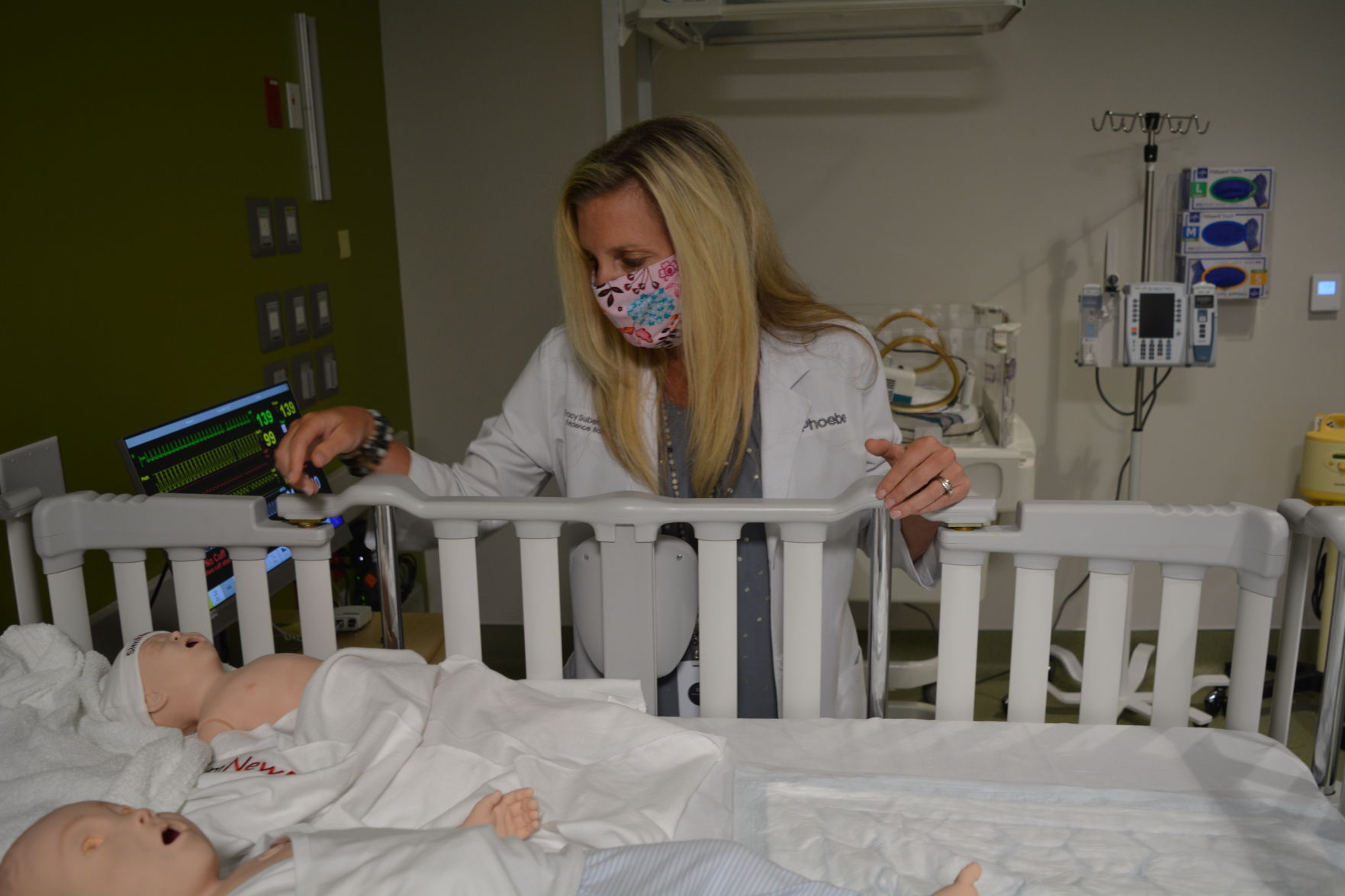
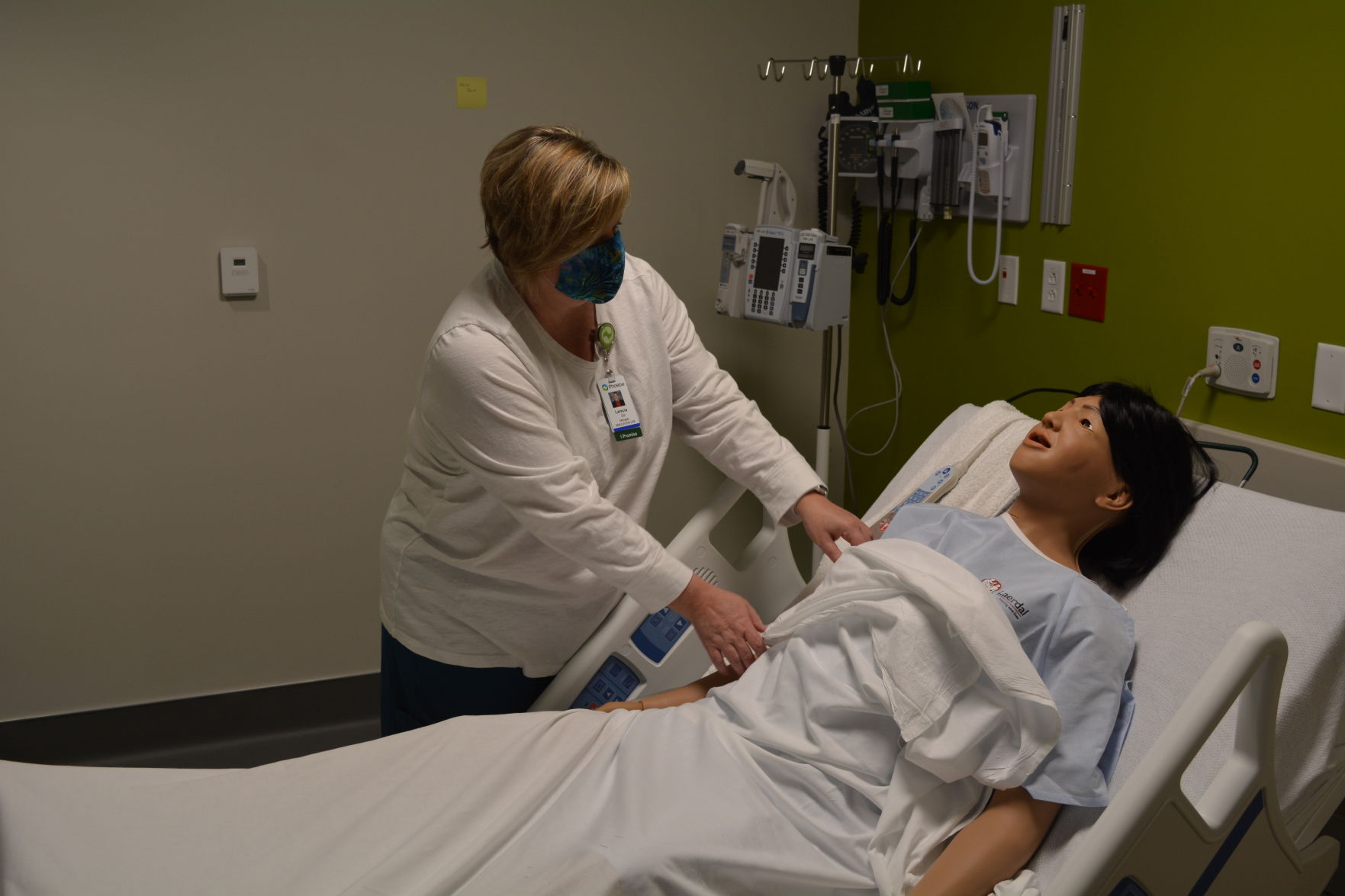
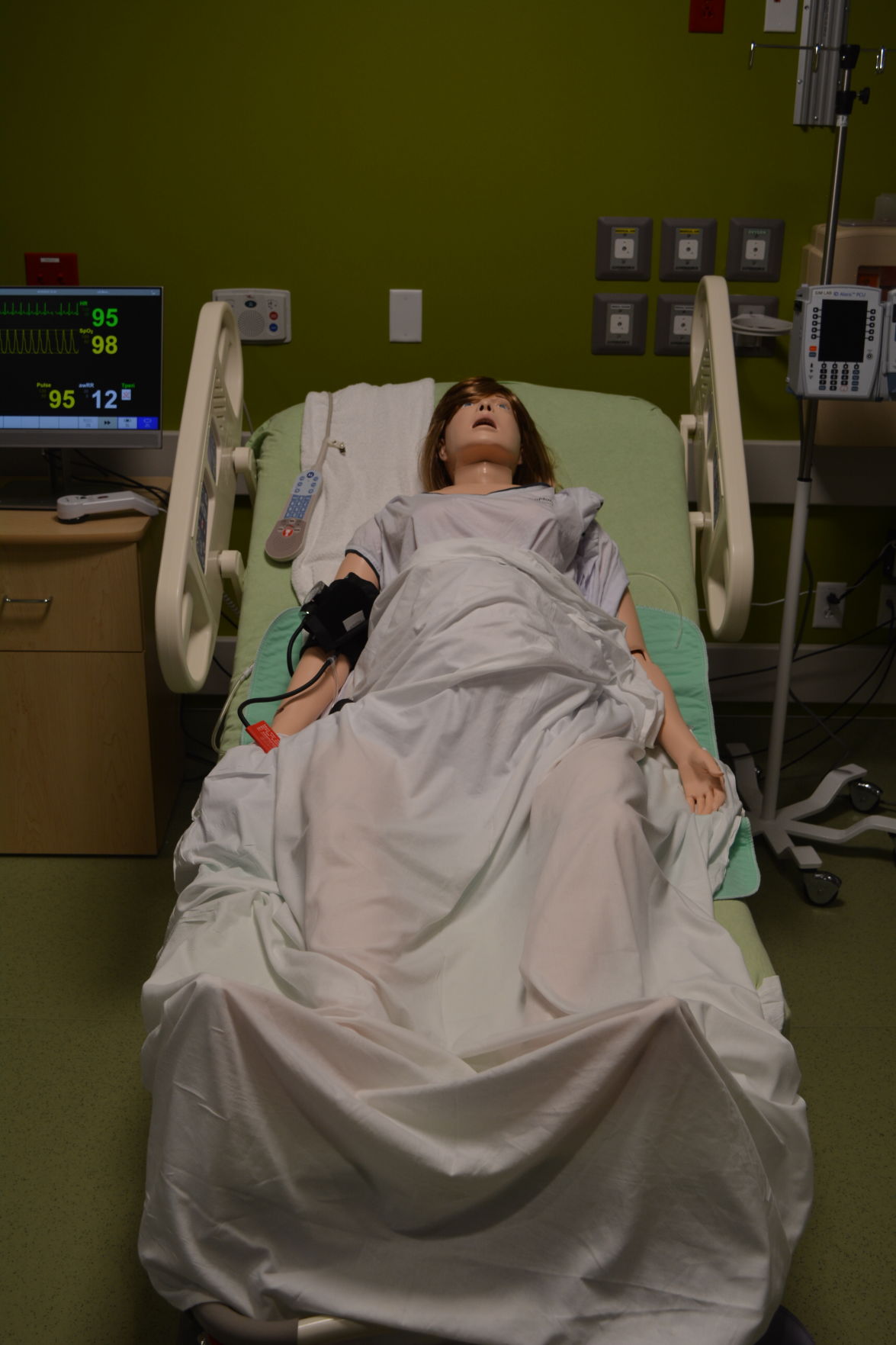
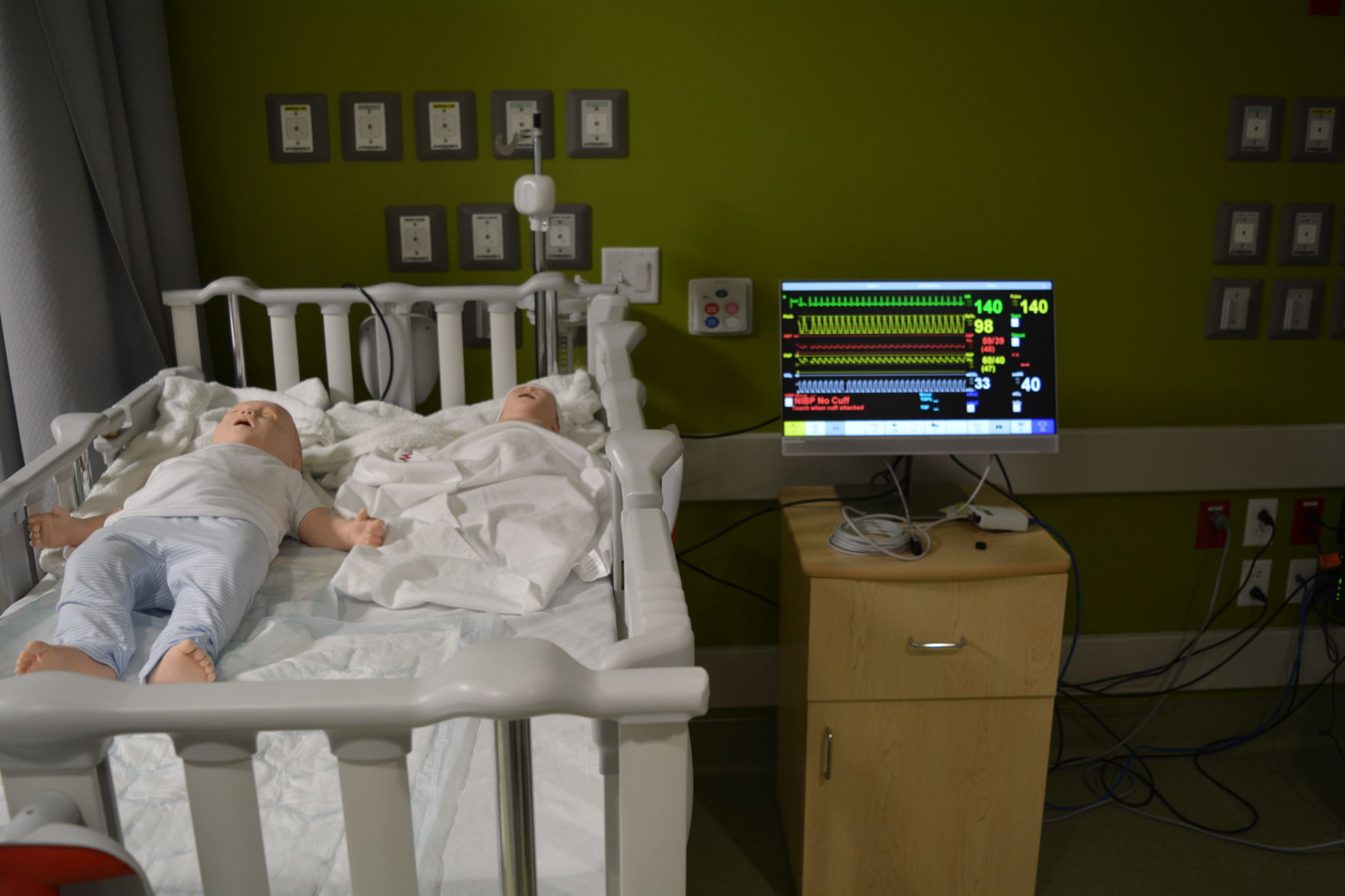
The Phoebe Simulation and Innovation Center is located on the fifth floor in a 22,000-square-foot section of the hospital’s Medical Tower II. In addition to the latest technology in high-fidelity medical mannequins, it contains classrooms, offices and multiple training rooms, including an operating/trauma room, a traditional hospital room, an intensive care unit room, and a labor and delivery suite that contains a neonatal intensive care unit, all set up to emulate the actual facilities in which Phoebe staff work.
“We tried to focus on all the little details and have the center replicate what our staff will see when they start working in the hospital,” Larecia Gill, a former Phoebe nurse who returns to the hospital as the manager of the simulation center after a decade in academia, said. “The hospital has made this significant investment, and I am thrilled to have this unique opportunity to develop education programs at what will be one of the finest medical simulation centers in Georgia. We are committed to enhancing the diagnostic and communication skills of our participants to ensure the safe delivery of care to patients at Phoebe, and we look forward to beginning our training classes in June.”
Already, health care programs at Albany State University, Albany Technical College, Andrew College, Abraham Baldwin Agricultural College and other educational institutions in the region are planning to use the simulation lab.
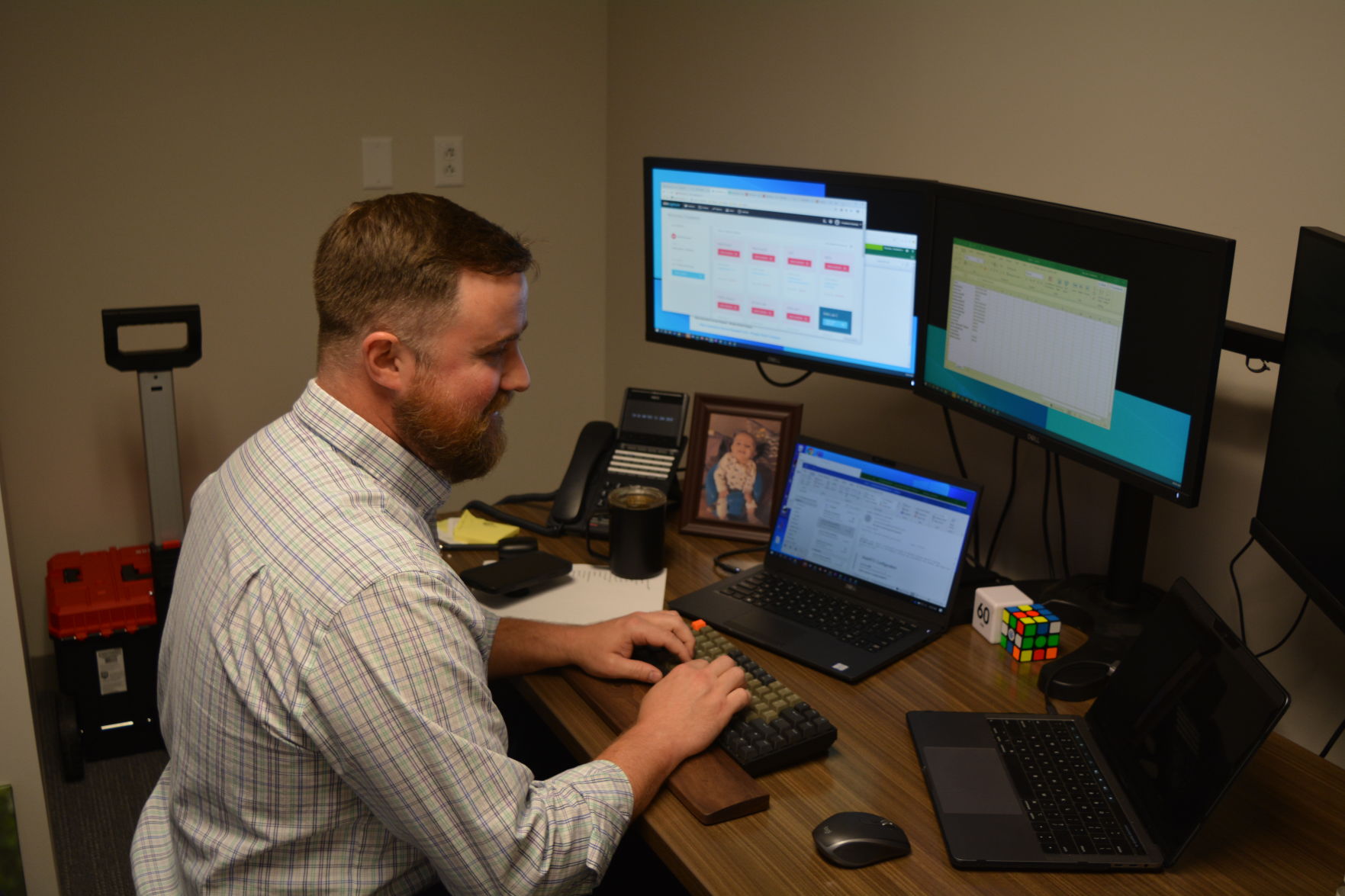
While showing a visitor around the simulation center, the enthusiasm Suber and Gill share is palpable and infectious. They show off all the bells and whistles, talk about the various scenarios that Simulation Operations Specialist Chad Rachals can program into the “patients” in various parts of the center. Oh, and there are those mannequins.
“Pretty much anything health care professionals experience in the hospital, we can simulate here,” Gill said.
Indeed, the simulation center’s “patients” can be programmed for taking pulse (at the neck, wrist, feet), breathing issues, checking bowel and heart movement. Practitioners can insert chest tubes, IVs and Foley catheters. (“When you insert the catheter, some fake urine will come out.”) One mannequin delivers a baby in the labor and delivery suite (“We can simulate a breach birth or other problems.”), and there is even an incubator for a premie baby in the simulated neonatal intensive care unit. Trauma patients actually bleed.
Plus, the mannequins can be programmed to answer medical questions.
“In the past, nurses and other staff had to learn in real-life situations,” Steiner said. “None of them would say it out loud, but in their heart they were saying ‘I hope I see a code today; I hope I get to experience this or that.’ In the sim lab we have the ability to really complete that circle for them. They can come in and practice on any of these scenarios without a possible mistake costing someone their life. You can screw up, and no one dies.”
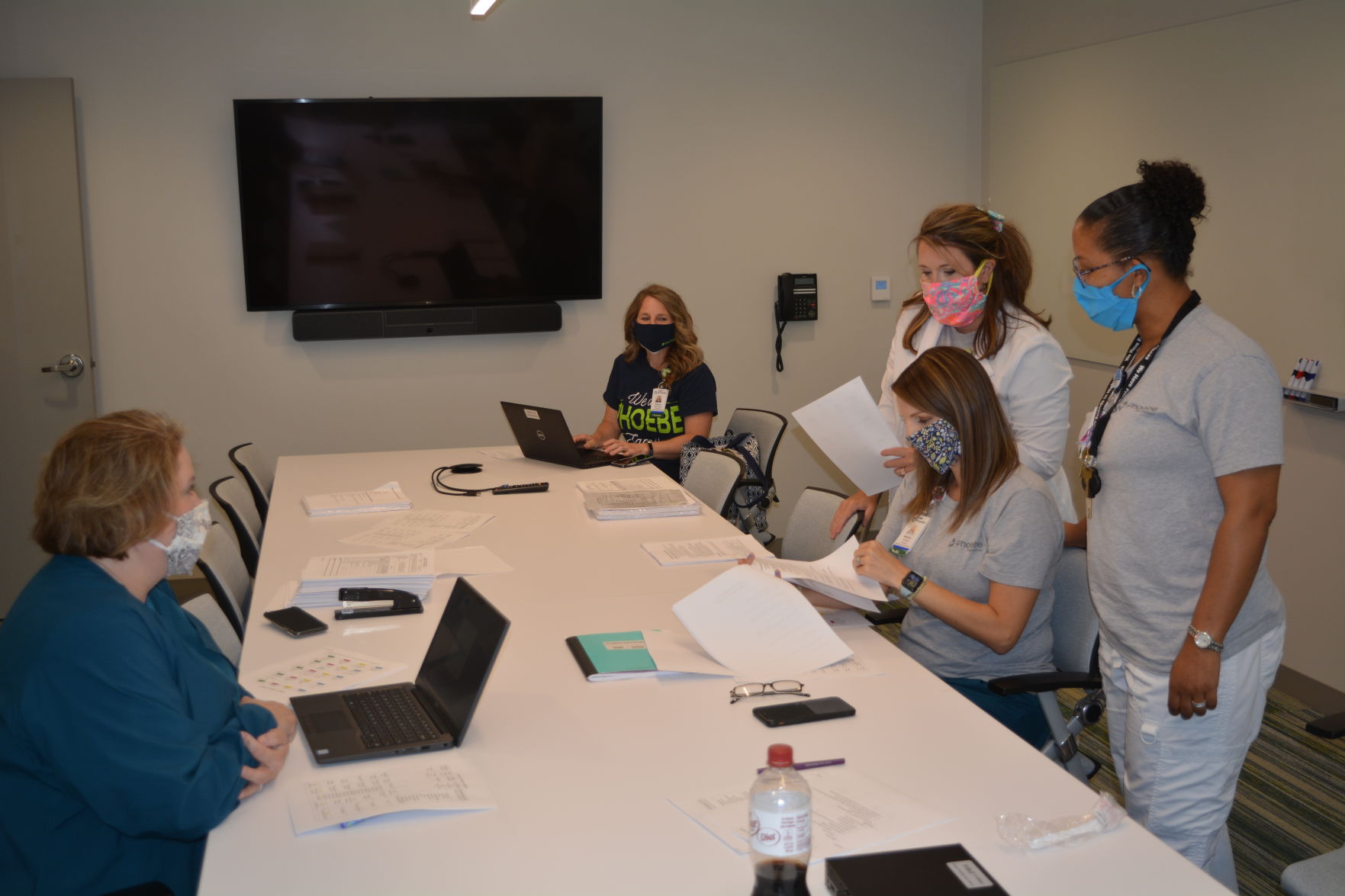
Jennifer Williams, who is responsible for organizational leadership training, conflict resolution and employee engagement, will offer orientation Monday morning for the 40 new hires. They will go through training in the simulation lab.
“You look at the new nurses coming out of college, and most of them did not get to finish their last semester of clinicals because of the coronavirus,” Suber said. “They may struggle at first; there is a complex gap that has developed for them through no fault of their own. This lab will help bridge that gap. This will be a safe place for them to learn.”
With a $5.3 million price tag, some might wonder at the potential return on investment of the Phoebe Simulation and Innovation Center. Steiner said it will pay dividends well beyond the cost.
“Since one of our primary functions is to avoid harm, of course this facility will help prevent errors,” the health system CEO said. “It’s also going to help prevent lawsuits, shorten orientation, and it’s going to help us with the recruitment of medical professionals across the board. It’s also going to help us get young people excited about medicine. That’s where our future health care professionals will come from.
“But this facility is vital to our hospital because it will save lives. This is, I believe, a valuable investment in the future of the medical profession at Phoebe and in southwest Georgia.”
Author

Related Articles

Albany teen, 16, makes bodybuilding debut at Atlanta OCB Pro/Am
Crockett, an Albany resident and student at Albany Technical College Academy, placed second in the teen bikini division this weekend at the OCB Immortal Muscle Pro/Am Bodybuilding Competition in Atlanta, becoming the youngest competitor across all categories at the event.
Phoebe opens new urgent care clinic in Camilla
Phoebe Putney Health System has expanded its network of urgent care clinics by opening a new location in Camilla.
Colquitt Regional introduces new heart failure treatment
Colquitt Regional Medical Center recently announced a major advancement in its cardiac care services with the introduction of the biventricular implantable cardiac device (ICD)
