
Shoal bass research conducted in southwest Georgia
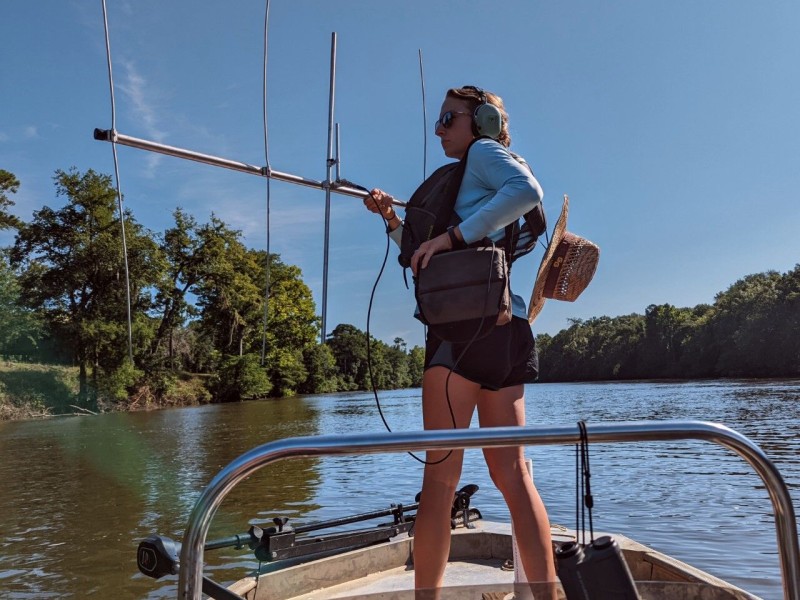
Special Photo: Stephen Golladay
By David Dixon
Special to The Albany Herald
ALBANY — This summer a team of graduate students at Auburn University has begun researching shoal bass in the lower Flint River watershed.
The shoal bass (Micropterus cataractae) is a species of black bass endemic to the Flint River and a few other watersheds in Georgia. It is a highly sought-after game fish because of its fighting ability and beauty. Recently it was named the official state riverine sportfish by the Georgia legislature.
Sometimes mistakenly called smallmouth bass, anglers from all over the world have traveled to the Flint to try their luck catching the “shoalie.”
The adult fish live in or near the many rocky shoals along the entire length of the Flint River, and they have also been seen on several of the larger creeks in this area that have shoal habitat. While quite a bit is known about the adult fish, in reference to where to fish for them, less is known about their life cycle. Graduate students Jamie Rogers and Dan Bryant are starting research to collect more information to improve knowledge on how these fish live.
The researchers are in the School of Fisheries, Aquaculture, and Aquatic Sciences at Auburn. They are working under the guidance of Stephen Golladay at the Jones Center of Ichaway, Steve Sammons at Auburn, and Shannon Brewer of the USGS Alabama Cooperative Unit. The research is funded by the Georgia Department of Natural Resources and the Jones Center at Ichauway. It is a collaboration between Auburn University, the Jones Center at Ichauway, the Georgia Department of Natural Resources, and the USGS-Alabama Cooperative Fish and Wildlife Research Unit.
Their research this summer has centered on two portions of the fish’s life cycle: Where are the juveniles found and what is the travel pattern of the adult species?
“We are using radio telemetry to track adult shoal bass and largemouth bass movement between Albany and Bainbridge,” Rogers said. “This involved implanting radio transmitters into fish in February of 2022. We will continue tracking them until May of 2023 to see what areas of the river are important for their continued survival.
“Additionally, GADNR has been working to put anchor tags into hundreds more bass in the river that instruct anglers that catch them to report the data back to researchers. This will help us understand how many fish are harvested and also can help inform fish movement data.”
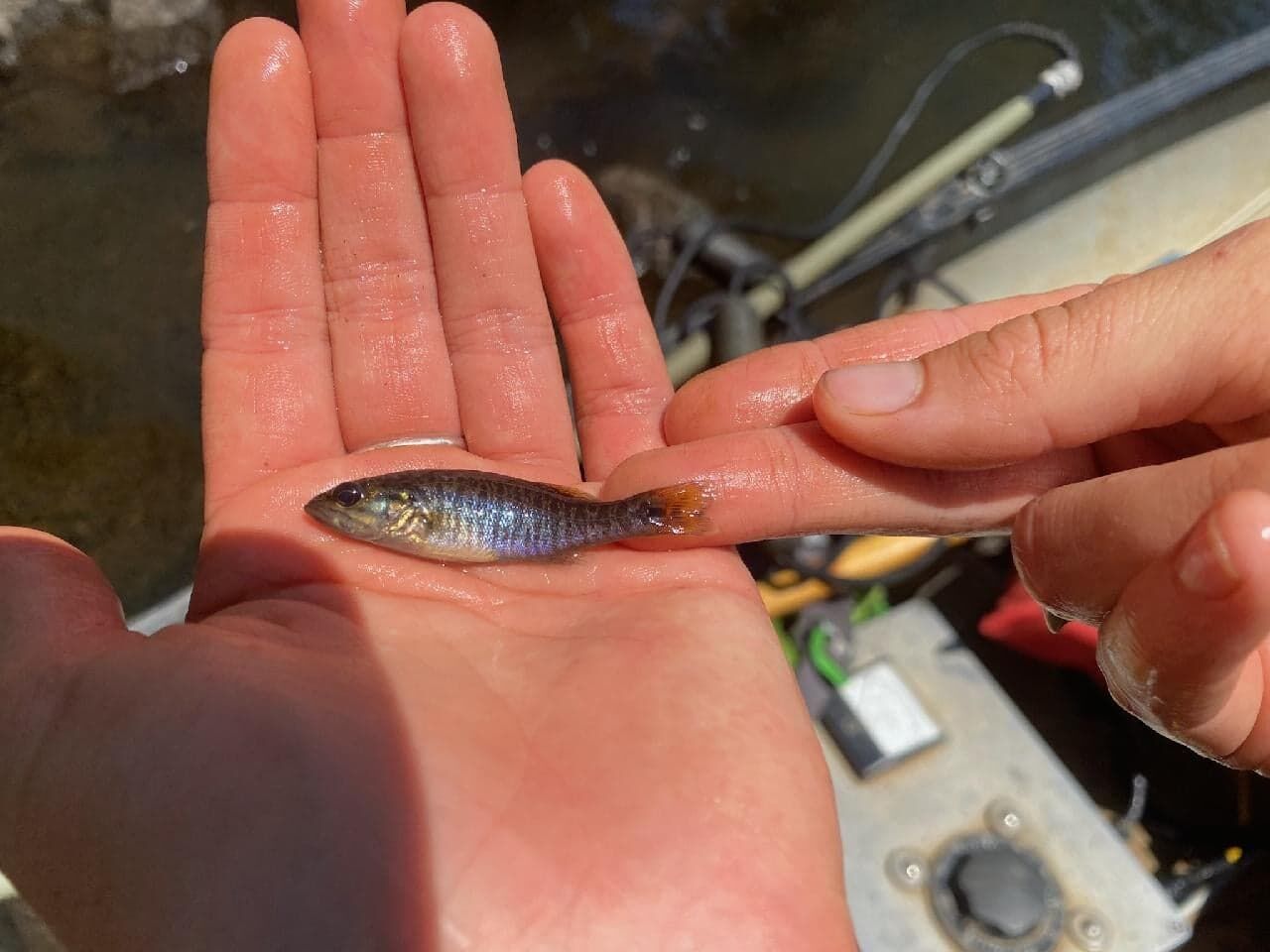
Juvenile shoal bass have been recorded in the Muckalee Creek, Ichawaynochaway Creek and the Flint River. The collection of the small fish in the Flint River at the Abram’s Shoals area below the Highway 32 Bridge, yielded more than 100 fish. The collections on the feeder creeks have so far been in the single digits; however, researchers it has been exciting to document actual reproduction in the creeks. Additional tributaries like the Kinchafoonee and Coolewahee creeks also are being examined in reaches where shoal habitat is found.
Team members say they are grateful to all the organizations, student assistants from Auburn, local residents, and especially land owners who have provided water access for their research.
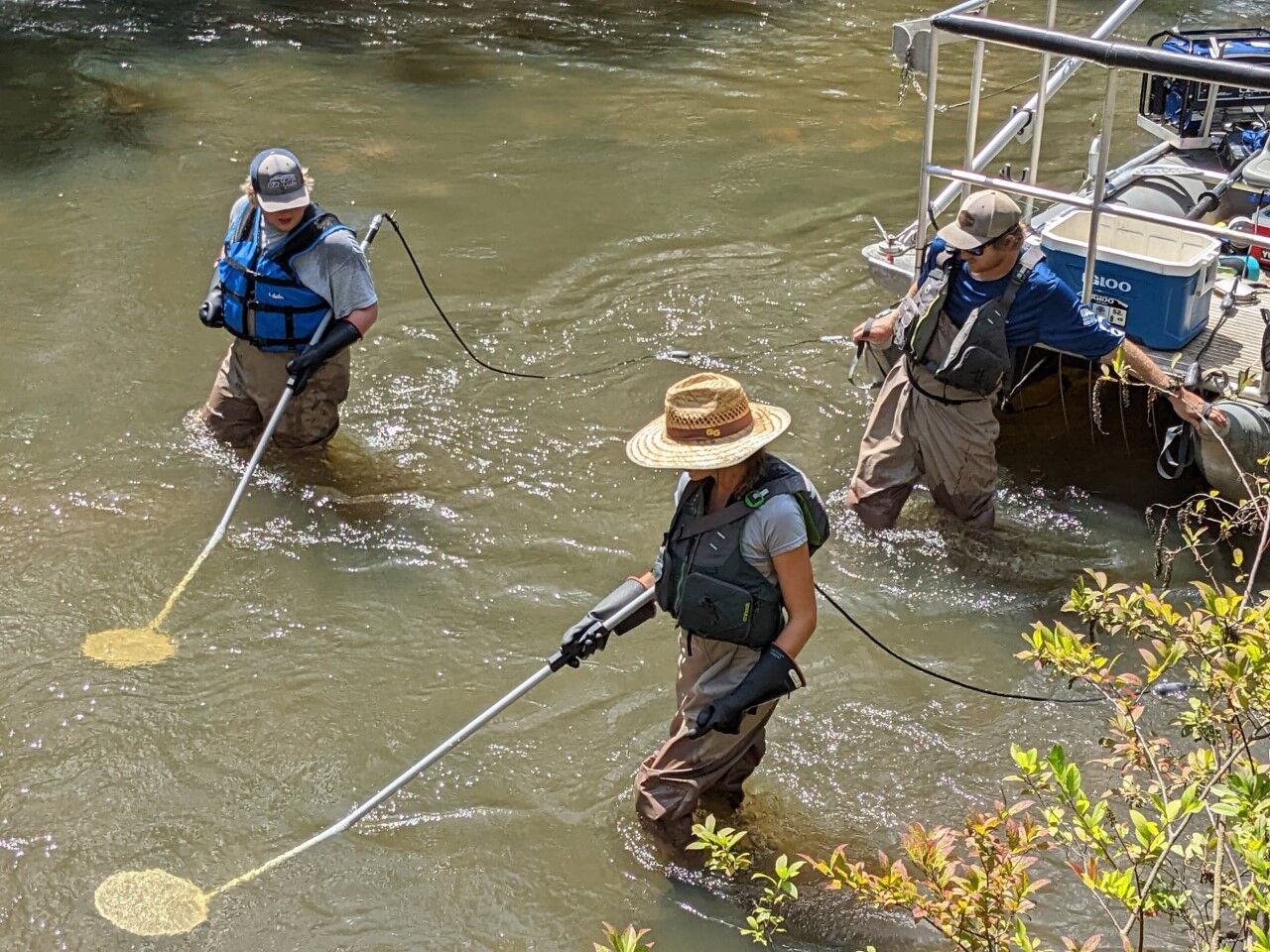
Collecting the fish is normally done by shocking the water in a small area. The stunned fish float to the surface to be tagged or collected by the researchers. Additionally seining and other techniques are employed. The researchers operate from a specialized research boat, while also wading or snorkeling around the shoals to locate the fish. Because no data were available for the juvenile fish up to this point, many of the juvenile specimens will be taken back to Auburn for age and growth analysis.
At the end of this two-year project, the team aims to have a lot more knowledge of the life history of the shoal bass in the Lower Flint River.
Author

Related Articles

Foreclosures jump 52.9% across the region as buyers regain negotiating power
In Dougherty County, the number of residential properties advertised for foreclosure has nearly doubled this year. In neighboring Lee County, developers are preparing to add hundreds of new houses and apartments, including homes aimed at buyers who have struggled to find newer housing at an attainable price.

Terrell County school board calls special meeting to consider CFO consulting services
The Terrell County Board of Education will hold a special called meeting Tuesday to consider hiring outside financial consulting services as the school district continues work on its finance operations.
The meeting is scheduled for 5 p.m. Tuesday, Aug. 25, in Room 107 of the Terrell County Board of Education office, 761 First Ave. SE in Dawson.
Developers bet on demand for smaller homes, apartments in Lee County
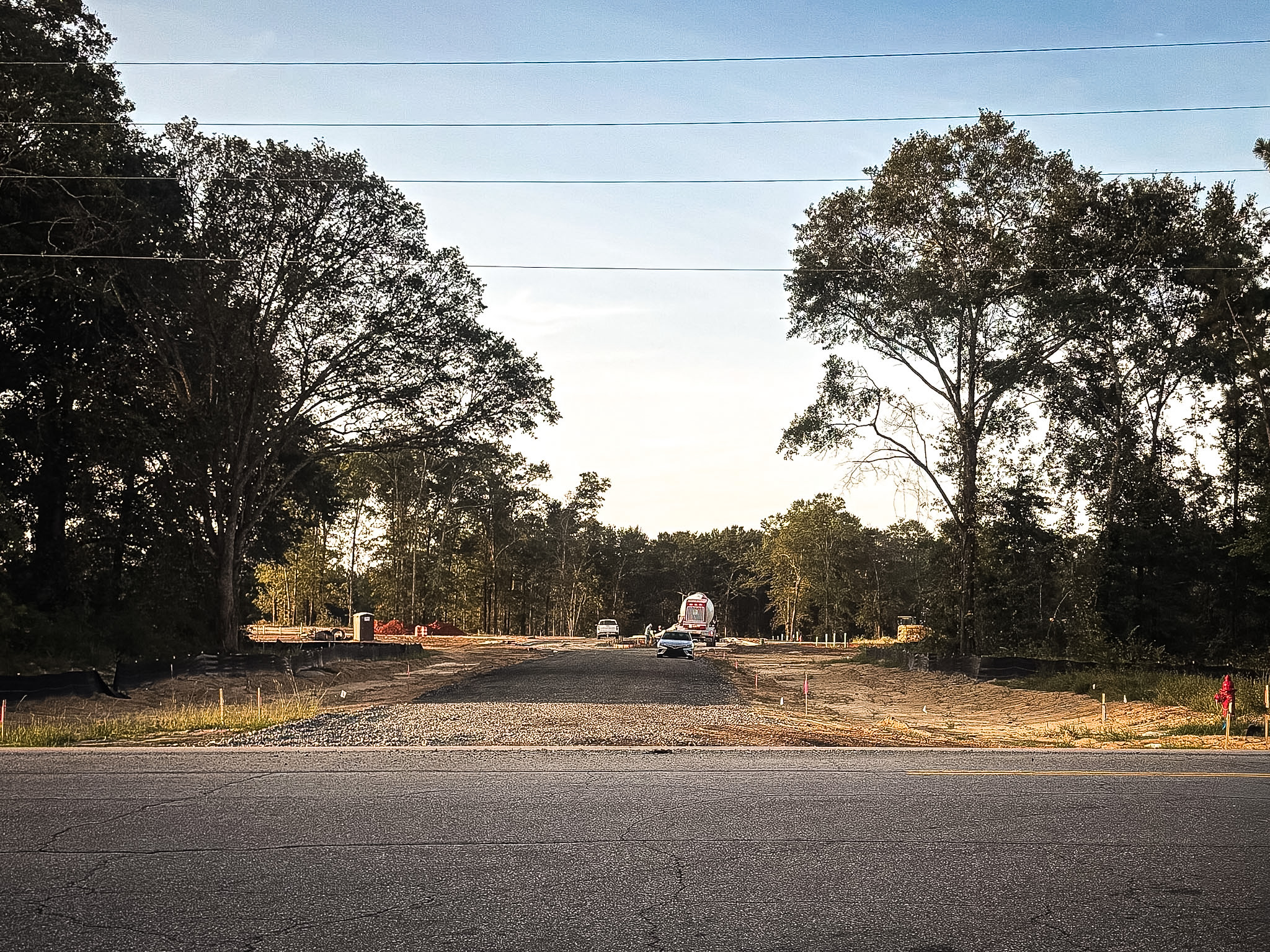
Two residential developments moving forward in Leesburg will add hundreds of new housing options in Lee County over the next few years, with developers saying they are targeting a market they believe has been underserved: young professionals and small families looking for newer housing they can afford.
