Many factors impact the housing market, which can make purchasing a home difficult for anyone. Consider the effect the COVID-19 pandemic has had on the housing market throughout the past couple of years, for example. Nearly every market in the country has experienced a housing shortage, and home sales and prices are through the roof.Competition among home buyers is stiff, and in many markets, buyers have to offer well over asking price to have their offers considered by sellers. But while the pandemic has had a vast impact on housing in the United States, the good news is that it’s an anomaly—one that isn’t likely to occur again in the near future.While the housing market can be somewhat unpredictable, real estate doesn’t have to feel like a gamble for any home buyer. If you’re looking for ways to determine whether the housing market is healthy, Fund That Flip compiled a list of 10 signs of positive growth from multiple real estate websites you can use to measure the market. From a low rate of distressed properties to decreasing mortgage rates and increasing home prices, these signs can help you wade through the murky waters to determine whether the housing market is healthy. Here’s what you should know. FotosForTheFuture // Shutterstock
Fund That Flipcompiled a list from multiple real estate websites of 10 signs of positive growth you can use to determine whether the housing market is healthy.
FotosForTheFuture // ShutterstockLucy Autrey Wilson // Shutterstock
When starter homes are in high demand, it’s a clear sign the real estate market is on the right track. When the housing market is iffy, young and first-time would-be home buyers typically opt to rent instead of purchasing a home. But when the housing market is strong, young people will feel confident buying starter homes, which are typically small, affordable houses or condominiums. This causes an uptick in competition for these types of homes, which usually go under contract in a matter of days in a healthy housing market. When the economy is healthy, starter homes in attractive neighborhoods with the right price tags will sell within a one- to two-month period—which is extremely fast for a home sale.
Canva
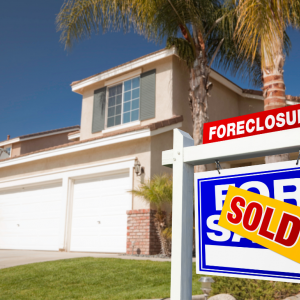
When the housing market is healthy, there are fewer foreclosures and short sales—or other types of distressed home sales—on the market. When the market is in bad shape, there will typically be an abundance of distressed and foreclosed homes listed for sale. This happens because homeowners have a harder time finding buyers to purchase their homes, which can lead to financial distress and an inability to pay their mortgage notes on time—or at all. On the other hand, when there are just a handful of distressed properties for sale, it’s a sign the market is healthy. There are plenty of buyers to purchase the properties listed for sale, and homes go under contract quickly. This leads to less financial stress on sellers who are able to offload their homes to the next owner in record time.
Rawpixel.com // Shutterstock
Home prices don’t increase in a poor housing market—they decrease to attract new buyers as homes sit on the market for months or years at a time. In a healthy housing market, the asking prices will typically increase, and in some cases, they do so rapidly. The more demand for housing from buyers, the greater the amount that homeowners can ask for their homes. This keeps the asking prices increasing over time, allowing sellers to capitalize on the ongoing demand for homes to purchase. That said, in a healthy housing market, the home prices will increase at a moderate but steady pace—not too slowly and not too quickly. If the housing prices increase or decrease rapidly, it can be a sign of a less than healthy market.
Canva
Mortgage rates can be another indicator of a healthy housing market. When the market takes a downturn, lenders raise interest rates to recoup the losses from issues such as foreclosures, short sales, and distressed properties. Higher interest rates mean more money for the lenders when home sales are slow and losses from the tough housing market are high. On the other hand, when the housing market is healthy, buyers tend to offer larger down payments and have better borrowing profiles, reducing the risk for lenders. Lenders can offer lower interest rates because the risk of mortgage loan default is much lower. This helps to further stimulate the housing market as more buyers opt to capitalize on the savings they can get from low interest rates on home purchases and refinances.
Picsfive // Shutterstock
Are real estate companies growing and hiring? If so, it can be another sign of a healthy real estate market. Both buyers and sellers require representation by real estate agents, and real estate companies will hire more agents to keep up with the increased demand in a healthy market. The opportunity to make hefty commissions also tends to draw in new agents and real estate professionals—so seeing new agent faces on those “for sale” signs and open agent jobs are signs that the market is thriving. Conversely, a market downturn generally leads to low earning potential for agents, who earn the bulk of their income through commissions when buying or selling homes. This leads to real estate agents throwing in the towel, as well as a decrease in active hiring by real estate companies.
Nick Starichenko // Shutterstock
High rates of unemployment have a direct impact on the housing market. When unemployment rates are low, there is more money for consumers to put back into the economy—and this includes the housing market. Buyers who have stable employment are generally able to save more money for their down payments and feel confident about making big financial moves, like home purchases. When unemployment rates are high, however, consumer confidence tends to be low. Home purchases seem more risky to would-be buyers when the job market is tenuous. In turn, there tends to be an uptick in demand for rental properties, as would-be buyers opt to put off home purchases and rent housing instead.
Canva
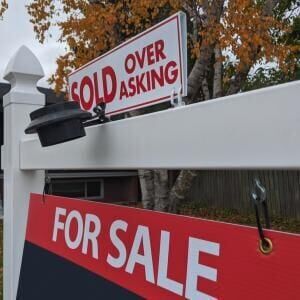
Contrary to popular belief, a lack of “for sale” signs is a good indicator that the housing market is healthy. Houses tend to sit on the market for much longer than they otherwise would in a housing market decline. This leads to the signs sitting in yards for months on end as sellers wait for buyers to make offers on their homes. When the housing market is healthy, however, houses tend to go under contract very quickly—which means that the “for sale” signs sit in yards for much shorter periods of time. When you spot a large number of these signs in your neighborhood, it generally indicates that there is a surplus of homes for sale and the market is experiencing a downturn. When there is limited inventory, you’ll spot fewer signs, as homes fly off the shelves shortly after being listed.
vectorfusionart // Shutterstock
The more people who can afford to buy a home, the better off the housing market. A healthy housing market is filled with buyers who can afford to buy homes—and unhealthy housing markets have a limited number of buyers who can afford to purchase homes. One way to track whether buyers can afford to make home purchases is by looking at the National Association of Realtors’ Housing Affordability Index. This index tracks the median income of certain-sized families to determine what percentage can afford to purchase a home. The higher the percentage of families who can afford to purchase a home, the lower the income requirement for mortgage qualification. In turn, the higher the index percentage, the more buyers will be actively looking for homes to purchase, which indicates a healthier housing market.
Elena Berd // Shutterstock
The list-to-sale ratio is a metric used by real estate professionals to determine whether homes are selling for more or less than the asking price. The list-to-sale ratio is calculated by dividing the actual sales price by the final list price. The resulting number is the list-to-sale ratio, and the higher the ratio, the healthier the housing market. In general, a healthy real estate market has an overall list-to-sale ratio above 100%. That’s because homes in healthy markets tend to sell for full or above-asking price. When the list-to-sale ratio is below 100% in a market, however, it’s an indicator that the demand is not as high as it should be from buyers.