
Albany Convention and Visitors Bureau sees light at the end of the tunnel
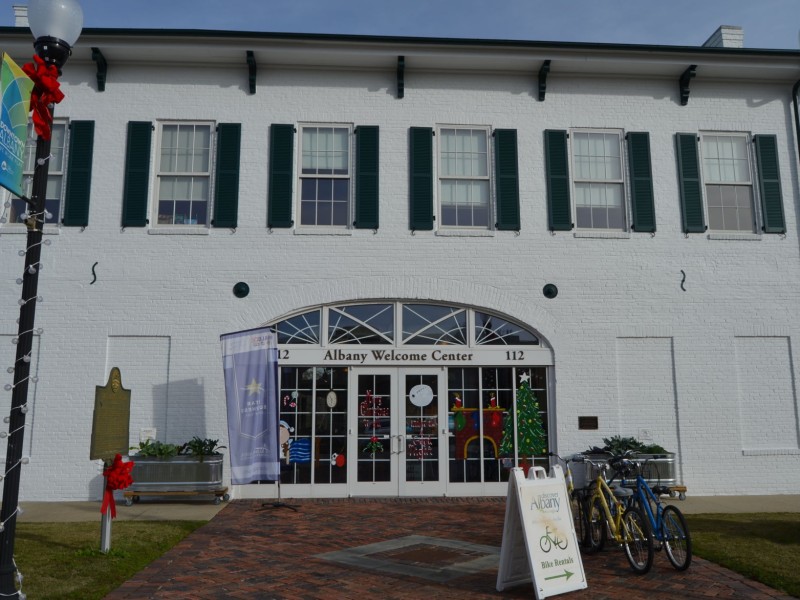
File Photo: Alan Mauldin
By Alan Mauldin
[email protected]
ALBANY — As businesses go, few have been hit as hard as places of lodging during the COVID-19 pandemic, which has caused the cancellation of business conferences, concerts, many sporting events, and other events both large and small.
In Albany, hotels and motels fared somewhat better than those in other communities in the state, and that was actually owing to the influx of medical professionals who came in to help during the worst of the pandemic.
In Albany, hotel occupancy was at 57 percent for 2020, down 19 percent from the previous year, but better than the statewide average of a 39 percent reduction in occupancy, said Rashelle Beasley, director of tourism at the Albany Convention and Visitors Bureau.
“We had traveling nurses coming in,” she said. “With the nursing shortage, you had nurses coming in from all over — Oklahoma, New York in the early days. Because of Phoebe (Putney Memorial Hospital) being overwhelmed, not just with COVID patients but the normal patients, they had to increase the number of staff at a very quick rate.”
The CVB pitched in, helping to welcome those medical professionals, some of whom stayed for periods of up to 13 weeks or even six months, by such activities as presenting gift bags and providing other services.
The hotels themselves assisted as well, adjusting rates to help the workers whose allowances for lodging were not as great as the average cost of a room, Beasley said. The hotel staff also, when possible, established separate sections for day and night shifts to provide quiet accommodations.
“We delivered a lot of welcome bags,” Beasley said. “We also fed a lot of our hotel staff, who were working around the clock. Some of our hotel managers weren’t even going home.”
The CVB also marketed Albany as a destination where visitors could participate in numerous outdoor activities available in a more rural setting. It also worked to market through travel writers and bloggers during this period, landing mentions in major publications and websites.
“It was over $2 million in media (benefits),” Beasley said.
One hopeful sign is that although many entertainment and festivals could not be held in 2020, organizers have not given up. Economic losses due to not holding those traditional events was estimated at $6 million over the year.
“We are happy to say 90 percent of our events were rescheduled for this year, if they can be carried out safely,” Beasley said.
There also is a sense of hope around the country that with the arrival of vaccines and the appearance of warmer weather, the current spike will begin to dissipate.
“Our big thing is going to be in the summertime with our reunions and family reunions, where we will be able to promote during the summer not only our hotels but the outdoor activities,” Beasley said. “The fact that we are about to continue to host events or reschedule events, we hope we will be able to do these in April.
“It’s important for our economy, but it’s also important to our community. It also will show we’re at a turnaround point.”
Author

Related Articles
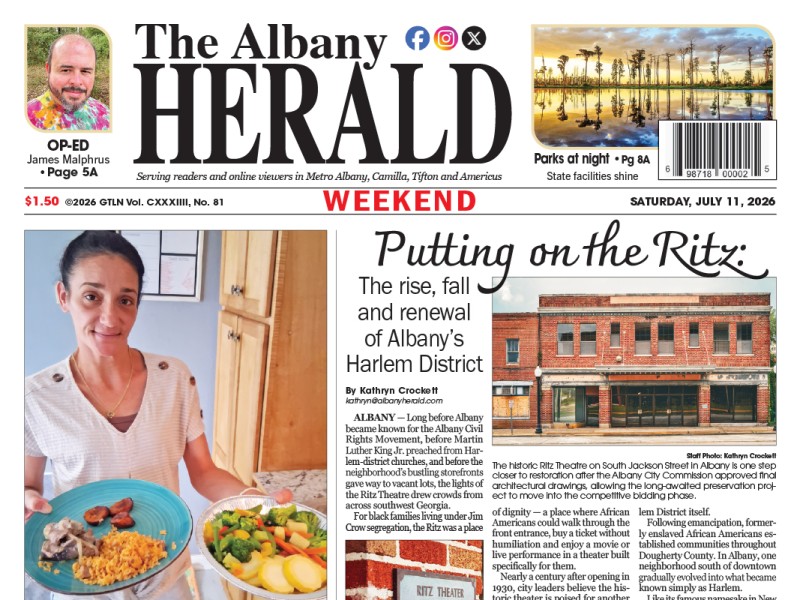
Albany Herald – July 11, 2026
Putting on the Ritz… Food, mini menagerie provide… Albany City Commission set to vote on… Following Lee’s lead, Terrell County hits…

Classifieds – July 11, 2026
Albany Classifieds and Legals: Real Estate; Merchandise, Misc…
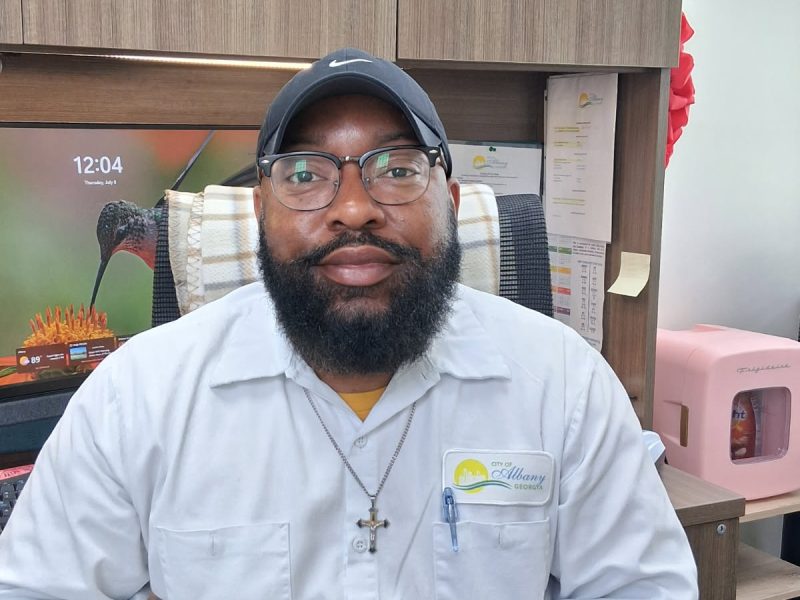
Small actions can help save big on utility bills
The high temperatures of July and August can bring scorching utility bills as air conditioners hum to keep houses cool. Albany Utilities Residential Conservation Auditor Willie Jackson offered some tips on making summer cooling bills more manageable.
