
Albany history unearthed during excavation at construction site
Special Photo
By Alan Mauldin
[email protected]
ALBANY — An archaeological study group’s dig into Albany history this month turned up some common objects that could give a richer understanding of the everyday lives of the city’s black residents.
Some of the items excavated at the construction site of a new city transportation center could date as far back as the 1880s or earlier.
“I’m really happy with the data we recovered, and we’re going to be able to learn a lot about the inhabitants,” said Anne Dorland, an archaeologist with New South Associates. “It’s a great site.”
U.S. Census records indicate the location, which sits within the Albany Freedom Historic District that includes the city’s old Harlem District, was a residential area as early as 1885 and may have been in use before that time, Dorland said.
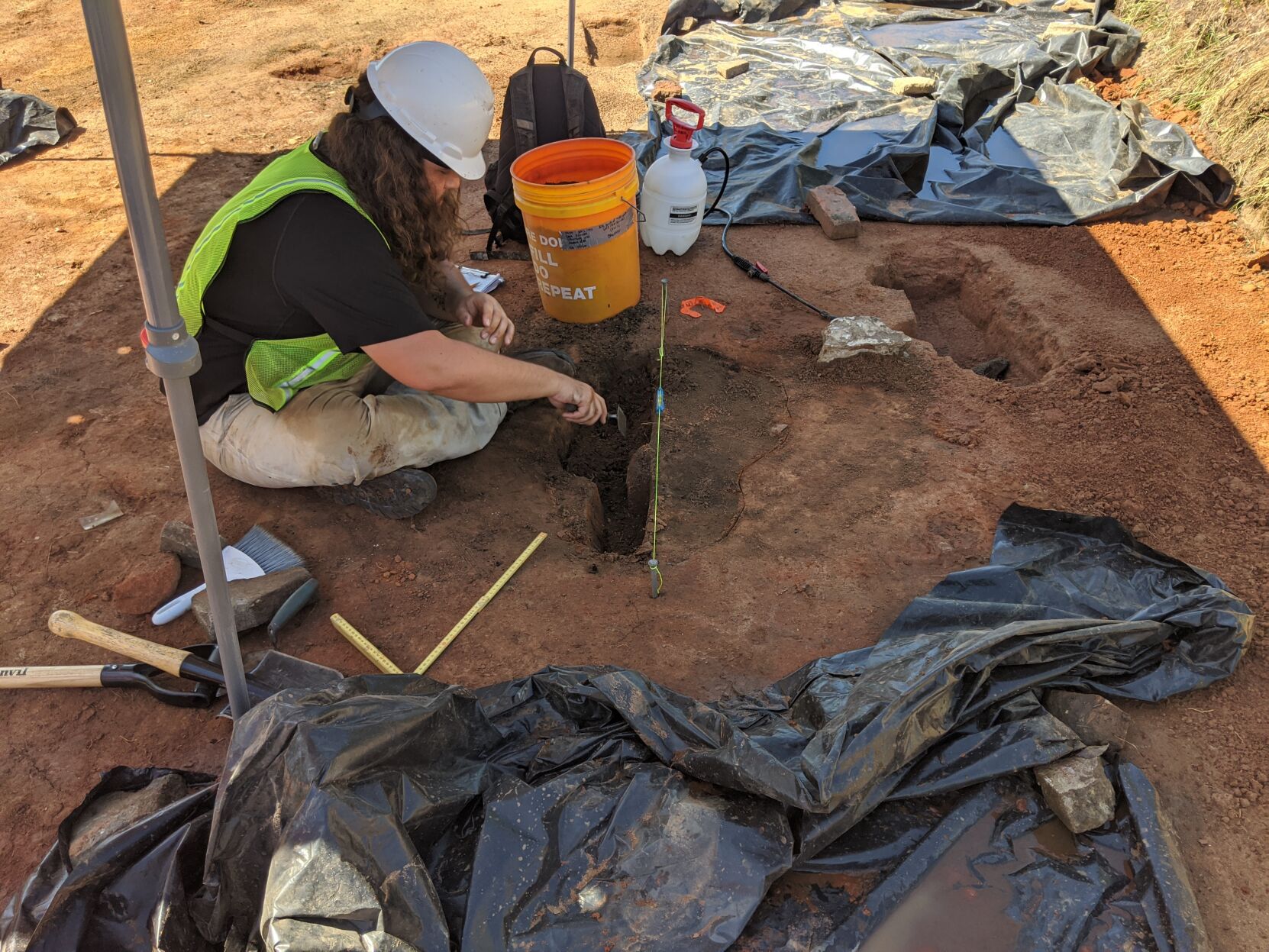
After a week of removing topsoil with the assistance of the contractor, the group identified archaeological features indicating the presence of artifacts.
The focus was on an area that included the backyards of the earliest black residents, an area that later housed businesses, a warehouse and later the Trailways and Greyhound bus stations. It included outdoor kitchens, which were in use at the time, outhouses and areas where residents piled and burned trash.
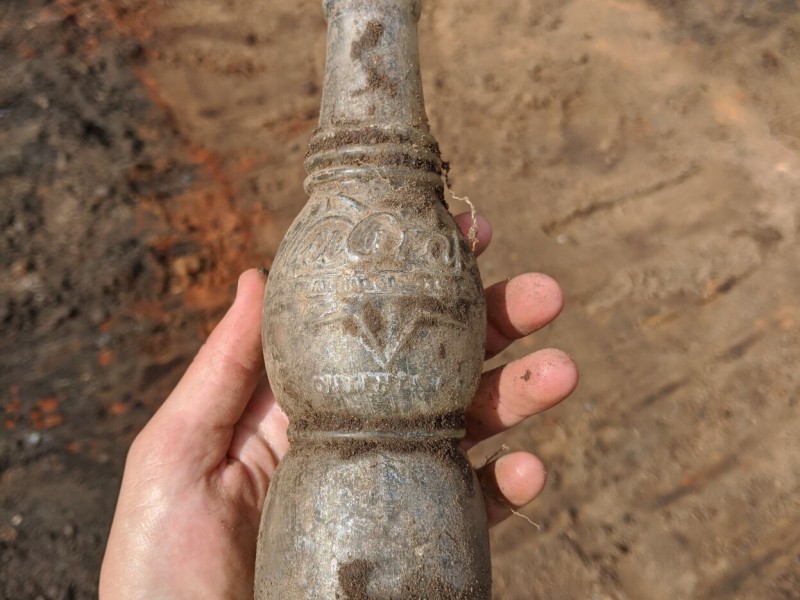
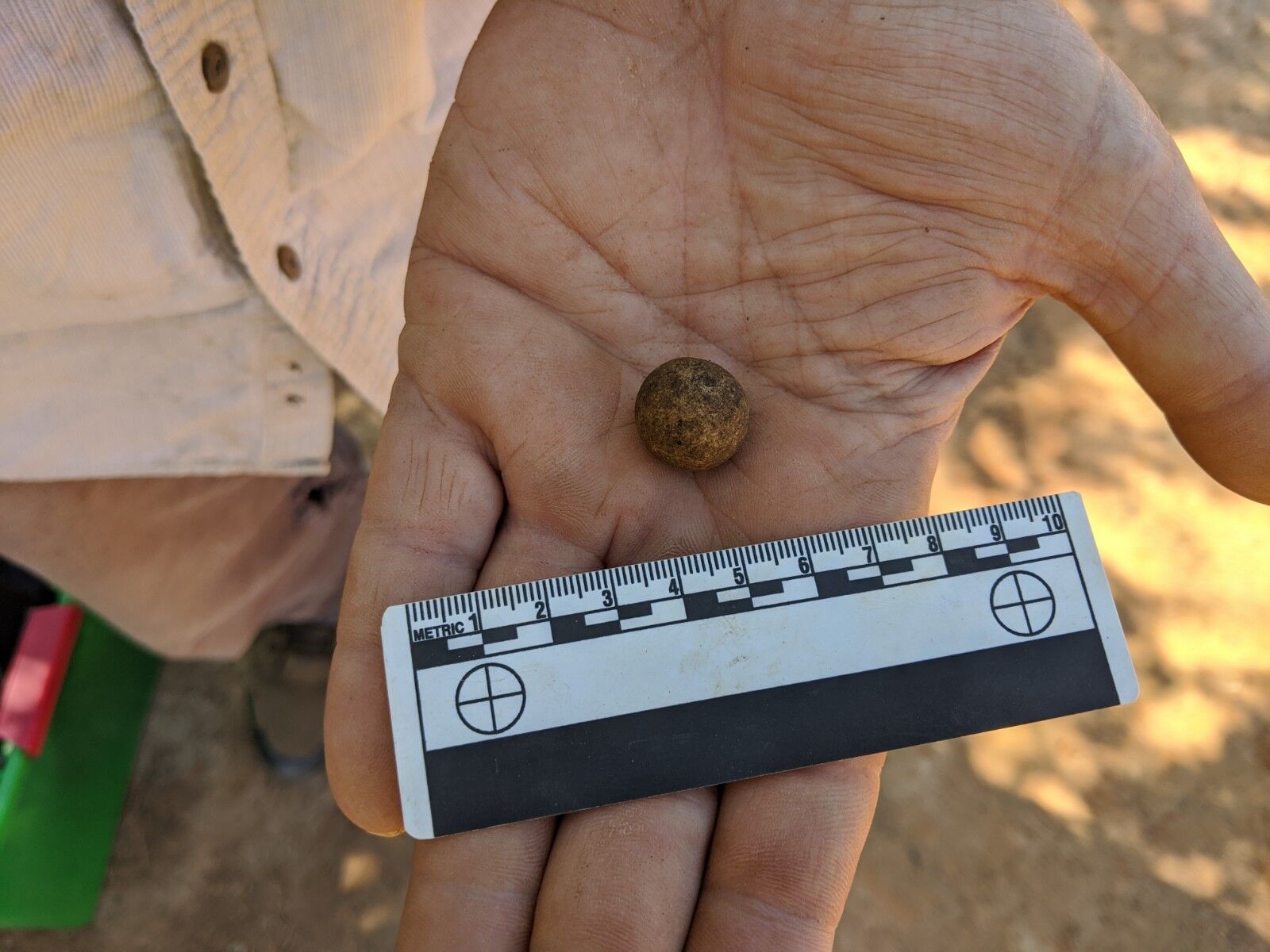
“We found a wide variety of artifact types, including glass items — containers, bottles, many (from drinks) that were bottled here in Albany,” Dorland said. “We found glass marbles, items categorized as toys.
“We know how many residents were there throughout the late 1800s, but we don’t know how many families were there.”
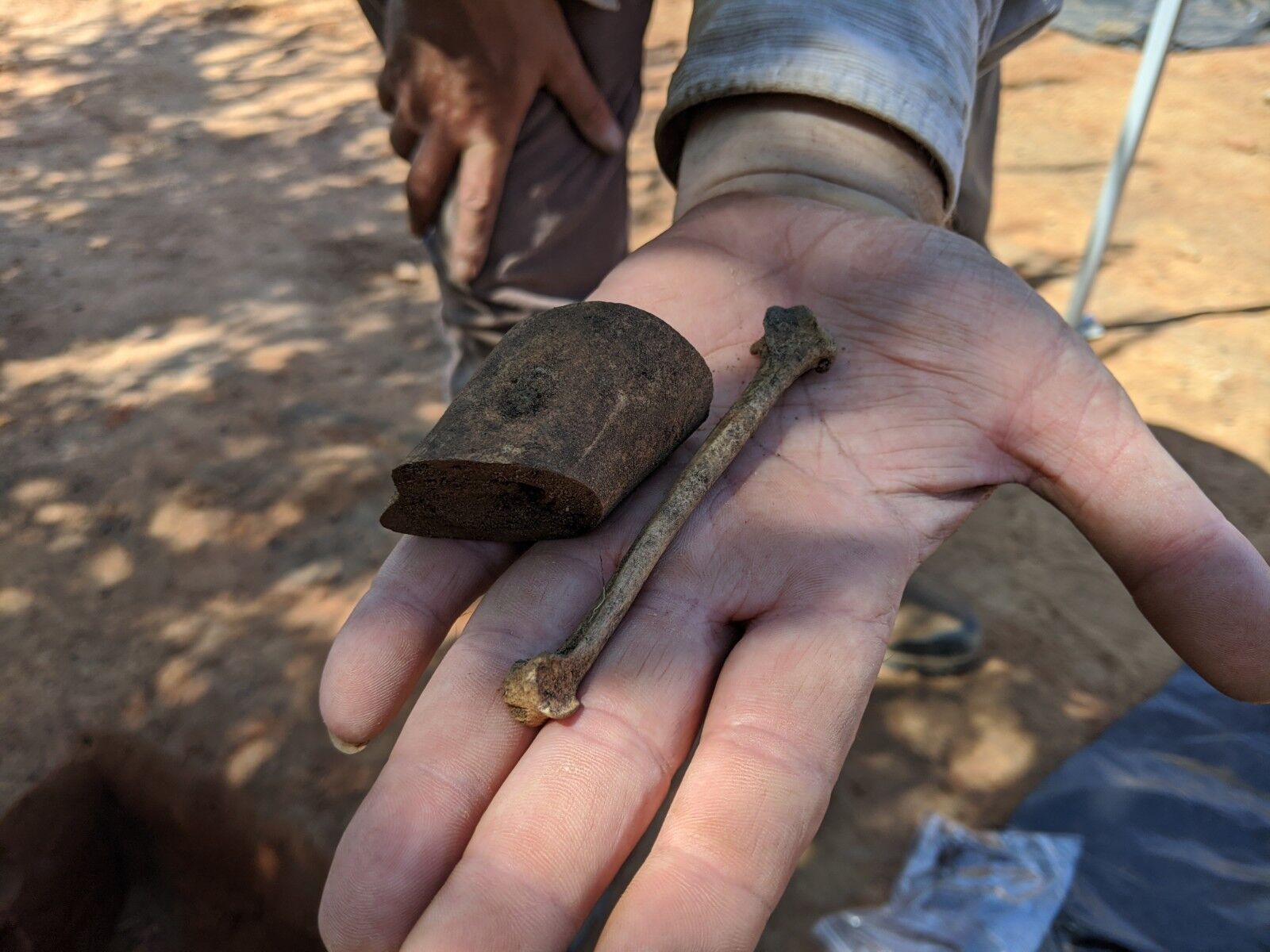
Dorland also got a look into the diets of those residents in the form of animal bones. Seeds and nut shells were also part of the haul. Home-made bricks, nails and other construction materials used in an earlier time also were unearthed, as were cutlery items and pieces of plates and bowls.
All of the artifacts will tell a story, which will be made available online.
Ordinarily such a dig would include a day for the public to come out and examine the site, but due to the novel coronavirus an online virtual tour is being produced instead. Dorland said she could not immediately give an opinion about how far back the earliest items date. Laboratory work will help date the material.
“I am excited,” she said. “Wouldn’t it be exciting if we found a century of activity on that site?”
Information about the work so far can be found at www.facebook.com/Archaeology-at-the-Albany-Transportation-Center-108453897596790/?fref=tag.
After the fieldwork, analysis, and reporting are complete, a public website will present the findings and conclusions.
In addition to the excavation, the project also will include a report of oral histories of current and former residents.
Those wishing to be interviewed for the project can contact Velma Fann at (770) 498-4155, ext. 126.
The oral histories will delve into the civil rights movement history of the area, including 1961 sit-ins at the Trailways station in the 1960s.
Author

Related Articles

‘Tell them ordinary Americans did extraordinary things’
Twenty-five years to the day after the Sept. 11 terrorist attacks, veterans and their families gathered Friday at Veterans Park to dedicate a monument to those who served in the Global War on Terror.

‘Into the Woods’ cast, production team
Theatre Albany will present six performances of “Into the Woods” over the next two weekends.

State superintendent: Lee County High firefighter certification program a model for Georgia
Georgia State School Superintendent Richard Woods said Thursday that a new partnership training Lee County High School seniors to become certified firefighters could serve as a blueprint for school districts across the state.
