
Bishop co-sponsors legislation that would address ag issues
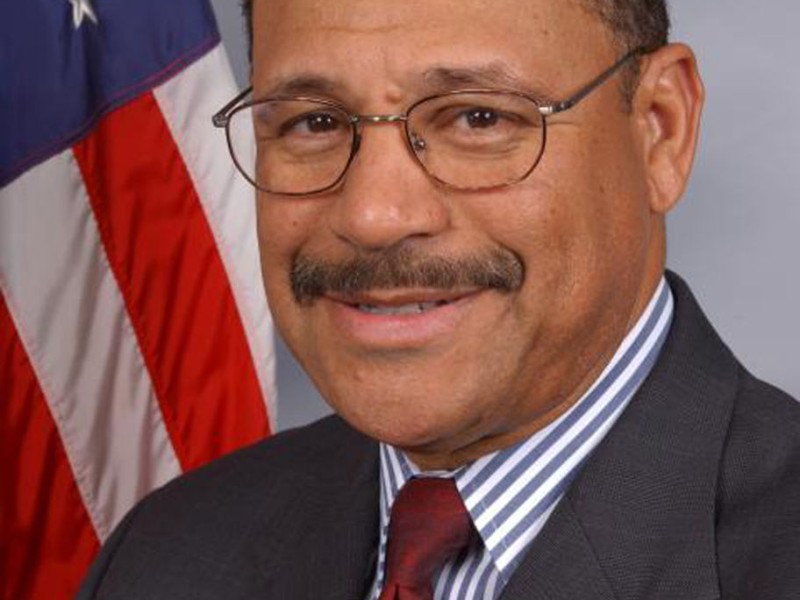
Sanford Bishop
File PhotoFrom staff reports
WASHINGTON — Congressman Sanford D. Bishop Jr., D-Ga., and Congressman Scott Franklin, R-Fla., have introduced H.R. 4162, the Land Grant Research Prioritization Act. This bipartisan bill would provide land grant universities with dedicated access to existing U.S. Department of Agriculture grant funding to enhance artificial intelligence, mechanization, and other research to develop solutions to the challenges facing America’s agricultural producers.
Sen. Marco Rubio, R-Fla., plans to introduce companion Senate legislation.
“We rely on America’s farmers to produce the safest, most abundant, and affordable food, fiber and materials,” Bishop said. “Yet they face many challenges such as supply chain resiliency, work force capacity, input costs, coping with invasive species and pests, as well as the fallout of climate change. We must ensure that we are on the cutting edge of technology that can assist our farmers and producers.
“For over a century, land-grant institutions — like Fort Valley State University — have been at the forefront of research, development and extension which has allowed U.S. agriculture to thrive. I am pleased to work with Congressman Franklin through this legislation to harness the power of our 1862 and 1890 land-grant institutions to explore how mechanized harvesting and artificial intelligence can help improve U.S. agriculture.”
“As the global population increases, it’s more important than ever that agriculture is equipped to incorporate technology into our work,” Nick Place, dean of the UGA College of Agricultural and Environmental Sciences, said. “This kind of effort ensures that agricultural innovation remains at the forefront of our research efforts — technology is continually advancing to address significant needs in agriculture, and our ability to understand and utilize that technology is critical. An increased emphasis on development and evaluation of these technologies will enable agriculture to continue feeding the world in a safe and sustainable manner.”
“Advancements in mechanization to make our farms and work forces more efficient are sorely needed to level the playing field for U.S. growers,” Chris Butts, vice president of the Georgia Fruit and Vegetable Growers Association, said. “Our land grant universities are uniquely positioned to foster development of these technologies and help bring these advancements to our growers.”
Land grant institutions, like the University of Florida, the University of Georgia and Fort Valley State University, are leading the way in developing AI applications for agriculture. The current grant system does not provide land grant universities with dedicated access to funding for this critical research. H.R. 4162 amends the Food, Agriculture, Conservation and Trade Act of 1990 to direct the USDA to prioritize AI, mechanization, and other relevant research, to address a declining work force, increasing costs, and other demands facing agricultural producers.
This bill would create four new lines of research within the National Institute of Food and Agriculture, allowing land grant institutions to apply for competitive grant funding. However, the bill does not mandate an increase in overall, top-line spending.
Other groups supporting H.R. 4162 include the Florida Citrus Mutual, Florida A&M University, Georgia Pecan Growers Association, Vidalia Onion Business Council and Georgia Blueberry Commission.
Learn more about the bill at Congress.gov.
Author

Related Articles

United Way of Southwest Georgia halts funding for regional restructuring
The United Way of Southwest Georgia plans to withhold typical funding for a whole year during a “restructuring” period.

Federal agency to investigate Monday paragliding fatality
The death of a 63-year-old man who was killed in a paragliding accident on Monday is under investigation by the National Transportation Board, according to Dougherty County Coroner Michael Fowler.
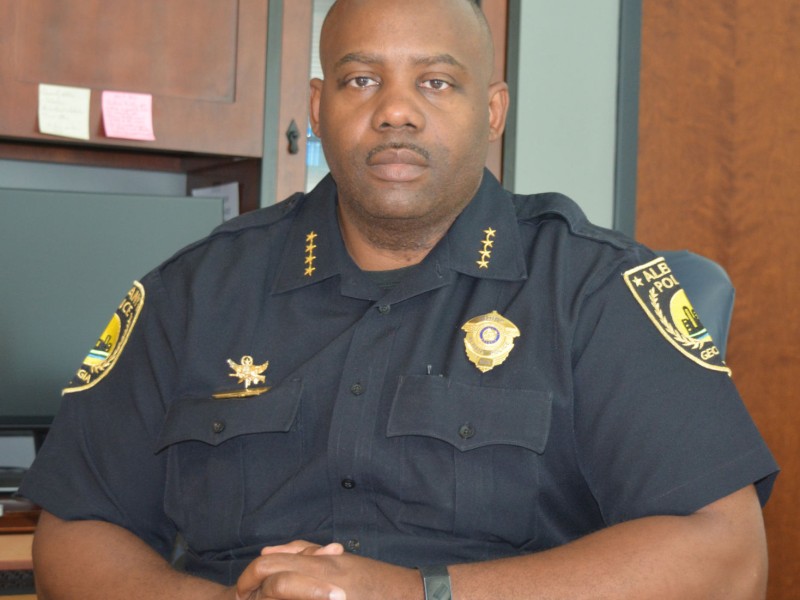
Audit of police surveillance cameras results in arrests of five former APD officers
“The bottom line is when we find people who have misused resources that they have, we’re going to hold them accountable. These resources help fight crime, but we will not tolerate when they are misused.”
