
Committee vote in U.S. Senate advances key wildlife legislation
File Photo
From staff reports
COVINGTON — The U.S. Senate Environment and Public Works Committee’s bipartisan vote to advance the Recovering America’s Wildlife Act brings the most significant wildlife conservation legislation in half a century one step closer to becoming law. The vote affirms that the bill, which will prevent extinctions by investing $1.4 billion in proactive, collaborative conservation efforts, is the right approach to addressing the wildlife crisis.
“This is an incredible opportunity to make a real difference in conservation funding in Georgia,” Mike Worley, president and CEO of the Georgia Wildlife Federation, said in a news release. “Frankly, it may well be the most important conservation legislation in the last 70 years.”
Ultimate passage of the Recovering America’s Wildlife Act will make Georgia eligible for $27.4 million annually to address plants and animals of significant concern. These priority species are identified in Georgia’s State Wildlife Action Plan.
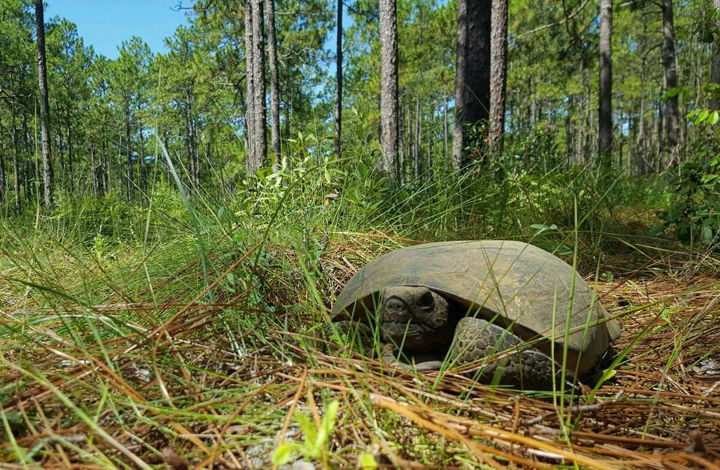
Currently, Georgia receives only approximately $1.4 million through state and tribal wildlife grants to attempt to conserve the 640 species on the SWAP. These species range from the Northern Bobwhite Quail to the Shoal Bass; from the Pocket Gopher to the Bottle-nosed Dolphin; from the Dwarf Sumac to the Monarch Butterfly; from the Gopher Tortoise to the Coosa Moccasinshell.
Nationally, the Recovering America’s Wildlife Act would:
♦ Invest $1.4 billion in dedicated annual funding for proactive, collaborative efforts by the states, tribes, and territories to recover at-risk wildlife species;
♦ Focus efforts on the 12,000 species of wildlife and plants, identified by state, tribal, and territorial wildlife managers, in need of conservation assistance in their federally-approved State Wildlife Action Plans;
♦ Devote $97.5 million each year to tribal nations’ proactive wildlife conservation efforts on tens of millions of acres of land;
♦ Provide a one-time investment in funding that will focus specifically on addressing the backlog of endangered species recovery work;
♦ Spend at least 15 percent of the resources on recovering threatened and endangered species.
“There is an extinction crisis in our world, in our country and in our state,” Worley said. “We can make a difference in Georgia by encouraging our members of Congress to press for passage of the Recovering America’s Wildlife Act.”
Interested citizens can contact their U.S. Senators and Representative to voice concerns at www.camocoalition.org.
Author

Related Articles

Terrell County invites community to celebrate Independence Day with July Fest
Families from across Southwest Georgia are invited to gather in Dawson on July 4 for an afternoon of food, fellowship and fireworks as the Terrell County Recreation Department hosts its annual July Fest celebration.
DOT says delay in Oglethorpe Bridge opening should be brief
“We know it’s not going to be July 22. We don’t think it’s going to be much later than that.”

City of Albany has big July 4 celebration planned for Saturday
“It’s going to be a lot of moving and shooting them off in a short time. It’s going to be a big show.”
