
Dougherty Commission approves next step in controlling aquatic pests
File Photo
By Alan Mauldin
alan.mauldin
@albanyherald.com
ALBANY — Like Burmese pythons and iguanas, the invasive hydrilla weed got its start in the United States on purpose as it was a popular ornamental plant for aquariums that found a toehold in Florida.
The water weed that wreaks havoc on native wildlife and thrives in lakes and ponds and slow-moving streams is now present in the Southeast and many other states in the country.
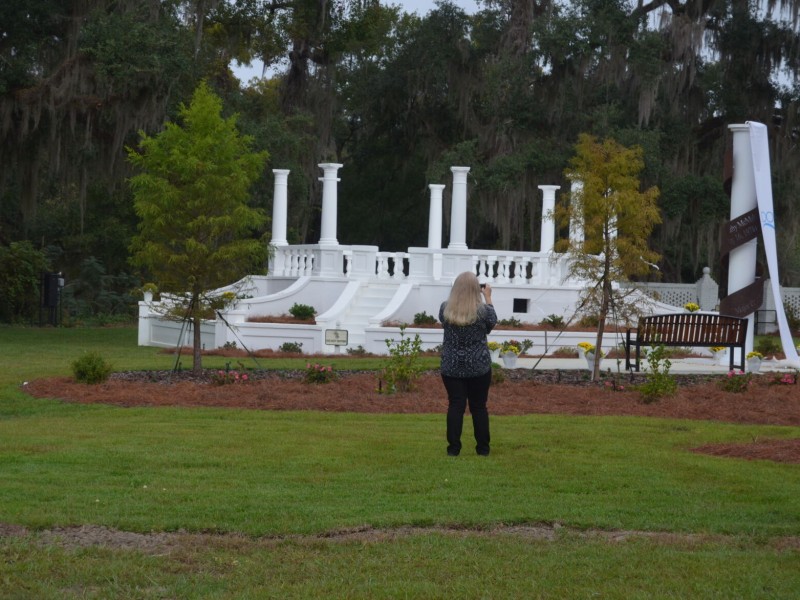
On Monday, the Dougherty County Commission approved the second part of a plan to help control the spread of invasive aquatic plants at Radium Springs with funding for dredging silt at Radium Springs around the blue hole and along Skywater Creek, which flows a short distance to the Flint River.
Commissioners unanimously approved the $20,000 contract with Stones Aquatic Weed and Algae Removal as part of ongoing plans to restore the former Radium Springs Casino area and park, which is part of an overarching recovery project for the area that includes a trail and other recreational projects.
In January, the commission approved a contract of $55,800 for removal of invasive aquatic plants. Funding for both will come from special-purpose local-option sales tax initiatives approved by Dougherty County voters.
The silt removal was the second phase of work recommended by Gary Burtle, a University of Georgia professor and aquaculture specialist made at a January meeting of the commission’s Recreation Committee.
The third stage will be application of chemicals meant to slow the growth of hydrilla.
“We’ve identified some potential herbicides,” Assistant County Administrator Scott Addison told commissioners. “We think it will be springtime when we will be coming back to you with herbicides.”
Dealing with weed growth through physical removal and herbicides is only part of the puzzle, Commissioner Clinton Johnson, who chairs the Recreation Committee, said. Another group is working to reduce water usage in the area to keep an adequate spring flow discharging from the blue hole.
The plants are better able to thrive when the water level drops around the spring, Johnson said during a telephone interview after the meeting..
Ultimately, the goal is to help restore the blue hole and Skywater Creek as the commission works to preserve and renovate the area for those who fondly remember the old Radium Springs and for future generations, Johnson said.
“Investing in quality of life has been a goal for us, giving people something to do,” he said. “We’re hoping we’ll get some events, weddings, a farmers market, weekend festivals going. Those are the kinds of things we’re trying to promote.”
Radium Springs also is an economic driver as it brings tourists to the area. Some of those drive the adjacent Dixie Highway, a former state thoroughfare, Johnson said.
“The last time I was out there, there were people from all over Georgia, all over the Southeast just enjoying the springs,” he said.
Commissioners also approved $53,000 for resurfacing the gravel walking track at Overlook Park, which is part of the Radium Springs connector trail. The trail starts at the former golf course site, and plans are for it to eventually connect with downtown Albany.
Author

Related Articles

Albany Herald – June 13, 2026
ATC student earns bronze medal at National SkillsUSA competition… Albany Commission eyes another draft at downtown brewery… PUBLIC OPPOSITION SINKS PROPOSED LEE COUNTY SOLAR FARM…

Classifieds – June 13, 2026
Moving Sale: Sat June 13th, 8am-12pm. 265 Brenda Lane, Albany. Large Variety of Items.
Tenants in Albany apartments face eviction
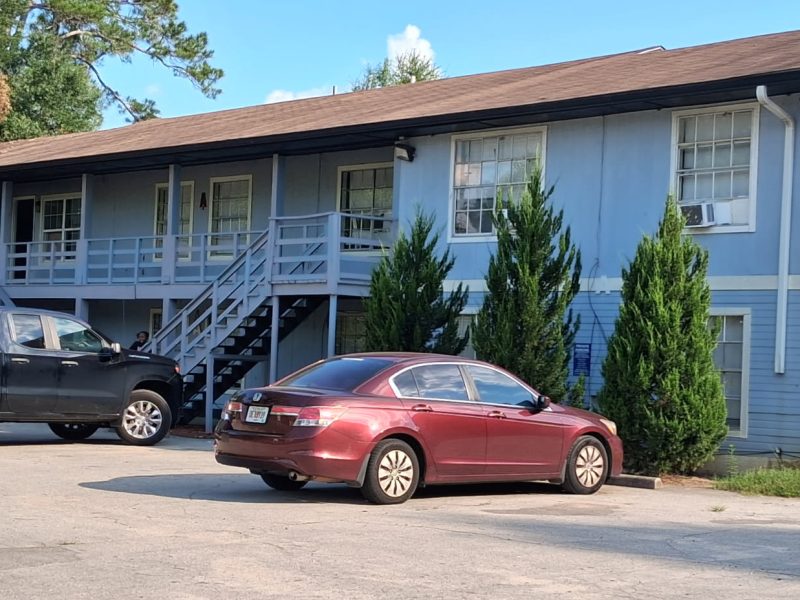
Residents at Cornerstone apartments, located at 608 Moultrie Road, said that eviction notices were placed on the doors of all of the units this week, giving them three days to pay two months’ rent or face being removed in three days. Tenants said they were confused to whom rent should be paid and are frustrated by the living conditions at the complex that is more than 50 years old.

