
Dougherty County commissioners consider jail surcharge fees to pay costs of facility
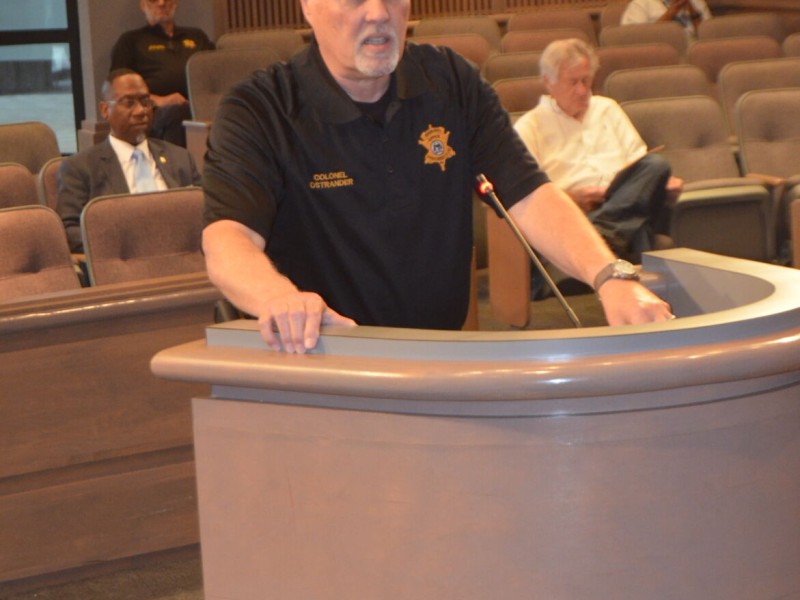
Staff Photo: Alan Mauldin
By Alan Mauldin
[email protected]
ALBANY — The Dougherty County Sheriff’s Office is asking county commissioners to help it establish a rainy day fund to pay for maintenance and save for the day when a new jail complex is needed.
On Monday, Sheriff’s Col. Jon Ostrander requested that Dougherty County commissioners approve a 10% surcharge that would be added to bonds and court fines earmarked for those purposes.
“A jail facility, that’s hard use,” said the colonel, who is in charge of jail operations. “We’re the only facility in the county where people are trying to destroy the facility 24 hours a day.
“Most facilities are occupied for eight hours a day. We have hard use for 24 hours a day.”
Much of the equipment at the jail, including heating and cooling units, date back to the opening of the facility in 1995. Those units are designed for about 12 years, so those in service are well beyond their expected life span, and parts are hard to come by to keep them functioning.
Locks are another expensive, but vital, piece of equipment that will need to be replaced, and a new jail, when needed, will be an expensive proposition.
The current jail cost $32 million, and replacing it today would be about double that amount, Ostrander said. Georgia law allows for the imposition of fees on bonds and court fines to help fund jail construction, operational costs and staffing.
“SPLOST (special-purpose local-option sales tax) won’t cover that,” Ostrander said of the construction costs. “There is just not enough money there to build a new facility. The only possible way we could do this is to have a funding source separate from the general fund, separate from SPLOST.”
Two commissioners brought up the issue of the possible extra burden the additional fees would have on individuals who are struggling to afford bail.
“Can you ask people who are presumably innocent, ‘well, you have to pay an extra 10% to get out of jail?’” Commissioner Gloria Gaines said. “It’s a double-edged sword. You have people in jail who cannot afford a bond, plus they’re costing us money.”
Ostrander responded that he would conduct research on how many inmates currently incarcerated are in jail because of the inability to post bail.
When the sheriff’s office determines that a low-risk inmate is being held due to that occurrence, the current practice is to refer the issue to a judge, and in some cases that leads to the judge allowing the inmate out of jail on their own recognizance, Ostrander said.
“I’m really leery of putting a burden on people who made a bad decision,” Commissioner Victor Edwards said of increasing bail and court fines. “People make bad decisions, but we shouldn’t make a hardship on them. That is a hardship.”
Commission Chairman Lorenzo Heard recommended that commissioners take a tour of the jail facility, which he did after his election last year.
“I think that would help us understand the aging on the jail,” he said.
Author

Related Articles
Foreclosures jump 52.9% across the region as buyers regain negotiating power
In Dougherty County, the number of residential properties advertised for foreclosure has nearly doubled this year. In neighboring Lee County, developers are preparing to add hundreds of new houses and apartments, including homes aimed at buyers who have struggled to find newer housing at an attainable price.
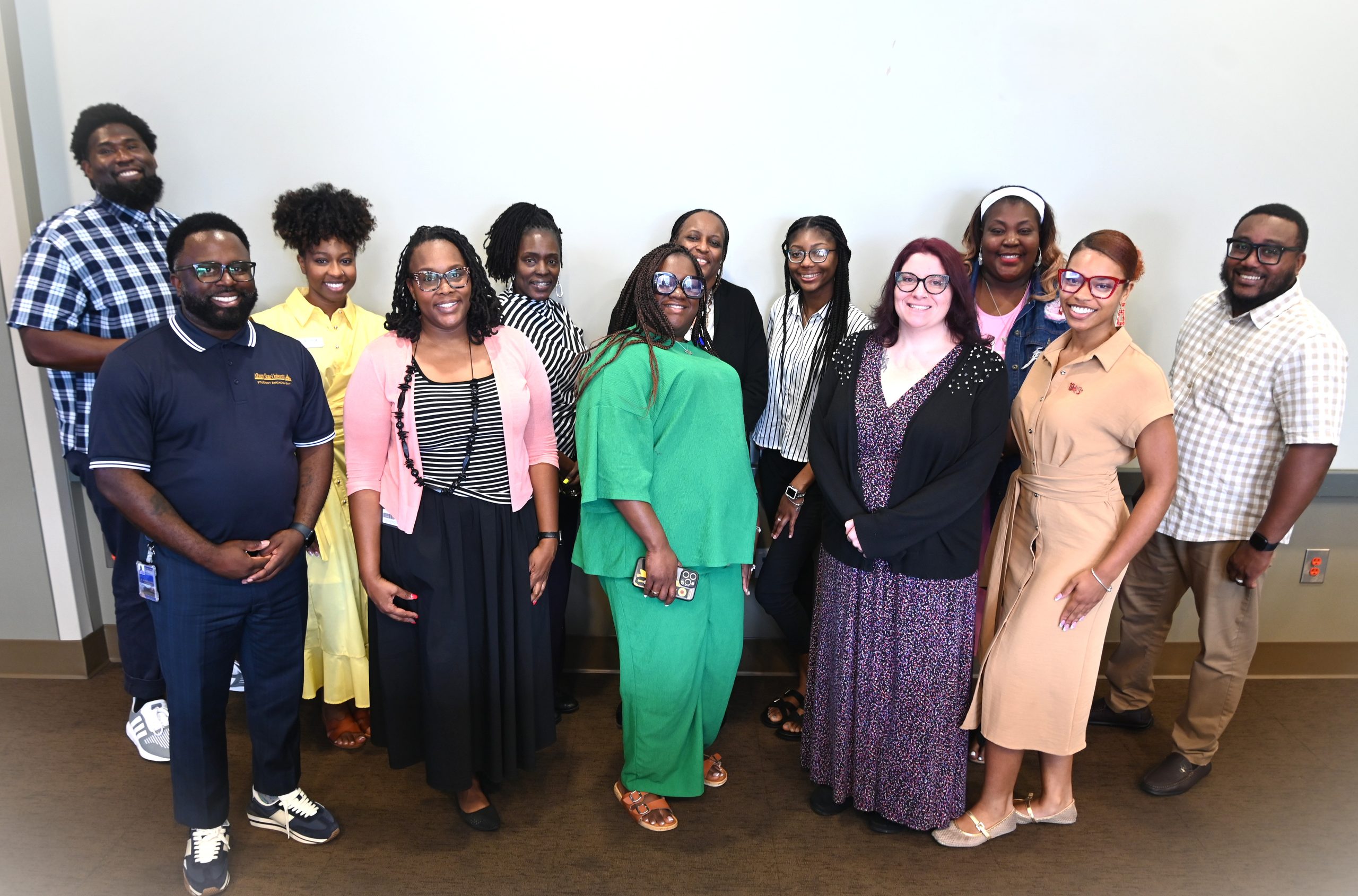
PHOTOS: Albany State New Employees Luncheon
Click the arrow to scroll through the photos.

Albany Commission will revisit downtown park project at October retreat
“Right now it’s a sea of asphalt there. It doesn’t encourage gathering. Parks and green spaces encourage gathering.”
