
Georgia land conservation incentive approved by governor
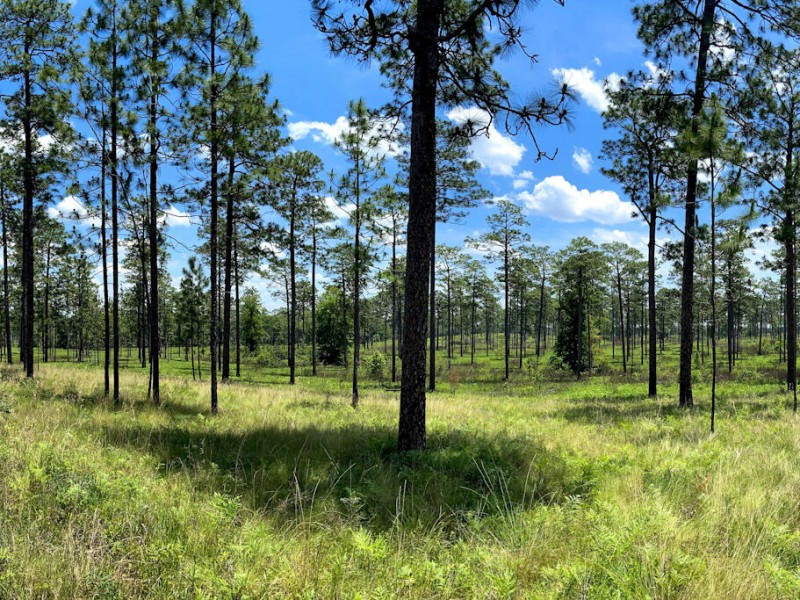
While Georgia is the nation’s No-1 state for forestry, the industry has been hit with shrinking demand for timber, resulting in an oversupply.
File PhotoFrom staff reports
ATLANTA — Gov. Brian Kemp signed into law last week the reauthorization of the Georgia Conservation Tax Credit (GCTC). This state income tax credit is available for landowners who complete a permanent conservation easement with an accredited land trust.
The tax credit — a valuable tool for supporting private land conservation — expired in December 2021, and will now become active again on June 1, 2022, with a sunset date of Dec. 31, 2026. Under this legislation, tax credits not to exceed $4 million will be available for qualified private conservation projects each year.
The program is beneficial for conservation efforts in Georgia, given that more than 90% of land in the state is privately owned. Moreover, the tax credit allows for the conservation of vital habitat without increasing the land management costs of state agencies. Conservation easements keep lands in private ownership but limit future development, land fragmentation, and more intensive land uses. The public benefits by protecting water resources, promoting natural habitats for wildlife, and ensuring rural working lands remain for agriculture and timber production.
Georgia landowners who complete a conservation easement can apply for the tax credit, and when approved, can apply that credit to reduce their state income taxes. Alternatively, landowners have the option of converting some or all of the credit to cash by selling their credits with a broker. The state tax credit is separate from the federal tax deduction, which is also a significant incentive for donating a conservation easement.
Conservation organizations celebrated lawmakers’ commitment to the permanent conservation of Georgia’s land. The Association of Georgia Land Trusts and the Georgia Conservancy, two nonprofit organizations that advocate for pragmatic solutions for land conservation and stewardship, expressed thanks to several elected officials who demonstrated particular dedication on this issue. These included the bill’s sponsors, Rep. Sam Watson (R-172) and Sen. Steve Gooch (R-51), as well as Kemp, Rep. Jon Burns (R-159), Sen. Chuck Hufstetler (R-52), Rep. Darlene Taylor (R-173) and House Speaker David Ralston.
Shane Wellendorf, board chair of the Association of Georgia Land Trusts, said, “The Georgia Conservation Tax Credit has been instrumental in helping private landowners protect critical water resources, wildlife habitat, and productive working rural lands.”
Wellendorf is also Conservation Coordinator at Tall Timbers, an accredited land trust and research station that holds conservation easements in southwest Georgia.
“Tall Timbers has worked with 90 Georgia landowners to complete over 100 conservation easements, and we are eager to do more,” he said. “We recognize that each landowner is in a unique situation, and families wishing to keep their land open and free from development should carefully consider the various options and incentives.”
Landowners in southwest Georgia who are interested in exploring a conservation easement can learn more at www.TallTimbers.org. Those outside the area that Tall Timbers accepts easements or considering more options can locate additional accredited land trusts through the Land Trust Alliance at www.FindaLandTrust.org.
Author

Related Articles

PHOTOS: Albany State New Student Orientation
Photos by Reginald Christian, Albany State University

Theatre Albany’s first 55-over production set for weekend matinees
Squeezing “Singing in the Rain” into the Theatre Albany schedule was no small order.
Homeschool students reduce prep time for ‘Anastasia’ production to 24 hours
Albany Area Homeschool Theater Association will bring the first 24-hour play to the area Friday.
