
Georgia senators ask that state ‘Disproportionate Share’ hospitals keep status
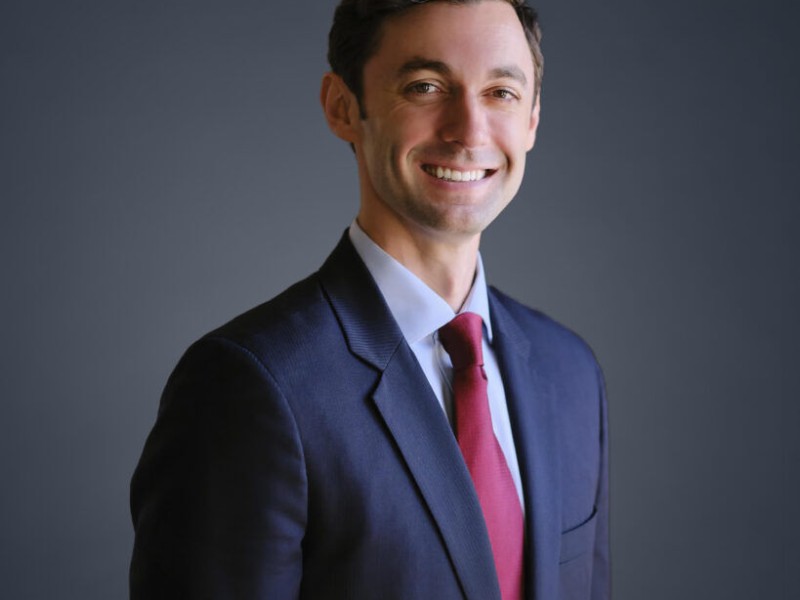
Jon Ossoff
Special PhotoFrom staff reports
WASHINGTON, D.C. — Georgia’s U.S. Senators, the Rev. Raphael Warnock and Jon Ossoff, both Democrats, pressured Senate leadership to allow Georgia’s 51 Medicare Disproportionate Share Hospitals to maintain their status for two years as the state’s health care system stabilizes.
Disproportionate Share Hospitals serve larger numbers of low-income patients and receive support through federal programs to help cover the cost of caring for uninsured patients. Twenty-three of these 51 hospitals are at risk of losing this status, and consequently at risk of closing, because of Medicaid redeterminations and the backlog with Social Security Insurance disability claims.
According to the Georgia Hospital Association, three of Georgia’s largest DSH facilities estimated more than $150 million in unpaid claims due to the backlog of Social Security Administration applications. This amounts to more than 1,600 patients who cannot be counted in these facilities’ cost reports for federal DSH formula calculations, jeopardizing their access to federal programs and, subsequently, their ability to operate.
“Since May 2023, more than 380,000 Medicaid patients have been terminated from Georgia’s Medicaid program, and additional patients will continue to lose coverage until the re-enrollment process is complete,” Warnock and Ossoff said in a joint statement. “Patient applications for benefits through the Social Security Administration are also significantly delayed at the state level.
“According to the Georgia Hospital Association, three of Georgia’s largest DSH facilities estimated more than $150 million in unpaid claims due to the backlog of Social Security Administration applications. This amounts to more than 1,600 patients who cannot be counted in these facilities’ cost reports for federal DSH formula calculations. Georgia’s hospitals have never been more at risk than they are today. Compounded by Georgia’s refusal to expand Medicaid, with 23 hospitals at risk of losing such eligibility, Georgia has the most hospitals in the country in jeopardy of losing status. If these hospitals no longer qualify, we are deeply concerned about their ability to continue to operate.”
Warnock has long championed efforts to expand affordable health care access, starting with his advocacy to close the health care coverage gap in Georgia. Last year, the Senator led a delegation of Georgia lawmakers in urging the Centers for Medicaid and Medicare Services to provide tools to Medicaid non-expansion states like Georgia to help them protect health care access for Medicaid enrollees who lose eligibility after the public health emergency declaration ends.
In February, Warnock urged the Center for Medicaid and Medicare Services to ensure that the gains made in reducing the number of uninsured children are not lost as states begin to unwind some Medicaid policies that have been in place since the start of the COVID-19 public health emergency. In September, the Senator urged the Biden administration to leverage every resource possible to keep Georgians, especially children, covered by Medicaid if they are eligible during the Medicaid unwinding process.
Author

Related Articles

Lee County denies mother’s home day care plan despite staff support, corrections to objections
A day after Lee County commissioners voted down her plan to care for five young children in her home, Sharemer Jones returned to the county planning office with her infant daughter to ask how to appeal.
Lee County proposes tax rate cut as homestead cap reshapes tax digest
Lee County commissioners plan to lower the county’s property tax rate for 2026. The new rate would reduce what the county collects for day-to-day operations for the first time since 2022.

PHOTOS: 2026 Albany State Homecoming
Click the arrow to scroll through the photos…five different galleries.
