
Interest in, efforts continue to restore quail habitat
Special Photo
From staff reports
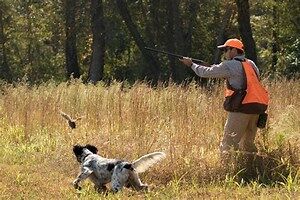
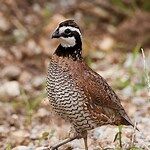
Northern bobwhites hold a special place in Georgia’s outdoor culture and wildlife heritage. In fact, Georgia has been known as a premiere quail-hunting destination for more than 100 years and the Georgia General Assembly designated the bobwhite as the state gamebird in 1970.
Back in the quail boom years of the early 20th century, Georgia’s landscape was a “sea” of usable habitat for quail due to extensive low intensity farming and forestry with little urban/suburban development.
However, Georgia’s quail population has declined by more than 85% since the 1960s and, consequently, the number of quail hunters has declined by more than80%. This drastic decline is due primarily to the loss of quality early successional habitat (i.e. native grasses, legumes, weeds, briars, bugs and shrubs). Restoring this habitat type across Georgia’s landscape benefits quail, numerous songbirds, rabbits, wild turkey, deer and many other wildlife species; improves water quality; reduces soil erosion, and can enhance local economies by stimulating quail hunting and wildlife viewing.
In response to the quail decline, Georgia’s Board of Natural Resources worked with key members of the General Assembly and other supporters to develop and fund the Bobwhite Quail Initiative in 1999. The BQI is a proactive effort directed at restoring quality habitat for bobwhites and other early successional wildlife species on working farms and forestlands.
The initial phase of BQI focused efforts in 15 upper coastal plain counties where interested landowners were provided with detailed technical assistance on restoring and managing quail habitat, and on a competitive basis, economic incentives to implement certain habitat management practices (e.g. field borders, hedgerows, thinning and burning pine stands, and fallow corners) to enhance row crop fields and pine stands for bobwhites and other early successional wildlife.
The “Support Wildlife” vehicle tag and matching grants finance the BQI program. Twenty dollars of every license plate sold goes to fund BQI biologists and financial assistance programs to improve quail and wildlife habitat on public and private lands in Georgia.
The good news is there is continued interest and increasing efforts at focused habitat restoration to benefit bobwhites and numerous other wildlife species that depend on early succession. Counties were selected for focused quail restoration efforts through a collaborative landscape analysis workshop. This process was conducted by Tall Timbers Research and Georgia Wildlife Resource Division as part of the NBCI revision and identifies farm and forest landscapes with the greatest bobwhite restoration potential.
The Georgia NBCI stepdown plan was developed in 2013 and will transition the BQI program into these priority restoration landscapes within the framework of NBCI. The plan is to work intensively with interested landowners within these priority areas, form landowner cooperatives where feasible, and work with managers of select public lands to restore and manage bobwhite populations.
Future restoration success of bobwhites is dependent on securing adequate state and federal funding for landowner incentives and technical assistance, collaborating with other state, federal, and NGO conservation partners, and targeting conservation programs and available resources within these prioritized counties and subcounty landscapes.
In 2016 officials partnered with the USDA’s Natural Resources Conservation Service in Georgia to create the Working Lands for Wildlife Bobwhite Quail Pine Savanna Restoration Project. This innovative program provides technical and financial assistance to land owners to improve habitat for quail on working agricultural and forested lands. Part of the funding for this program comes from sales of the “Support Wildlife” license plate.
The BQI program has also partnered with Quail Forever to bring on additional biologists to provide technical assistance to landowners in the state. In addition, QF has hired a precision ag specialist to help producers identify poorly performing areas of fields that could be converted to high-quality quail and wildlife habitat. QF is a nonprofit conservation organization dedicated to the conservation of quail, pheasants, and other wildlife through habitat improvements, public awareness, education, and land management policies and programs. Visit www.quailforever.org to locate a local biologist for assistance or to connect with a local QF chapter.
Call a professional wildlife biologist at (229) 420-1183. The BQI program provides free technical advice to landowners interested in managing for quail and other wildlife.
More information:
♦ Bobwhite Quail in Georgia: History, Biology and Management
♦ Northern Bobwhite Quail Fact Sheet
♦ Video: Why Have Quail Declined?
♦ Pen-Raised Quail in Georgia: Frequently Asked Questions
♦ Pen-Reared Quail & Translocation♦
♦ Management Techniques Series:
1: Fallow Field Management
2: Managing Field Borders
3: Managing Pine Stands
4: Prescribed Burning
5: Impact of Exotic Grasses
6: Aviation Predation
7: Habitat Fragmentation
8: To Thin or Not to Thin
9: Bobwhite Quails & Turkeys
10: Escape/Thermal Management
11: Longleaf Pine Establishment & Management
Find out more about the National Bobwhite Conservation Initiative in Georgia through the following links:
♦ NBCI Website
♦ Georgia NBCI Stepdown Plan
Author

Related Articles
Albany Herald – July 18, 2026
Georgia Trust for Local News partners with… Adult leadership group spreads concept to… Lee County homeowners have until Aug. 1 to…
Classifieds – July 18, 2026
Classifieds; Legals;
Albany police make arrests in murder, robbery cases
Officials with the Albany Police Department have announced a number of arrests in cases that involved a homicide and a pair of thefts.
