
John Lewis Fellowship hears story of Leesburg Stockade Girls
John Lewis fellows stop in Leesburg during study of social justice matters
By Jennifer Parks
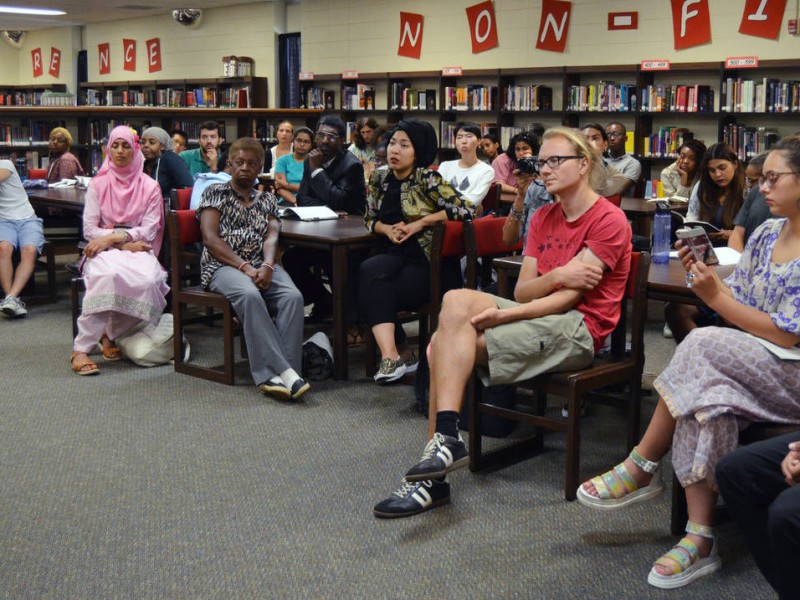
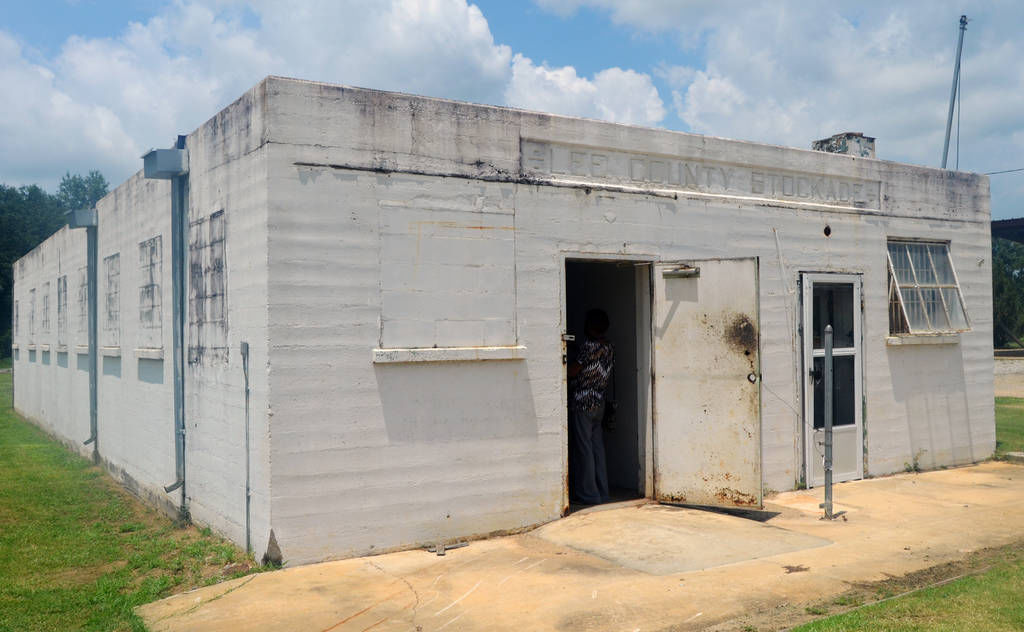
LEESBURG — The John Lewis Fellowship, based out of the Center for Civil and Human Rights in Atlanta, brought nearly 40 college students and recent graduates from around the world to Leesburg on Wednesday to learn more about what took place in a former stockade on Leslie Highway in the summer of 1963.
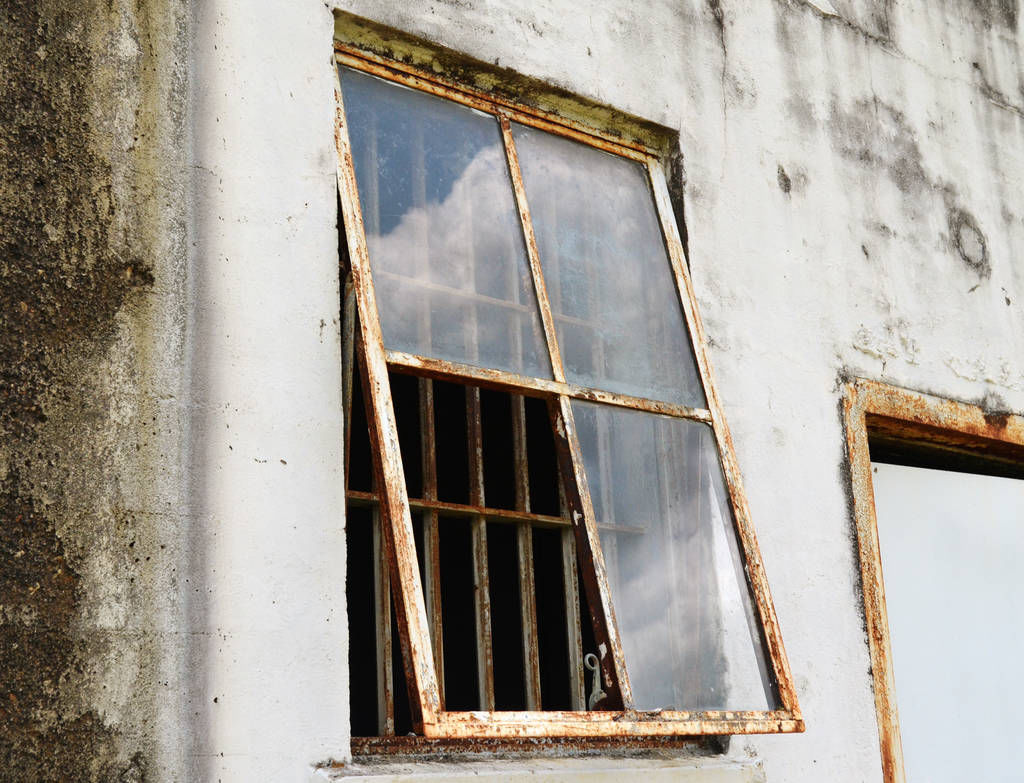
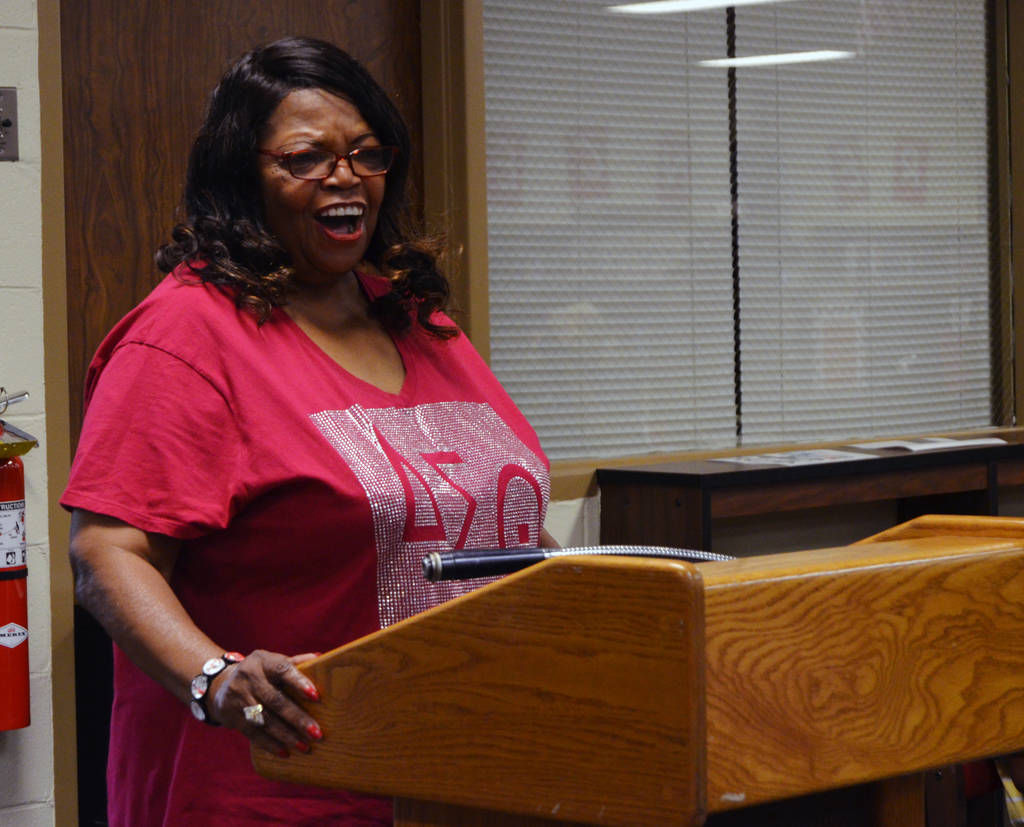
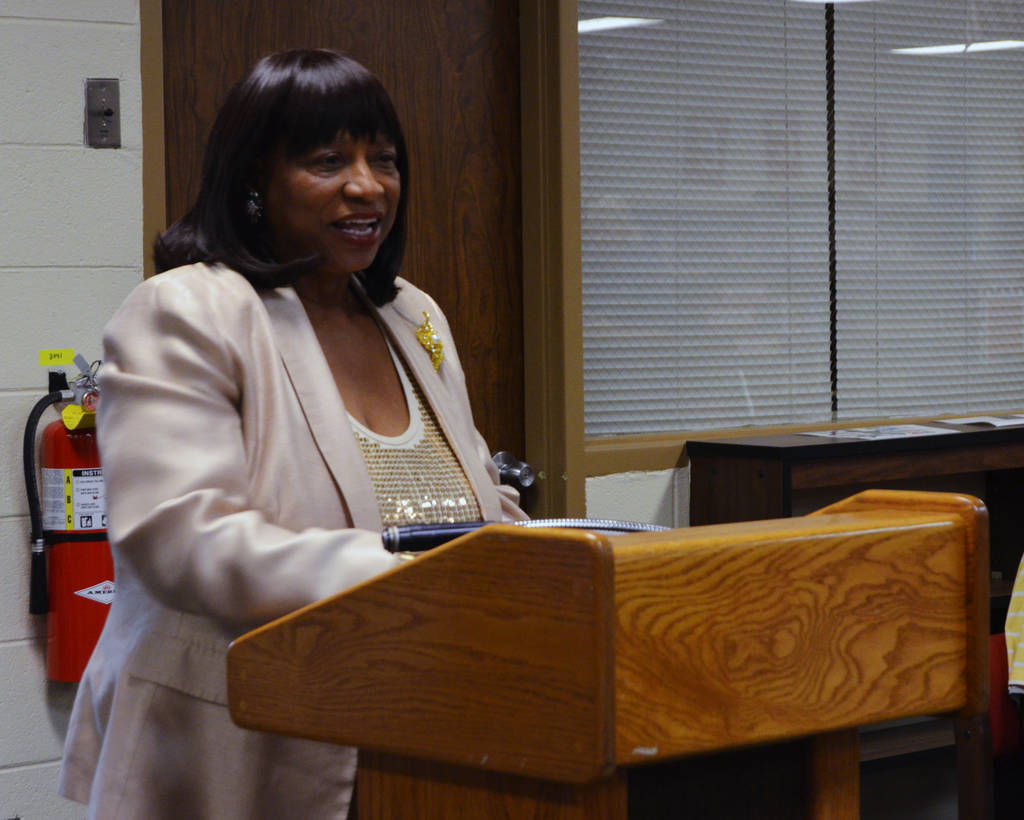
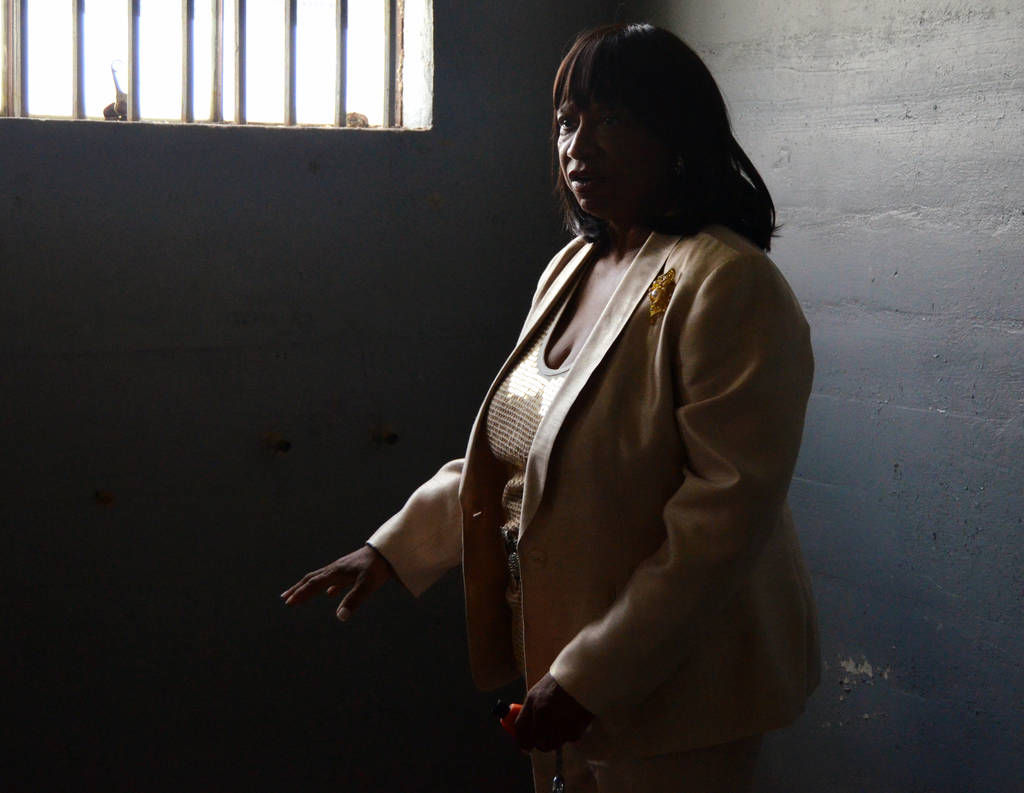
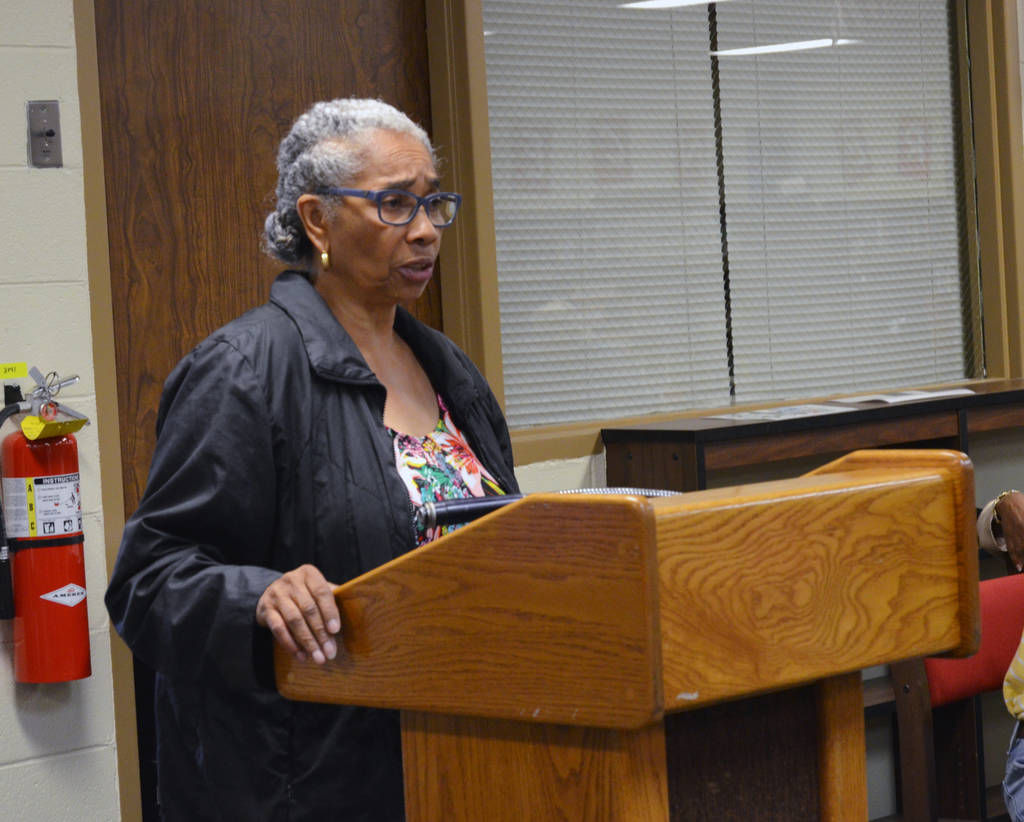
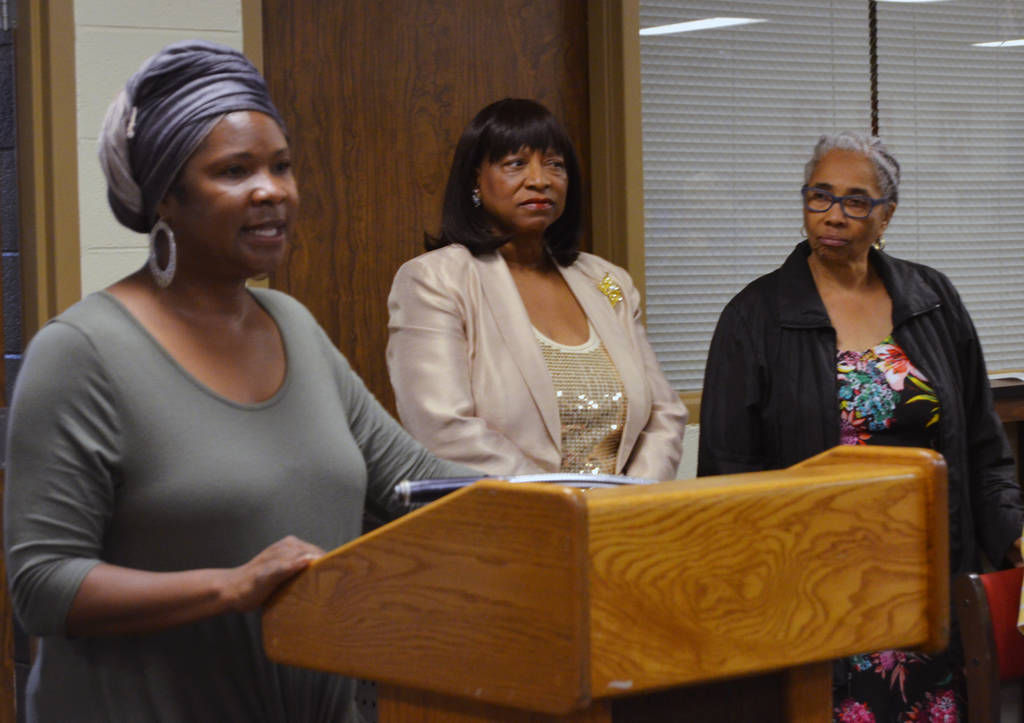
The group arrived Wednesday morning and later gathered at the Lee County High School Ninth Grade Campus. Two of the the eight surviving Leesburg Stockade Girls, who were held in the facility in compromised conditions for two months after taking part in mass meetings, spoke with the group before visiting the building now being used as a Public Works facility.
The visit came together when Tanya Washington, the director of the Lewis Fellowship, sought the chance to come to Leesburg to further the group’s research.
The Leesburg Stockade Girls story is reaching a growing number of people since a few of the remaining eight women began sharing their stories decades later.
Shirley Green-Reese and Carol Barner-Seay, who were 14 and 12, respectively, while in the stockade, largely went on with their lives until they began sharing their stories. Both were involved in separate mass meetings in July 1963 before being taken by law enforcement and eventually transported to the stockade afterward.
“At the time, we were just frightened,” Green-Reese, now an Americus City Council member, said. “We didn’t know what was going on.”
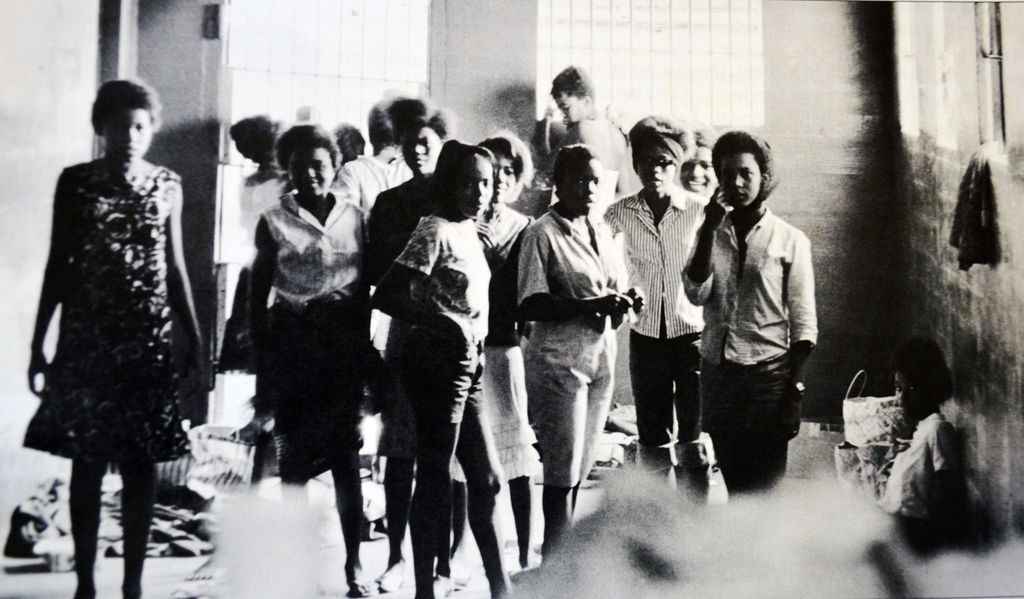
It took two weeks for their parents to find out where they were, with the help of a dogcatcher. By then, they were already being subjected to an environment with bars on windows, no lights, broken glass, no functioning toilet, little running water, little food, no blankets and sad nights while striving to comfort each other.
Danny Lyon, a Student Nonviolent Coordinating Committee photographer at the time, made his way to the stockade without anyone knowing and took photos that led to the girls being released once the photos circulated.
The John Lewis program is a Humanity in Action fellowship and is meant to be an intensive program about diversity and civil rights honoring U.S. Rep. John Lewis, D-Atlanta, an iconic figure during the Civil Rights Movement. In its first two years, the program explored the history of the movement, diversity and minority rights in Atlanta.
Now, the fellowship is expanding to restorative justice through a multidisciplinary approach with fellows, speakers and staff producing a “blueprint” called “An Approach for Human Rights and Restorative Justice” for Georgia’s capital city intended to serve as a resource guide to address issues surrounding social justice.
The fellows are exploring key issues and subjects such as education, health, law, urban and residential planning, police practices, government, religious institutions and the arts. They are primarily attending discussions with scholars, journalists, politicians and activists, and visiting historical sites to dig deeper into a range of political and social issues.
The stockade visit was expected to be unique in that it offered a chance for insight into the role children played in the civil rights movement.
“My job is to put together a curriculum (that represents) the civil rights movement,” Washington said. “I thought it was important to shine a light on children. This is something I really want to share with our students.”
Washington said the program is funded by a grant from the Andrew W. Mellon Foundation. She said Roslyn Pope’s “Appeal for Human Rights” and the “New Appeal for Human Rights,” published by the Atlanta Student Coalition with the help of civil rights veterans, is providing a framework for the fellows’ examination of the progress that has been made in the advancement of civil and human rights and the challenges that persist.
The surviving Stockade Girls are working to get word out on what happened that summer and called on the fellows on Wednesday for their assistance.
“Whatever you can do to help us, we welcome your help,” Barner-Seay said.
Rutha Harris, one of the original Freedom Singers, provided entertainment to the fellows during the visit.
The Albany Herald first published the story of the Leesburg Stockade Girls in February of 2016. Since then, their story has been on Georgia Public Broadcasting and received recognition from the Georgia Legislative Black Caucus, and they have been nominated for the Presidential Medal of Freedom and received support from the Seattle-based organization Greater Good.
“Double Exposure: African American Women,” a publication from the National Museum of African American History and Culture at the Smithsonian Institution, includes a picture of the girls.
The Presidential Medal of Freedom is still being sought, and an effort is under way to put a marker on the stockade site. The 1963 Leesburg Stockade Girls also has a Facebook page.
For more information on the movement, visit www.humanityinaction.org.
Related Articles
CWC Alliance brings substance-abuse training to southwest Georgia
“We train youth and young adults across the state on substance-use prevention. It’s been incredible to partner with NAMI Albany. Through this training they will become youth prevention mentors.”

Albany Police Department investigating fatal shooting on North Slappey Boulevard
Brandon Jones, 21, was fatally shot while in a car on Monday night. Albany police are seeking 10 individuals in connection with the homicide.
Dougherty Commission OKs agreements for trash traps, Radium Springs Grant effort
The placement of two traps will help take a bite out of the amount of trash making its way into the Flint River. The Flint Riverkeeper and partners will be involved in placing, monitoring and monitoring the traps as well as removing and disposing of trash and recyclables.

