
Students attend annual water festival
Environmental experts teach third-graders about importance of water
By Jada Haynes
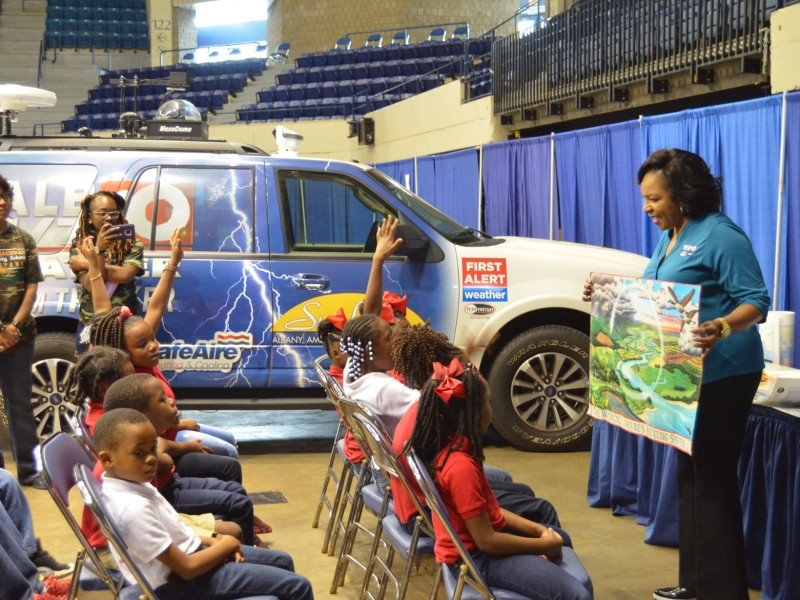
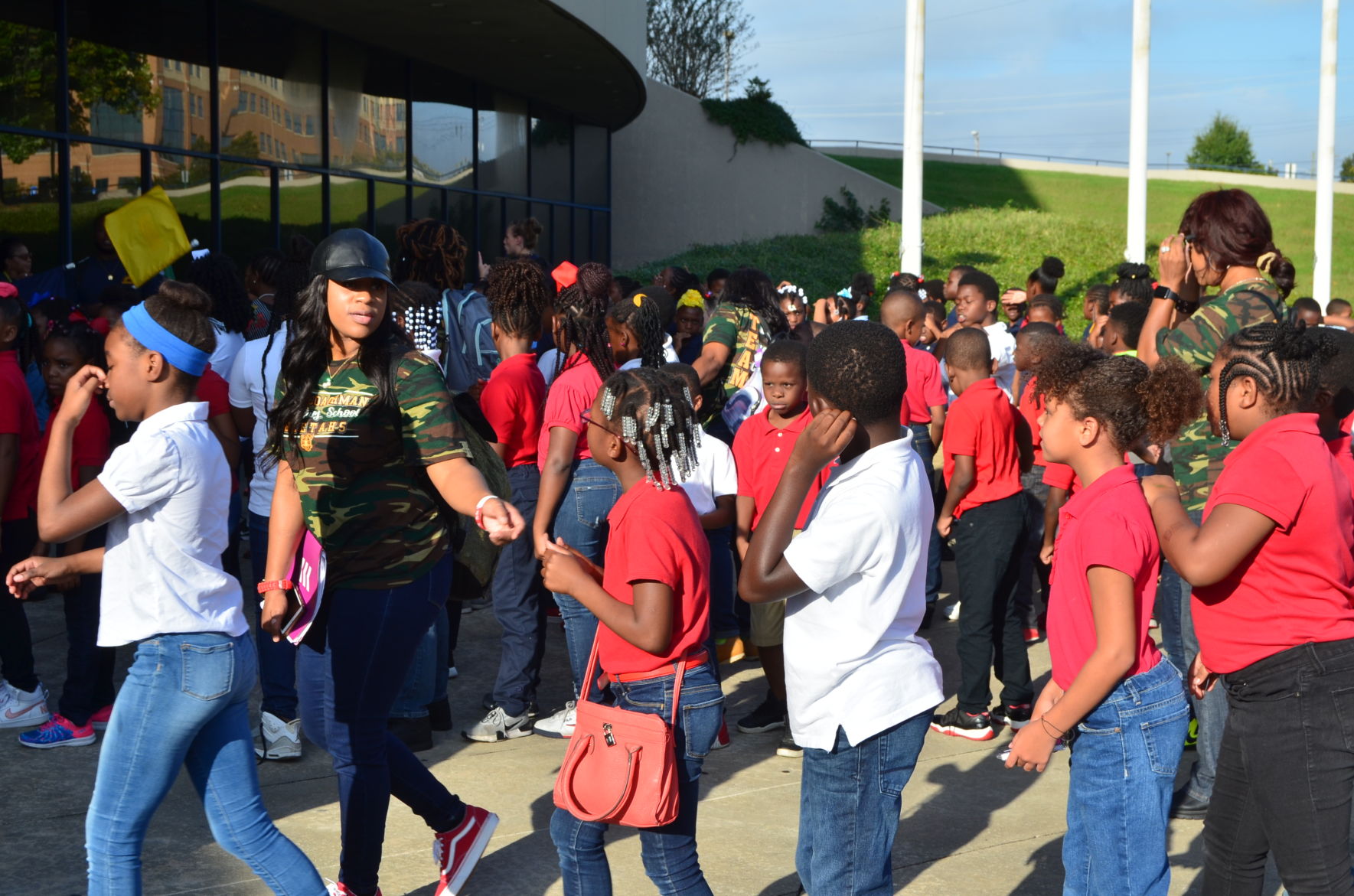
ALBANY — Third-graders from various schools around Dougherty County came to the Albany Civic Center Tuesday morning to learn about the ways water is important to life on Earth. The annual Water Festival featured speakers whose expertise entailed specific elements of the planet’s environment.
This year’s participating schools are Alice Coachman Elementary, International Studies Elementary Charter School, Lamar Reese Magnet School of the Arts, Lake Park Elementary, Morning Side Elementary, Northside Elementary and Robert H. Harvey Elementary.
Judy Bowles, Keep Albany-Dougherty Beautiful’s executive director and one half of the Water Festival Planning Committee, said the festival is meant to inform children about water and their responsibility to the resource.
“We’ve done this for the last 14 years in an effort to educate the young people about water, where it comes from and how we can’t live without it,” Bowles said. “We have nine different stations to address nine different uses of water so that the young people can understand how important water is and how much their life depends on it.
“We want these young people to understand that they’re charged with protecting our water, that the quality and the quantity of our water will be in their hands and that they understand its importance.”
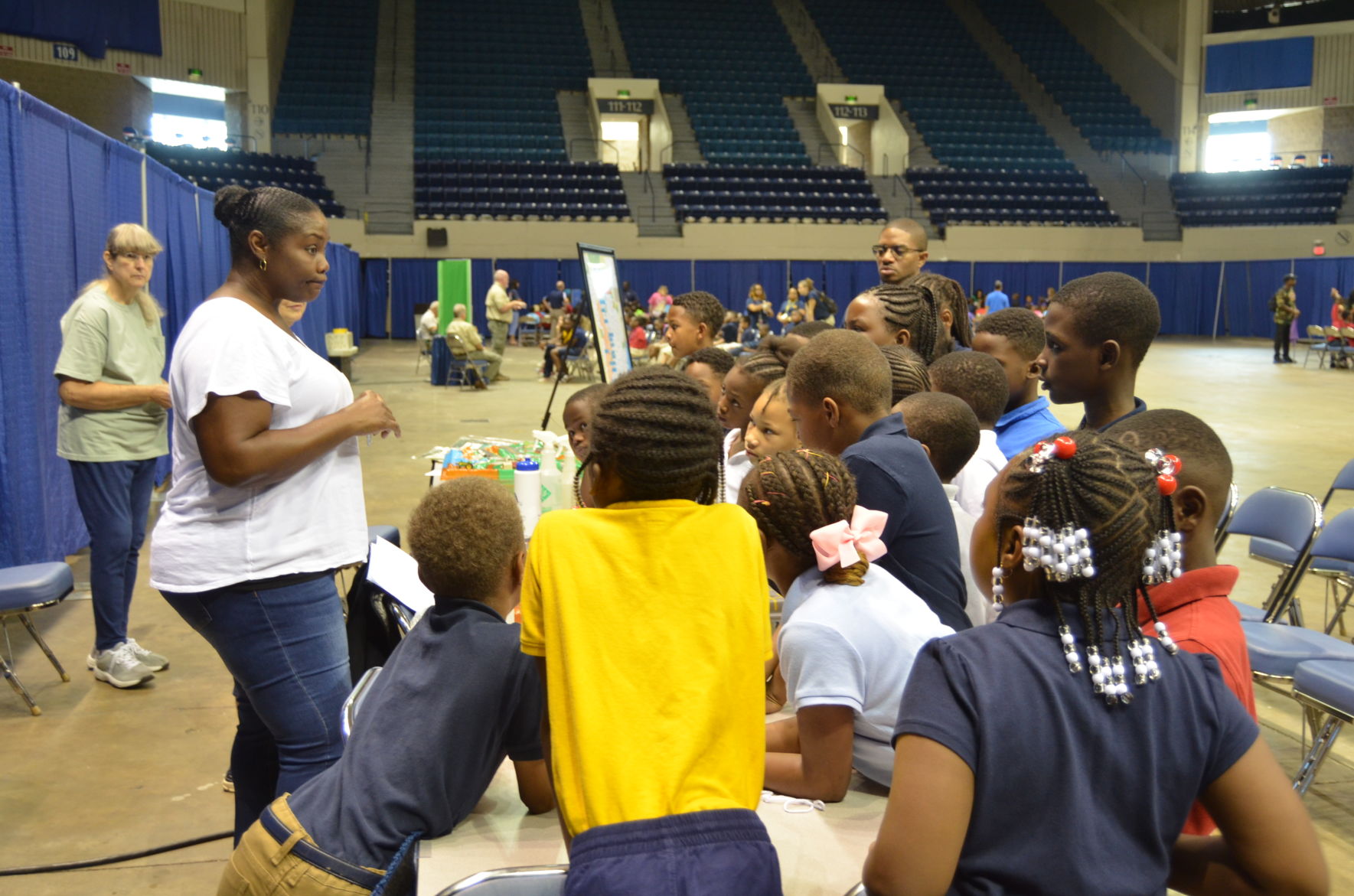
The nine education stations had various individuals and organizations as presenters. The stations’ topics included:
— Irrigation in Georgia, presented by Anne Spelts from the University of Georgia/Lee County Extension;
— Mosquito Control, presented by Donnell Mathis from Dougherty County Public Works;
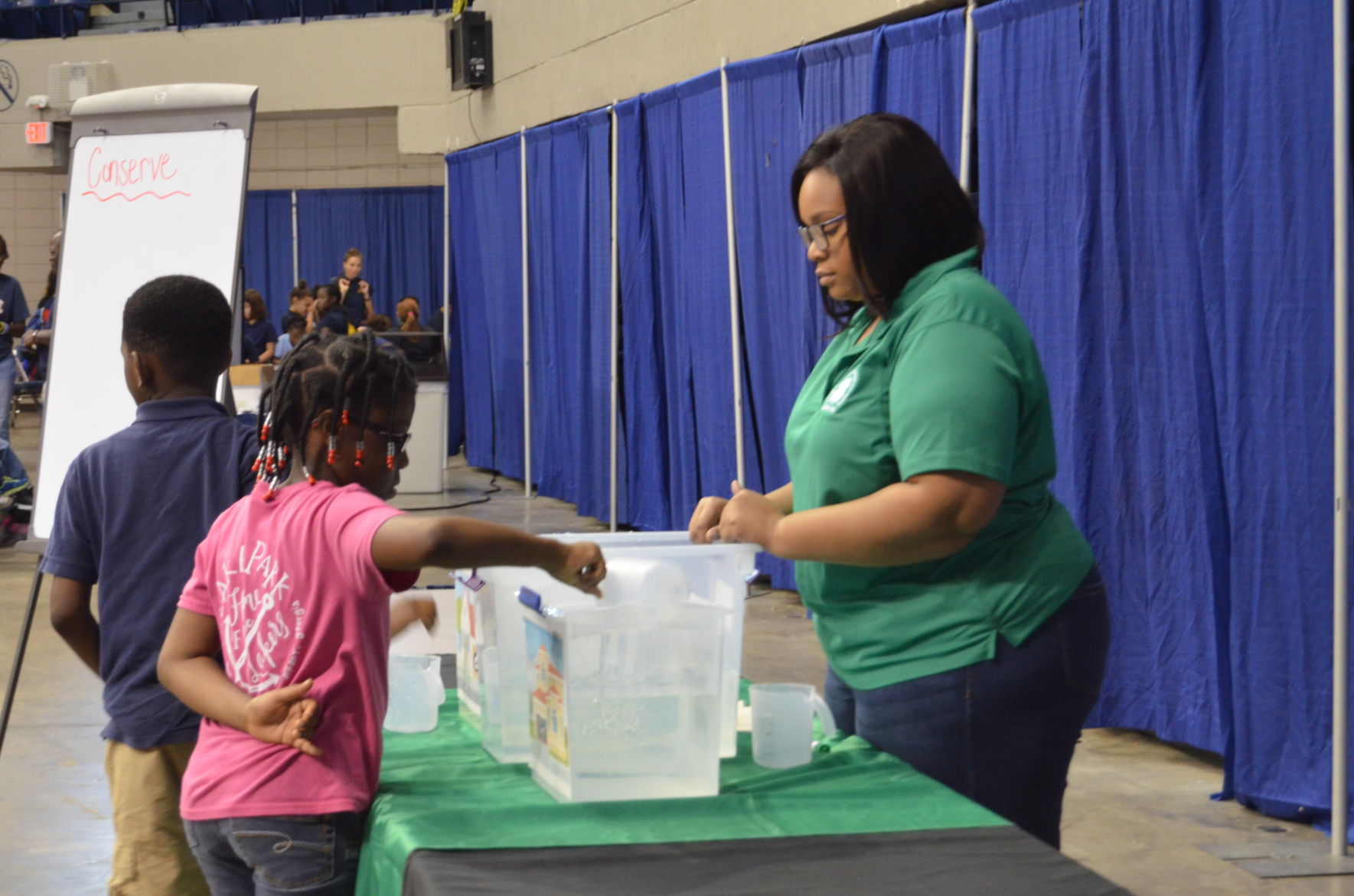
— Waste Not, Want Not, presented by James Morgan, Jordan Sliger and Jazmin Thomas from the UGA/Dougherty County Extension Office;
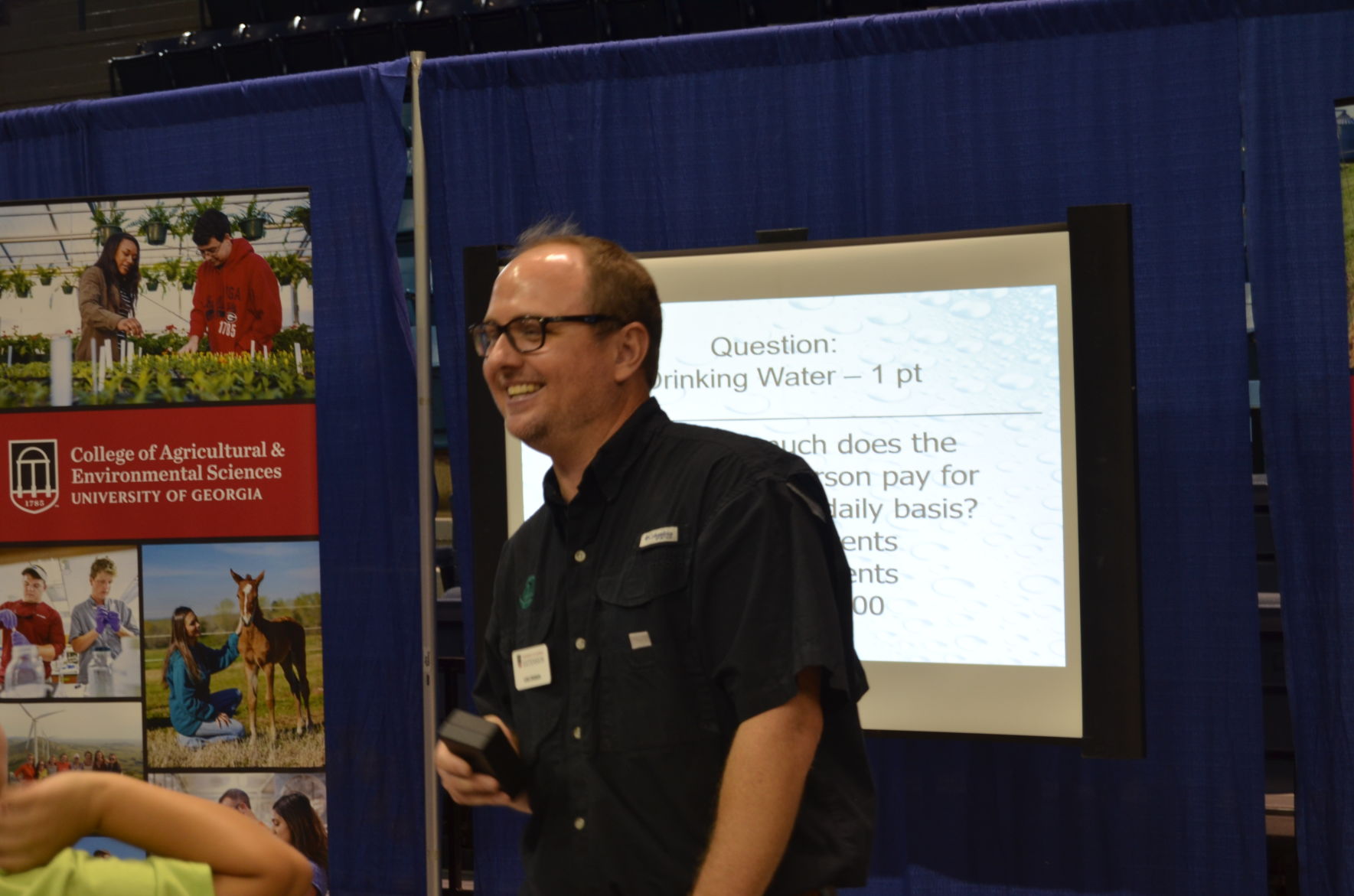
— Conservation Jeopardy, presented by Hunter Brannon and Luke Crosson from the UGA/Calhoun County Extension Office;
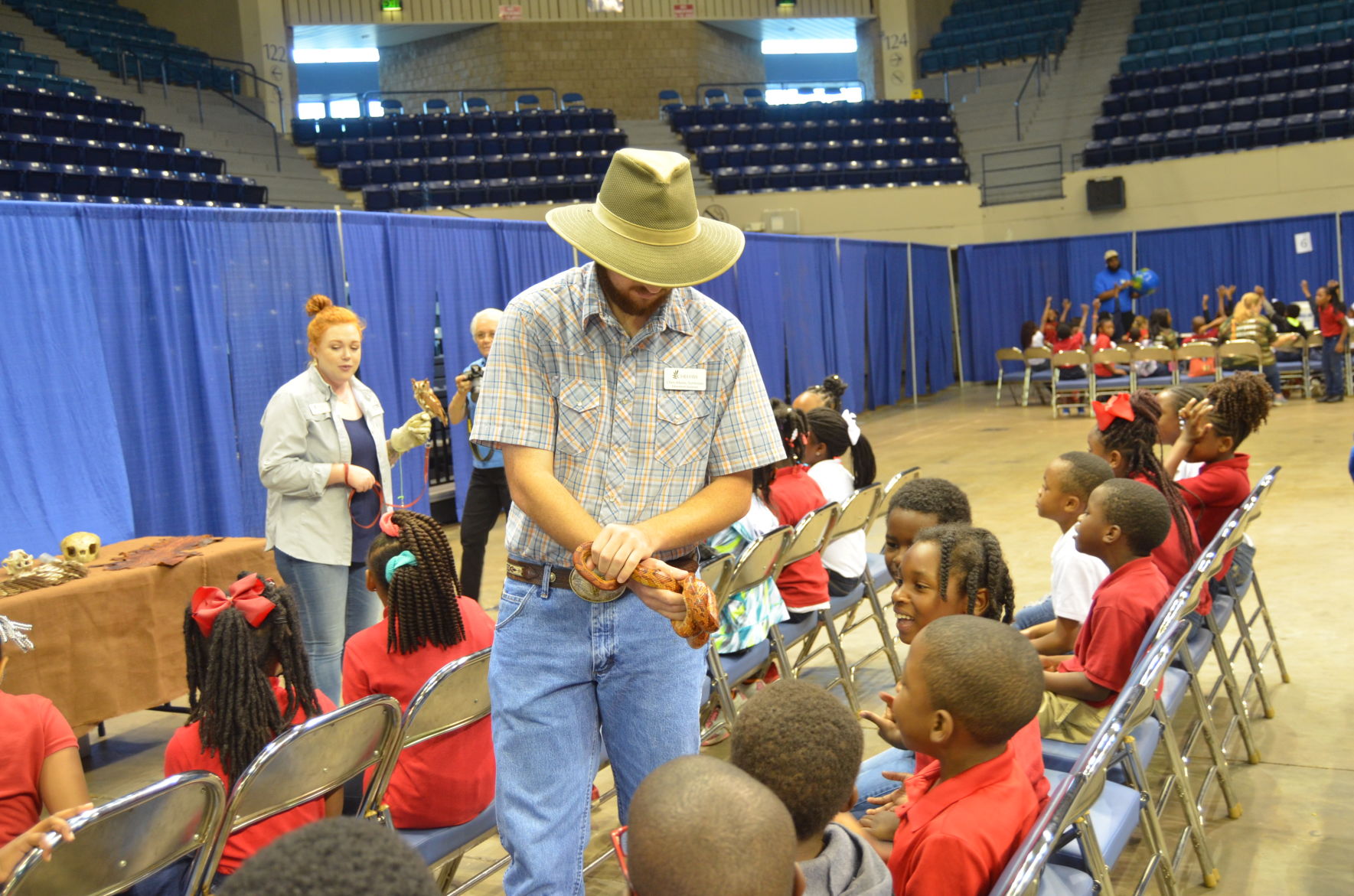
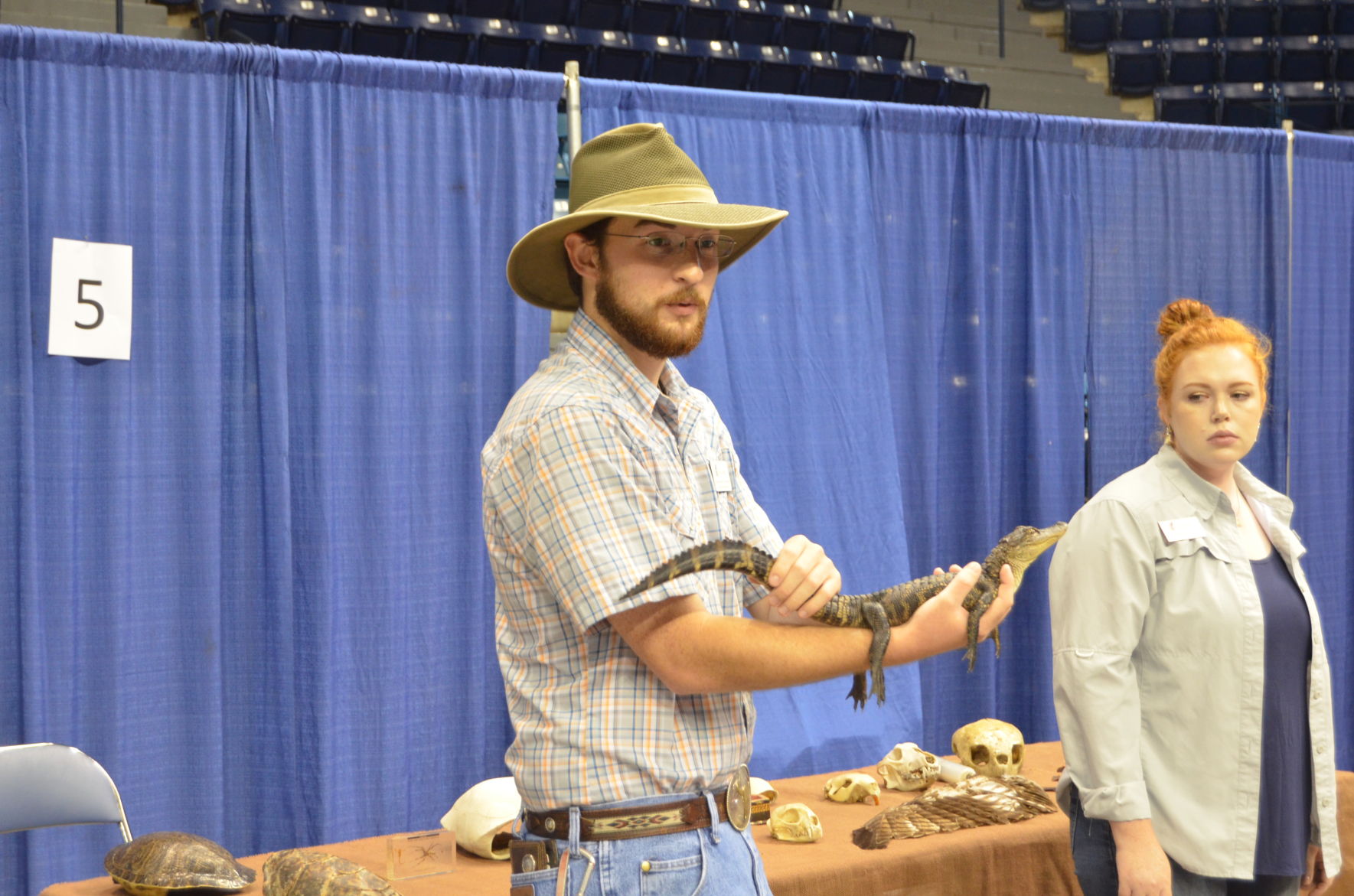
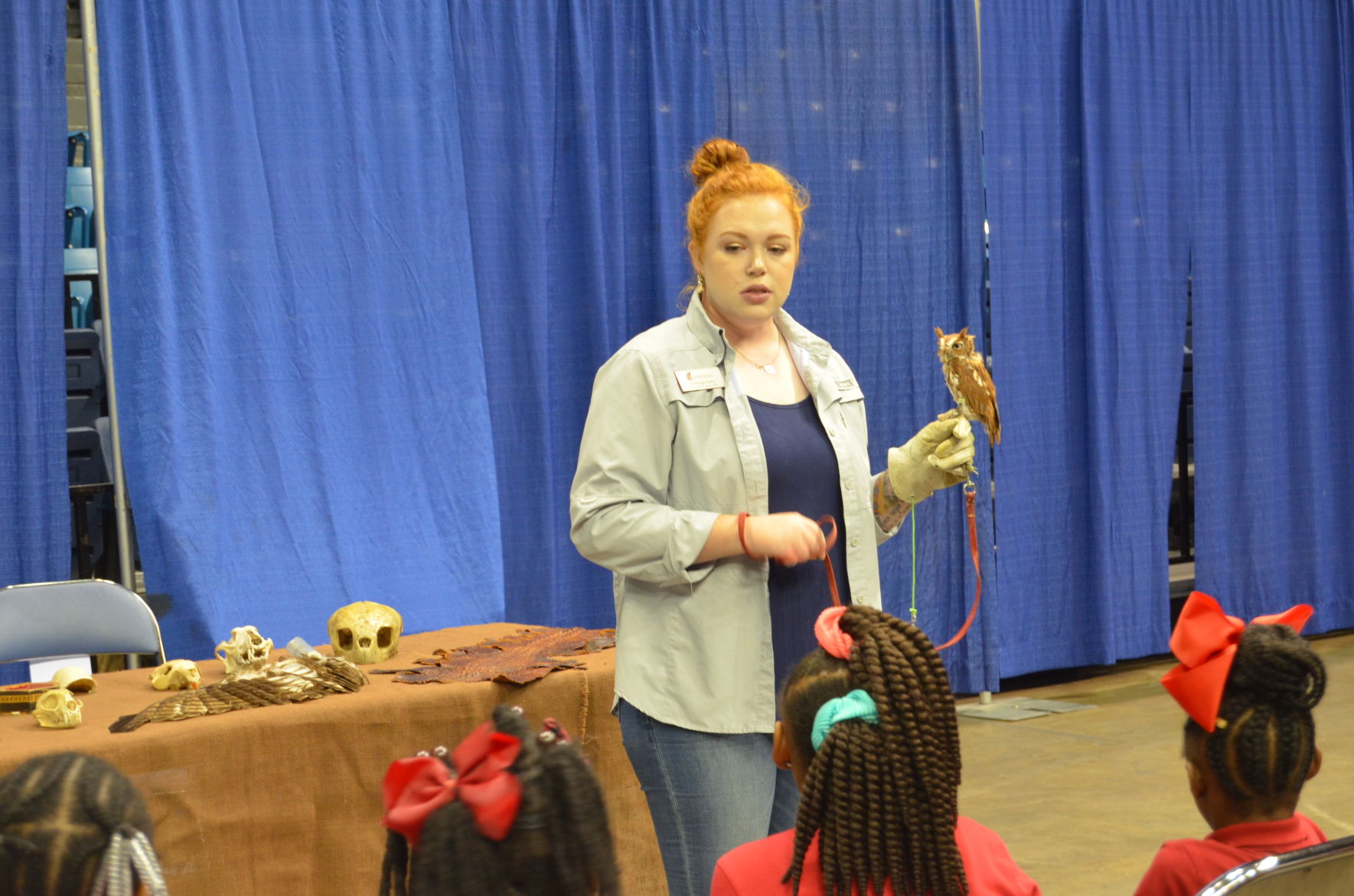
— H Zoo O, presented by Chris Adams and Ashleigh Kelly from Chehaw park;
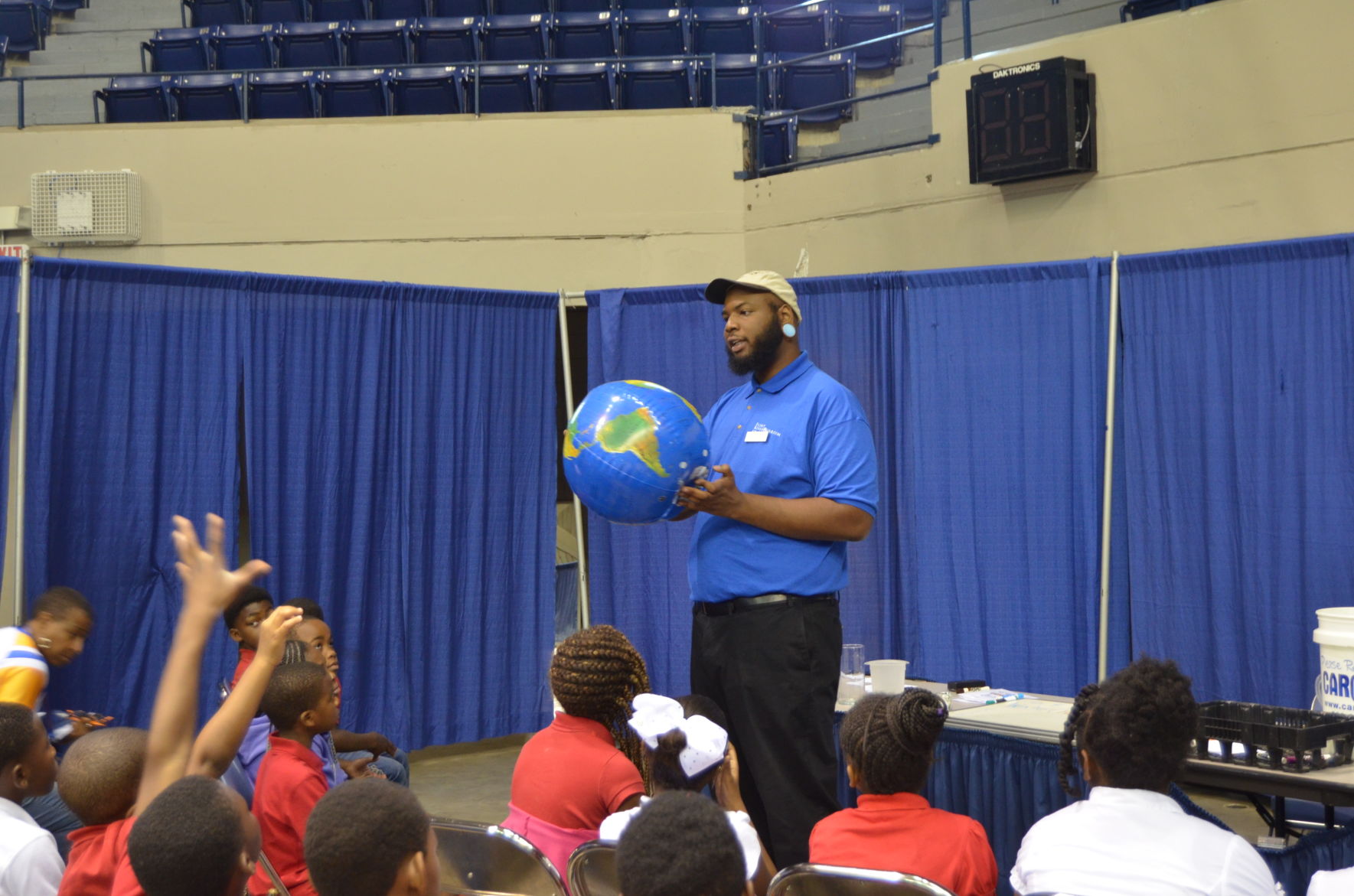
— Blue Planet, presented by Kostner Guyton and Malloree Lanier from the Flint RiverQuarium;
— Weather and You, presented by Yolanda Amadeo and Chris Zelman of local television station WALB;
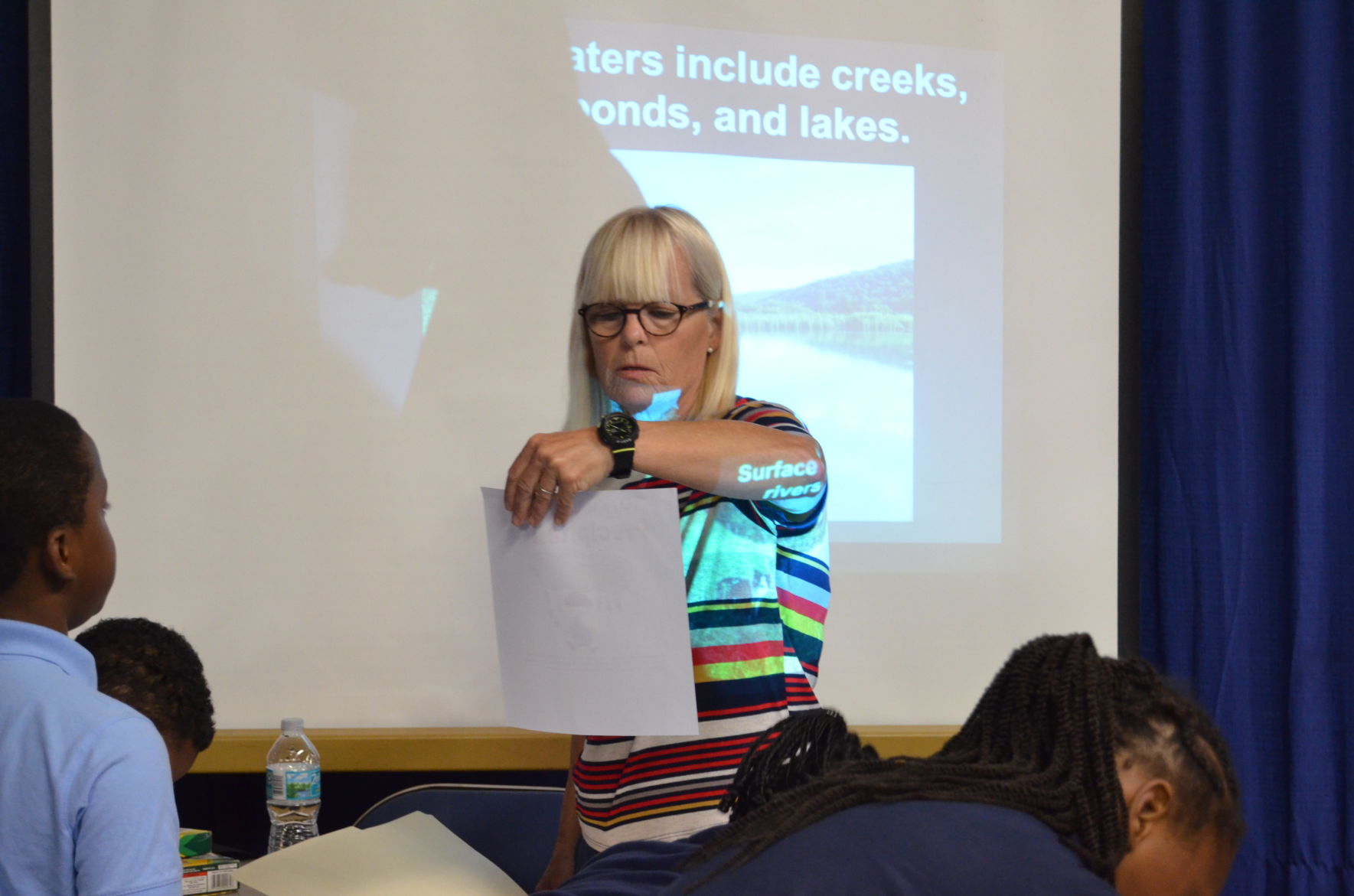
— Non-point Source Pollution, presented by Jeannie Brown, LaVerne Levins and Pam Roshio from KADB;
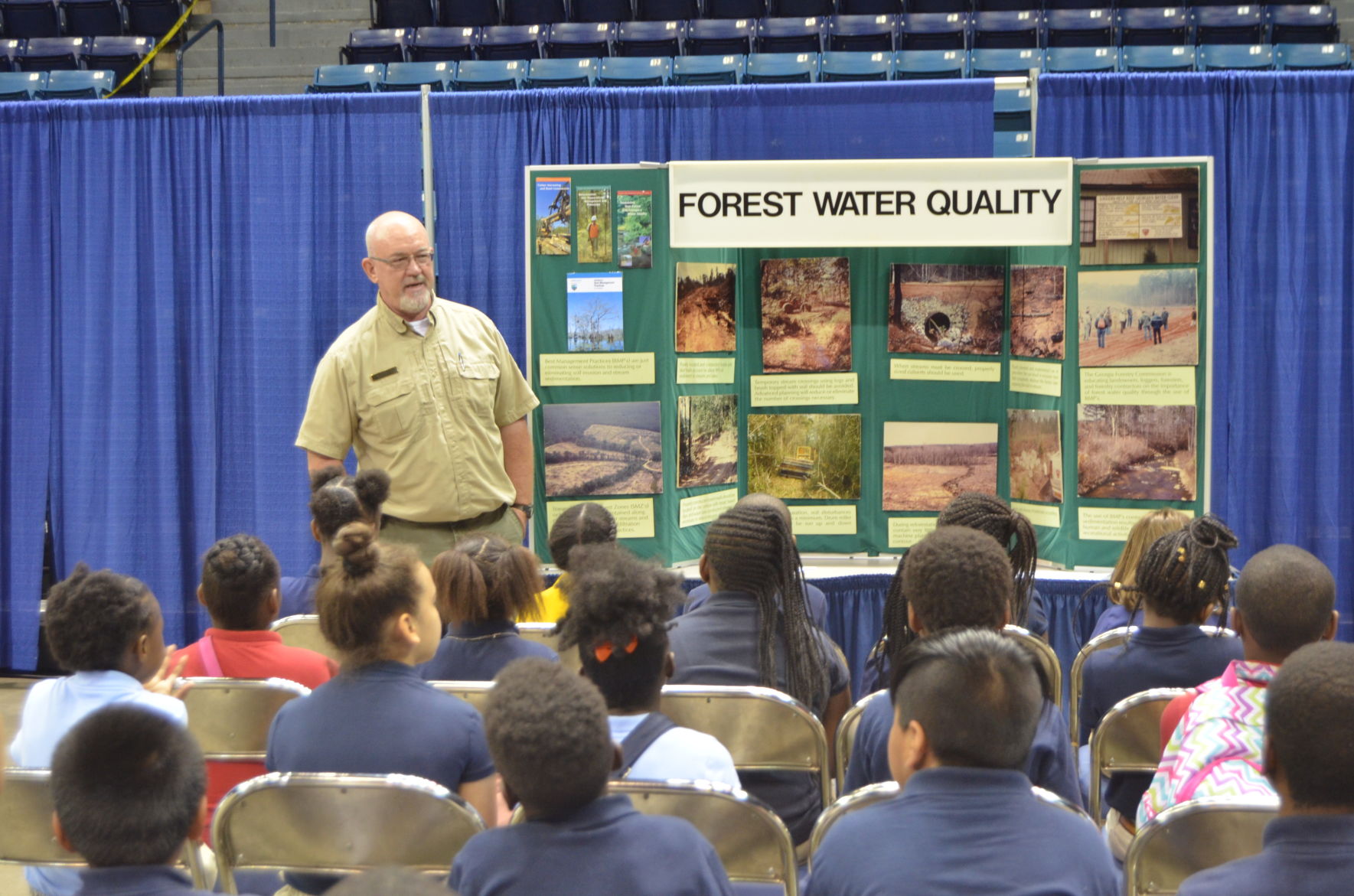
— Protecting Water Quality in Our Forests, presented by Shane Dunnen, Bert Earley and Chuck Norvell from the Georgia Forestry Commission/Terrell County.
Children were given 22 minutes at each of the stations. Each time an event official set off an air horn to let presenters know they had two minutes to wrap up the lessons, children jumped in surprise.
Linda Means, the second half of the festival’s planning committee, said that the festival’s lessons stick with the students.
“I think the children really do enjoy the festival, and I think they learn a lot,” Means said. “We usually do a pre- and a post-test with the students that are coming, and we’ve learned that they improve. From the time they do the pre-test to the time they take the post-test, those scores go up. So they are learning while they’re here. It’s not just fun and games; it’s also learning and experiencing.”
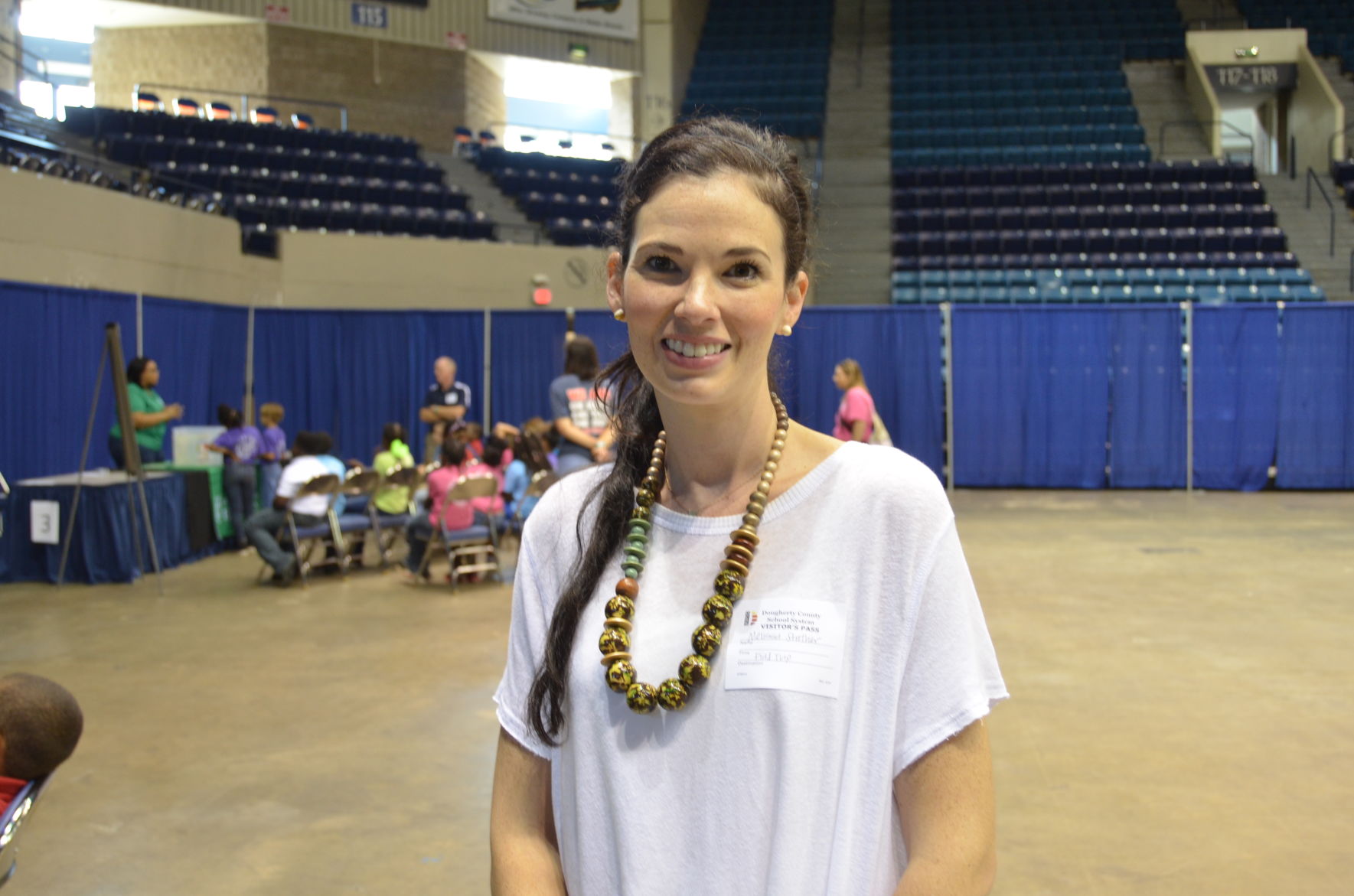
This year’s Water Festival is the first one that Melissa Strother, the District 4 representative on the Dougherty County Board of Education, said she attended. Strother said she came to the event as a parent and a chaperone instead of a public official.
“The director of science for the system said that third-graders come every year and they alternate which schools are able to participate each year,” Strother said. “It’d be great if we could work it out where all the schools were able to participate. Otherwise, there’s kind of a gap where you just kind of miss out if your school isn’t a participating school.
“Our first station was a partnership with the University of Georgia Extension, and this (second station) is environmental control, which I think is through the city. It’s a lot of different community people coming out so they can kind of see all the ways that water affects us. It’s neat, and it does go along with the third-grade curriculum. It’s kind of like class outside of class.”
Strother added that she appreciated all the volunteers who “come out and give back to the community through education.”

Related Articles

New commander takes helm as Marine Corps logistics adapts to evolving battlefield
Brig. Gen. Kevin G. Collins assumed command of Marine Corps Logistics Command during a change of command ceremony at Marine Corps Logistics Base Albany, succeeding Maj. Gen. Keith D. Reventlow after four years leading the organization responsible for sustaining Marine forces around the globe.

DOT says delay in Oglethorpe Bridge opening should be brief
“We know it’s not going to be July 22. We don’t think it’s going to be much later than that.”

City of Albany has big July 4 celebration planned for Saturday
“It’s going to be a lot of moving and shooting them off in a short time. It’s going to be a big show.”
