
Lodging tax proposal presented to Dougherty County Commission
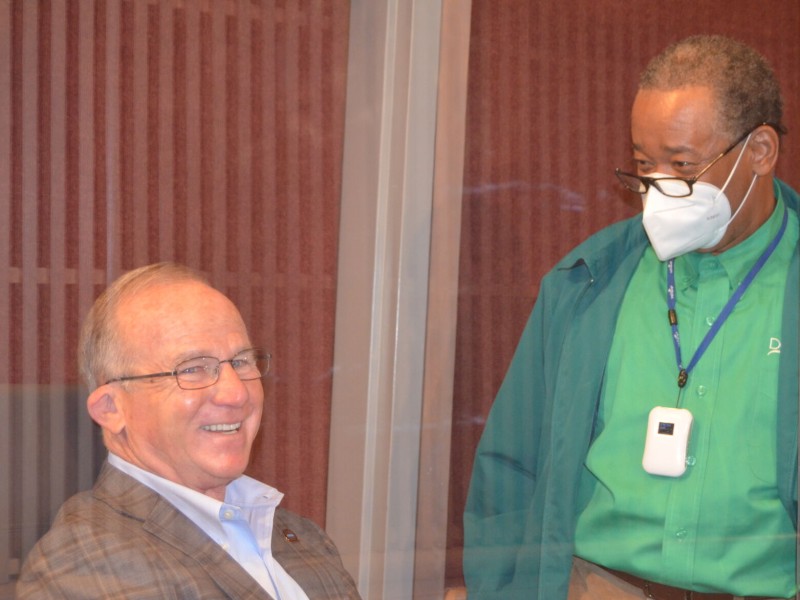
Staff Photo: Alan Mauldin
By Alan Mauldin
[email protected]
ALBANY — After taking a big hit with the pandemic, the lodging sector is showing signs of improvement. And through a law passed earlier this year, Dougherty County could get in on some tax proceeds raised through visitors spending the night in the area.
House Bill 317, passed by the Georgia General Assembly in July, expanded the list of taxable lodging establishments to camp sites, RV parks and hunting lodges, which currently are untaxed.
During an appearance on Monday before the Dougherty County Commission, Albany Convention and Visitors Bureau Executive Director Rashelle Minix outlined the new law and how the county could benefit. The legislation changed the definition of innkeeper to include short-term vacation rentals.
One benefit of the tax is it would not add to the burden for local taxpayers as it would be paid by out-of-town visitors, Commission Chairman Chris Cohilas said.
“To be honest, we’re not talking about (taxing) Dougherty County citizens,” he said.
Currently, the 8% hotel/motel tax in effect in Albany raises about $800,000 annually to fund the CVB’s budget. It also provides about $1.2 million annually to help fund Chehaw Park & Zoo, the Albany Civil Rights Institute and the Albany Arts Council.
Under state law, up to 37.5 percent of revenue raised through the tax can be earmarked for a local government’s general fund. At least 43.75 percent must be earmarked for a destination marketing organization such as a CVB, and up to 18.75 percent may be spent for tourism development.
If the commission decides to pursue initiating the tax in unincorporated Dougherty County, the first step is to analyze the proposal, County Attorney Spencer Lee said.
After that, a public hearing would be held and the county could vote to have its local delegation of state lawmakers present it to the legislature for approval. Once it receives approval, the commission can adopt an ordinance initiating the tax.
During her report on the impact of the pandemic on hotels and motels in Albany, Minix said at the worst occupancy was down by about 50 percent and revenues by about 45 percent.
As of Oct. 21, the occupancy rate had improved to about 68 percent over the previous 12 months.
“Albany is trending really well right now,” she said.
“This is attributed to business travel picking back up, leisure travel as well as transient travel.”
Author

Related Articles

Foreclosures jump 52.9% across the region as buyers regain negotiating power
In Dougherty County, the number of residential properties advertised for foreclosure has nearly doubled this year. In neighboring Lee County, developers are preparing to add hundreds of new houses and apartments, including homes aimed at buyers who have struggled to find newer housing at an attainable price.
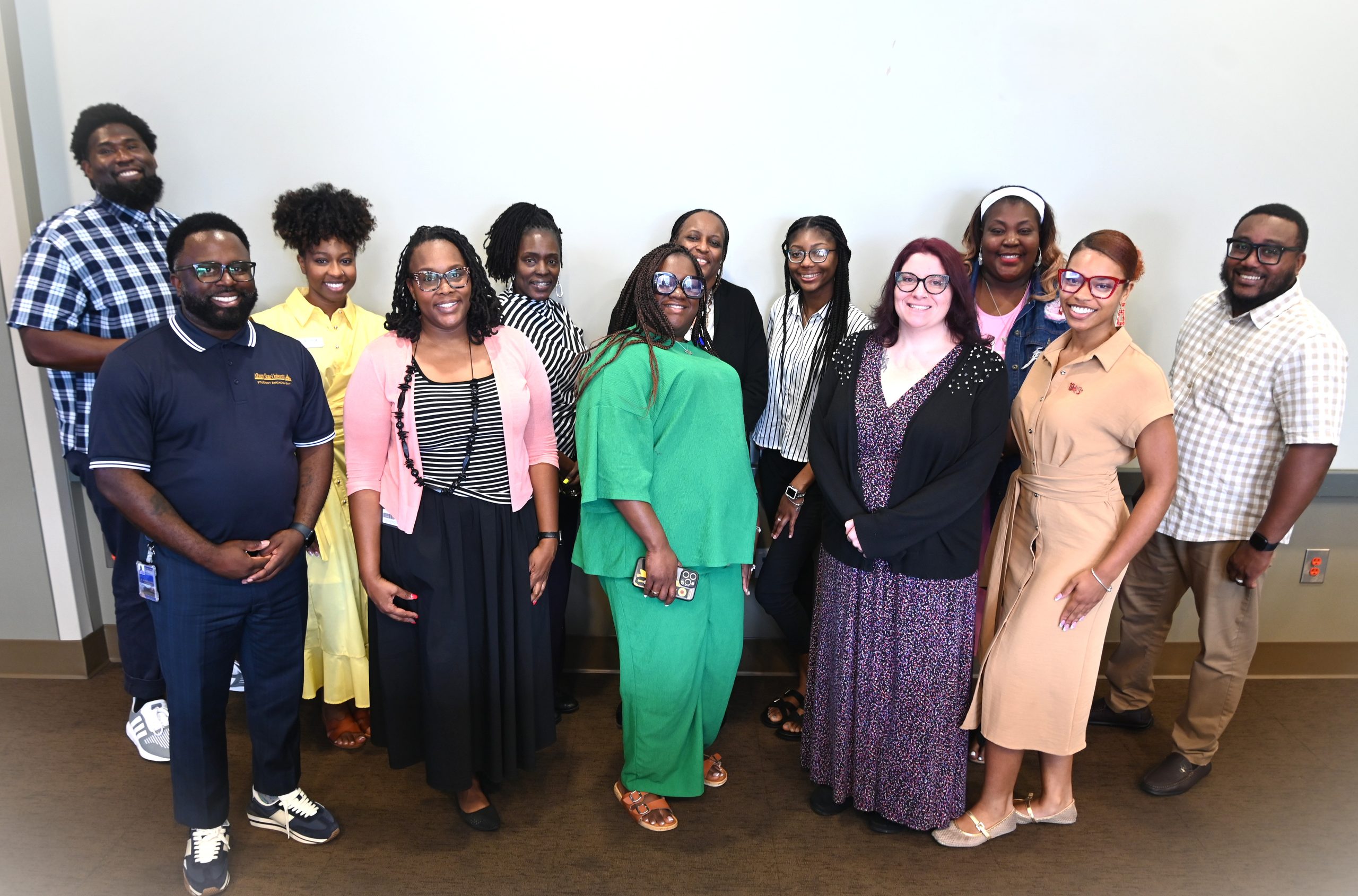
PHOTOS: Albany State New Employees Luncheon
Click the arrow to scroll through the photos.

Albany Commission will revisit downtown park project at October retreat
“Right now it’s a sea of asphalt there. It doesn’t encourage gathering. Parks and green spaces encourage gathering.”
