
Lowndes man’s malice murder conviction reversed

A lawsuit alleging a now-deceased Catholic priest sexually abused an altar boy in the 1970s should go forward because the Archdiocese of Atlanta didn’t admit the crime until 2018, a lawyer for the unnamed plaintiff is arguing.
Special Photo/TownNews.com Content Exchange/TownNews.com Content ExchangeFrom staff reports
ATLANTA — A man serving a life-without-parole prison sentence has had his convictions for malice murder and other crimes reversed under an opinion today by the Supreme Court of Georgia.
Michael Pindling was convicted in Lowndes County for his role in the 2013 shooting death of Robert Pett. After the trial court denied his motion for a new trial, Pindling appealed to the State Supreme Court, arguing that the trial judge plainly erred when instructing the jury that a single witness’s testimony was sufficient to prove a fact without also instructing the jury that if the single witness was an accomplice to the crime, that person’s testimony must be corroborated.
“We agree and reverse,” Justice Nels S.D. Peterson wrote for the court after its unanimous decision.
The evidence at trial showed that on July 13, 2013, a police officer found Pett’s body on the back porch of an abandoned house on Walnut Street in Valdosta. He’d been shot in his shoulder and back. On Pett’s cellphone, the officer found text messages directing Pett to the abandoned house from a phone belonging to Deron Wallace. The investigation led to a rental car tied to Pindling, Wallace and Kathryn Cortez, and the three were discovered in the car after police pulled it over on the trio’s return trip to Georgia from New York. A gun found in Pindling’s bedroom was the same gun used to kill Pett.
At Pindling’s trial, Kathryn Cortez testified that she worked at the same restaurant as Pindling and Wallace, who described themselves as cousins originally from New York. After she began a relationship with Wallace, the three decided to travel to New York. To fund the trip, she said they devised a plan to rob Pett, who previously had sold marijuana to Pindling and Wallace. Cortez testified that Wallace called Pett under the guise of wanting to purchase marijuana and instructed him to meet him at the abandoned house on Walnut Street.
At Wallace’s direction, Cortez said she waited out front for Pett while Wallace waited on the back porch and Pindling waited inside the house. When Pett arrived, Cortez directed him to the back porch. She said she soon heard gunshots and left the scene with Pindling and Wallace. Cortez said she did not see who shot Pett but assumed Pindling was the shooter because Wallace did not have a gun, and when Pindling returned to the car, he said that he had “kicked [Pett’s] lights out because he was making noises.”
Soon after, the three left for New York. Cortez initially said that both Pindling and Wallace threatened to kill her if she told anyone what had happened, but she later testified that only Wallace had threatened to kill her.
Pindling testified in his own defense that he had not gone out with Wallace and Cortez the night of the shooting, that the two had taken the rental car that night to meet someone who owed Wallace money, and that when they returned they said they had the money they needed to go to New York. Pindling said he allowed Wallace to use his gun whenever he wanted, and Wallace returned the gun when he and Cortez came back to the house that night.
Following a joint trial with Wallace, a jury found Pindling guilty on all counts, including malice murder, felony murder, aggravated assault and armed robbery. Wallace was found guilty on all counts except malice murder.
Georgia Code § 24-14-8 states: “The testimony of a single witness is generally sufficient to establish a fact. However, in … felony cases where the only witness is an accomplice, the testimony of a single witness shall not be sufficient” to establish a fact, but “corroborating circumstances may dispense with the necessity for the testimony of a second witness.”
“Under this statute, if there is evidence that could support a finding that a witness was an accomplice to the crime, and that witness provides testimony that directly links the defendant to the crime, it is a clear and obvious error for the trial court to instruct the jury that the testimony of a single witness is sufficient to establish a fact without also instructing the jury that an accomplice’s testimony must be corroborated,” the Supreme Court’s opinion says. “Here, the prosecutor relied heavily on the testimony of Cortez; there was ample evidence from which the jury could have found her to be an accomplice, and her testimony directly linked Pindling to the crimes.
“Cortez was the only eyewitness who affirmatively linked him to the crimes and identified him as the shooter.” Other than her testimony, “There was no direct evidence – no cell phone records, forensic evidence, or eyewitness testimony placing Pindling at the scene of the murder.
“Because almost all of the evidence incriminating Pindling came from Cortez, and the jury was never told that her testimony may have required corroboration or instructed how to evaluate properly the other evidence in this context, the outcome of the proceedings was likely affected by the trial court’s failure to instruct the jury on the accomplice-corroboration requirement,” the opinion says. In conclusion, “we reverse.”
The state may retry Pindling because there was no finding that the evidence was insufficient.
Related Articles
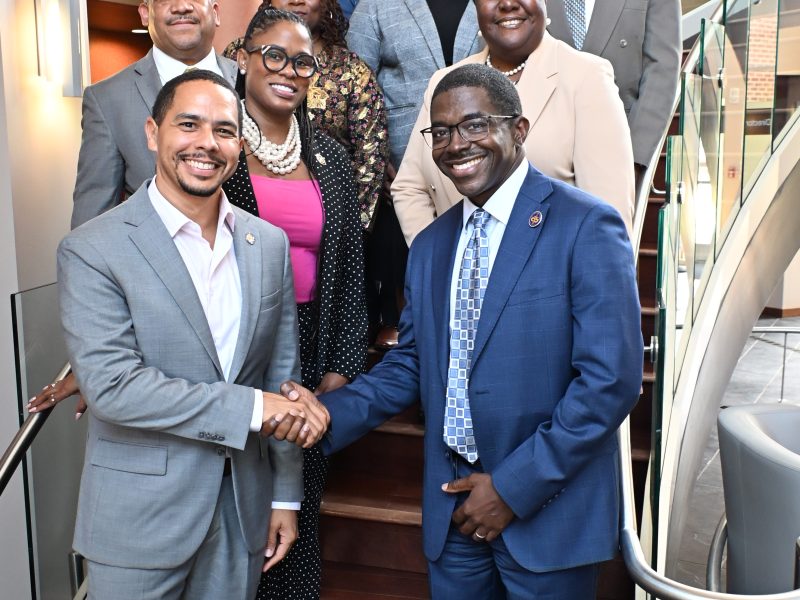
PHOTOS: Albany State campus tour with Senator Jaha Howard
Click the arrow to scroll through the photos.

Foreclosures jump 52.9% across the region as buyers regain negotiating power
In Dougherty County, the number of residential properties advertised for foreclosure has nearly doubled this year. In neighboring Lee County, developers are preparing to add hundreds of new houses and apartments, including homes aimed at buyers who have struggled to find newer housing at an attainable price.
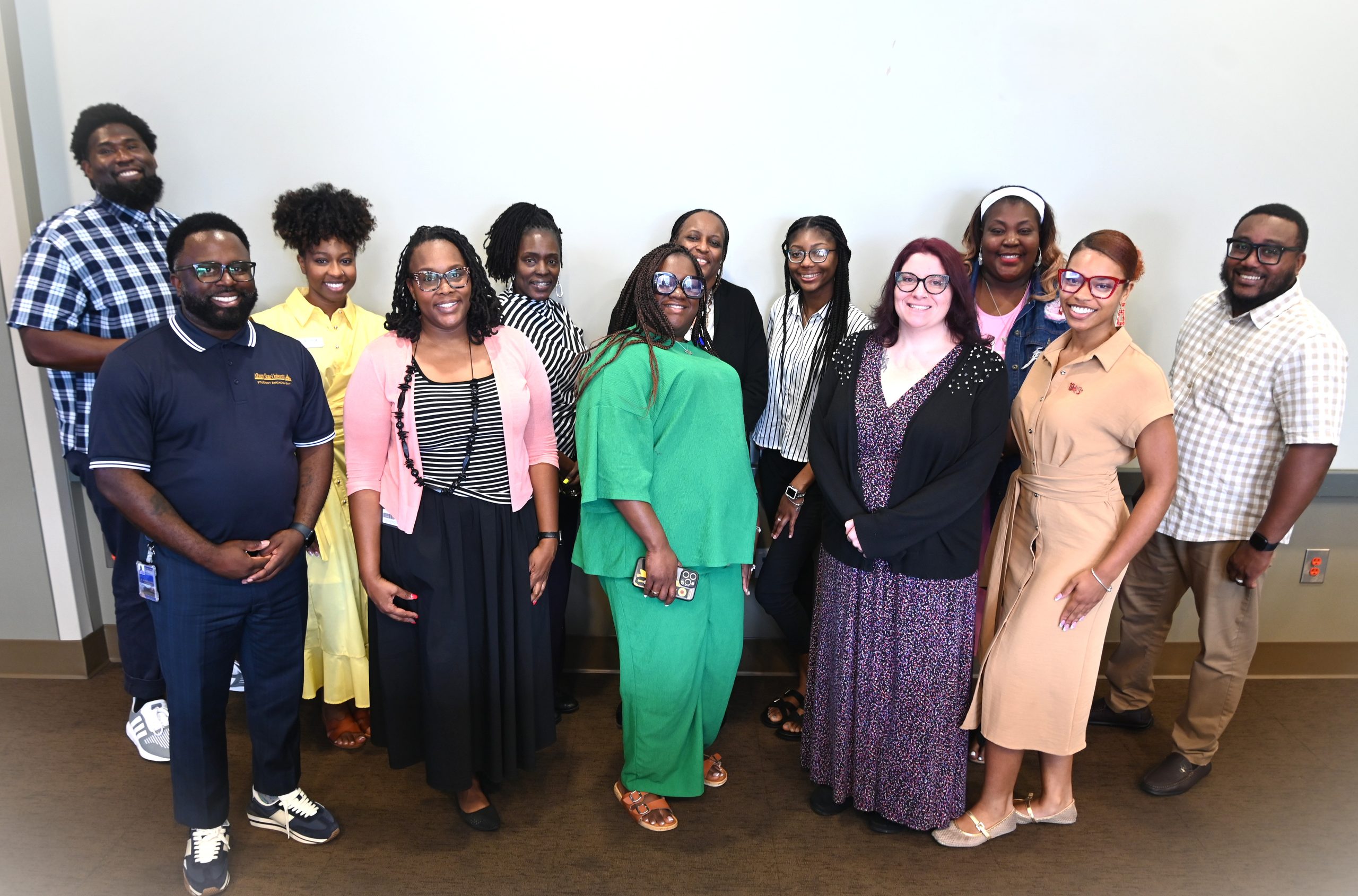
PHOTOS: Albany State New Employees Luncheon
Click the arrow to scroll through the photos.
