
Red Cross: Emergency preparedness is vital
Special Photo: Georgia Red Cross
From staff reports
ATLANTA – This week (Feb. 1-5) is Severe Weather Preparedness Week in Georgia and the Red Cross joins state and federal emergency partners in urging residents to prepare for the next weather emergency.
“Disasters can strike suddenly, and spring is known for its volatile weather, including tornados and thunderstorms,” Danella Hughes, the Red Cross Disaster Officer for Georgia, said in a news release. “As we approach the season, I can’t stress enough the importance of emergency preparedness for individuals and families.”
The Red Cross “Emergency” app can help keep you and your loved ones safe with real-time alerts, shelter locations, and safety advice. The Red Cross First Aid app provides instant access to information on handling the most common first aid emergencies. Download these apps for free by searching for “American Red Cross” in your app store or at redcross.org/apps.
In partnership with the Federal Emergency Management Agency (FEMA), the Georgia Red Cross will offer various Virtual Emergency Preparedness programs to help people become better informed and prepare for emergencies throughout February. Virtual topics include tornados, home fires, COVID-19, and disaster and emergency preparedness for older adults.
According to research from the American Red Cross Scientific Advisory Council and the American Academy of Nursing, older adults are more vulnerable and experience more casualties after a natural disaster than other age groups. Several factors make older adults more vulnerable during a disaster:
♦ Older adults may have more chronic conditions and medication concerns;
♦ They may be more dependent on assistive devices like walkers and eyeglasses and support from caregivers;
♦ Living in social isolation can make them more vulnerable.
To be prepared, older adults should think about what they would do during a disaster before it occurs. Understand how your medical, physical and cognitive needs may affect your ability to respond if you had to stay in your home for two weeks or more or had to evacuate. Building a support network and identifying helpers such as family, friends, neighbors, caregivers and care providers who may be able to assist is vital. Other adults should meet with these supporters and decide how to communicate in an emergency.
Additional research findings and resources, including our Disaster and Emergency Preparedness for Older Adults checklist and booklet, are available at redcross.org/olderadults.
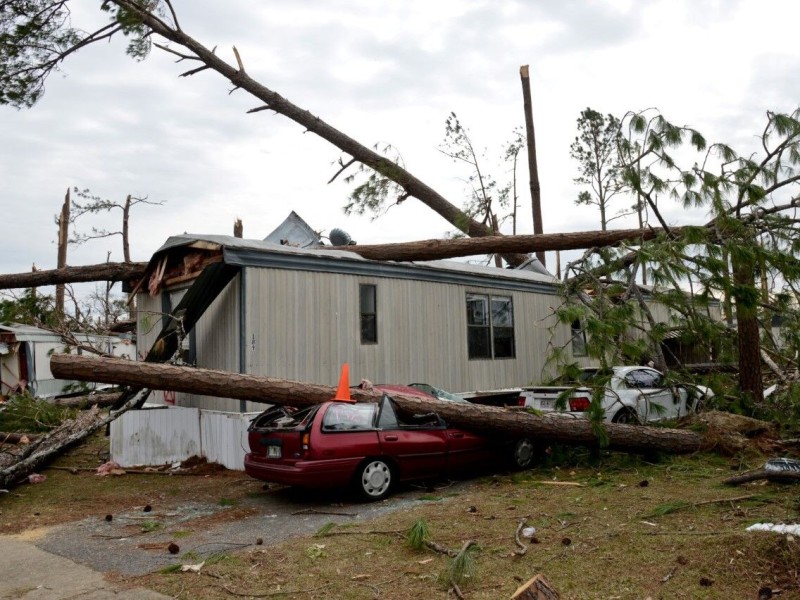
Tornados can happen anywhere, at any time. Everyone should know the tornado danger signs, such as dark, often greenish clouds, a wall cloud, a cloud of debris, large hail, funnel cloud, or a loud, roaring noise. A tornado watch is issued when a tornado is possible in or near a specific area. A tornado warning means that a tornado has been spotted and that people should seek shelter immediately.
The Red Cross urges everyone to pick a safe room in their home where loved ones and pets can gather, such as a basement, storm cellar, or interior room on the lowest floor with no windows. Mobile homes are not safe during tornados. If someone is in a mobile home, they should get to the nearest sturdy building or shelter immediately — do not wait until the tornado is visible. People should also:
♦ Know their community’s warning system;
♦ Prepare for strong winds by removing dead, or damaged limbs from trees;
♦ Move, or secure lawn furniture, trash cans, hanging plants or anything else that can be picked up by the wind and become a projectile;
♦ If someone is caught outdoors, they should seek shelter in a basement, shelter or sturdy building. If that’s not possible, they should take the following steps:
— If you cannot quickly walk to a shelter, immediately get into a vehicle and try to drive to the closest sturdy shelter. Remember to buckle your seat belt;
— Stay away from bridge/highway overpasses;
— If strong winds and flying debris occur while driving, pull over and park, keeping your seat belt on and engine running;
— Put your head down below the windows, covering your head with your hands and a blanket.
When thunder roars, go indoors. If you can hear thunder, you are close enough to be in danger from lightning. The National Weather Service recommends staying inside for at least 30 minutes after the last thunderclap.
♦ Postpone outdoor activities if thunderstorms are likely to occur. Many people struck by lightning are not in the area where rain is occurring;
♦ If a severe thunderstorm warning is issued, take shelter in a substantial building or in a vehicle with the windows closed. Get out of mobile homes that can blow over in high winds;
♦ Avoid electrical equipment and telephones. Use battery-powered TVs and radios instead;
♦ Keep away from windows;
♦ Do not take a bath, shower, or use plumbing;
♦ If you are driving, attempt to safely exit the roadway and park. Stay in the vehicle and turn on the emergency flashers until the heavy rain ends. Avoid touching metal or other surfaces that conduct electricity in and outside the vehicle;
♦ If you are outside and cannot reach a safe building, avoid high ground; water; tall, isolated trees; and metal objects such as fences or bleachers. Picnic shelters, dugouts, and sheds are not safe.
Severe weather during a pandemic can have an even greater impact on the Red Cross’s ability to collect life-saving blood products due to increased canceled blood drives and decreased donor turnout in impacted areas. The need for blood is constant, and volunteer donors are the only source of blood for those in need. If you are feeling well, please make an appointment today to give by using the Red Cross Blood Donor App, visiting RedCrossBlood.org, or calling 800-RED CROSS.
As you prepare for disasters, the Red Cross is preparing, too. We encourage people to join us by volunteering in their local community. A variety of positions are available, including disaster shelter and health supervisors. Find out more at redcross.org/volunteer.
Related Articles
District 151 challengers Wolfe, Lockhart offer plans for schools, rural jobs, health care
Two challengers seeking to unseat state Rep. Mike Cheokas are proposing different approaches to Southwest Georgia’s needs, with Democrat Ethan Wolfe emphasizing changes to state funding and health policy and independent Travis Lockhart focusing on partnerships among local governments, schools and employers.
Albany considers battery storage system to address electricity surplus
“For me, this is all about ratepayers. Will this keep our rates low? That’s my biggest concern on a project like this.”
Lee County denies mother’s home day care plan despite staff support, corrections to objections
A day after Lee County commissioners voted down her plan to care for five young children in her home, Sharemer Jones returned to the county planning office with her infant daughter to ask how to appeal.
