
U.S. Deputy Secretary of Agriculture, Xochitl Torres Small, visits southwest Georgia, talks rural investment and food security
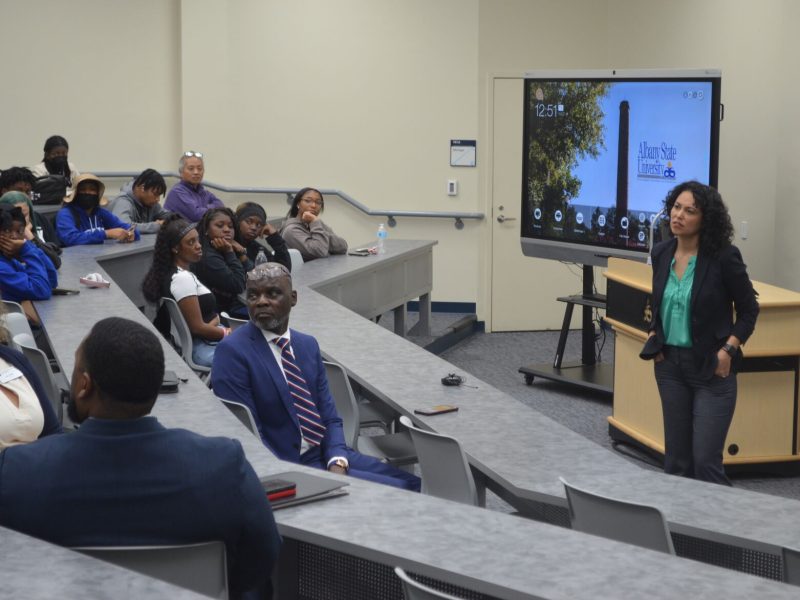
U.S. Deputy Secretary of Agriculture Xochitl Torres Small met with students at Albany State University Tuesday to hold discussions on the Biden-Harris administration’s commitment to investing in rural communities.
Staff Photo: Lucille LanniganBy Lucille Lannigan
[email protected]
ALBANY — U.S. Deputy Secretary of Agriculture Xochitl Torres Small met with farmers in Terrell County and students at Albany State University Tuesday to hold discussions on the Biden-Harris administration’s commitment to investing in rural communities.
President Biden announced $5 billion in rural community investments across the country with $1.39 billion going to Georgia last week. Small spoke with ASU students about investing in farmers and local and regional food systems and how this in turn is investing in Georgia’s economy and future access to healthy foods.
In Terrell County, Small and other representatives from the U.S. Department of Agriculture held a roundtable discussion with farmers who received Rural Energy for America Program grants, meant to help rural agricultural producers and small business owners make energy efficiency improvements. The grant program is part of Biden’s Inflation Reduction Act, a federal investment in combating the climate crisis.
This grant program helped a Terrell County chicken farmer drive down energy costs using solar panels on their farm, Small said. The agriculture official also heard from county development entities who are working to provide people access to well water.
She talked about a woman in the region who hadn’t had access to healthy well water in two years, but USDA grants made it possible to connect her to healthy water.
One of the issues Small addressed during her visit was the retention of young people within communities and within the agricultural industry. She and USDA representatives like Arthur Tripp, the state executive director of the Georgia USDA Farm Service Agency, talked job and internship opportunities with the college students.
Their conversation went hand-in-hand with conversations about food insecurity.
“You want to talk about food insecurity — if we don’t have people producing food, it’s a problem,” Tripp said.
Tripp emphasized that people from all disciplines were needed in some of the job or internship opportunities offered by the USDA.
“Just because you may not be from a farming background does not mean you cannot come work for the USDA,” he said.
The conversation at ASU was meant to call attention to the issues of food insecurity as well as showcase USDA career opportunities that work to combat it.
One in nine Georgians faces hunger, Tripp said. A 2017 study from Feeding America showed that southwest Georgia ranked among the Top 10 in the country for food insecurity. The organization defines food insecurity as having “limited or uncertain access to adequate food.” Dougherty and Terrell counties have the highest percentage of food-insecure people in the state.
However, one in seven jobs across Georgia is agriculture-related, Small said.
“This says that Georgians have an answer to that challenge if we’re investing in our agriculture … in our farmers,” she said. “There’s a chance to make sure that folks can grow up healthy and strong.”
Small said she was inspired by the number of students who expressed interest in going into jobs related to ag issues.
The USDA also fights food insecurity through healthy school initiatives. More than 3,000 school districts across the country have the opportunity to provide free meals, Tripp said. Seven hundred Georgia schools are involved in that program.
The guests also said they were pleased to discuss community garden initiatives and urban agricultural interests.
“We’re really excited about all the great things going on down in Albany,” Tripp said.
The Deputy Secretary of Agriculture also answered questions about Georgia’s Supplemental Nutrition Assistance Program (SNAP) as well as the WIC program, which provides monthly food benefits.
Small said she heard from students during her visit who dreamed of going into nutrition or held a strong desire to make sure their family, friends and peers were able to eat healthy while getting a good education.
Some ASU students brought up concerns of student eligibility for these programs as well as personal stories of food insecurity they or friends have faced.
Hearing this feedback from young people helps the USDA learn how it can better the programs and meet the needs of Georgians, Tripp said.
Small also emphasized the importance of investing in local and regional food systems — this was especially shown during the COVID-19 pandemic, she said. This is to help ensure farmers are able to “increase their bottom line and stay in production.”
“When people walked into food stores and saw empty shelves, particularly when it came to meat, we realized that we needed to diversify our meat processing — to invest in local and regional meat processing,” Small said.
Author

Related Articles
Dawson proposes borrowing up to $420,000 to stay afloat as finances unravel
Documents obtained by The Dawson News show city officials are proposing to balance the budget through a transfer from the Public Utilities Fund while simultaneously seeking authority to borrow as much as $420,000 from a private financial institution to continue meeting payroll and other operating expenses as Dawson works to complete financial audits that have remained unfinished since 2023.
Regional catering business finds new home at Warrior Creek Mercantile
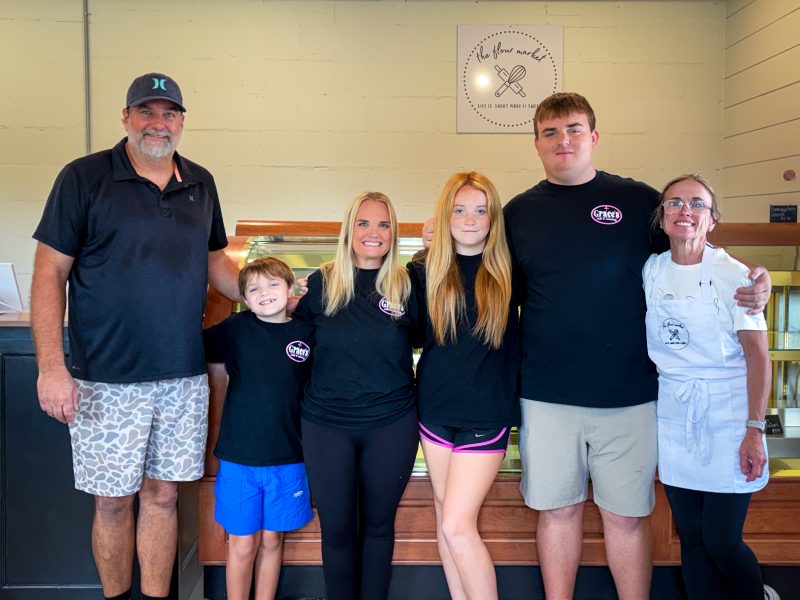
For months, Marchbanks said she had been asking God for an opportunity to serve others. “I just kept praying, ‘God, use me as a servant,'” she recalled. “I didn’t care what it was. I just wanted to be used to help people.”
Leesburg business reflects growing trend toward multi-use downtown spaces
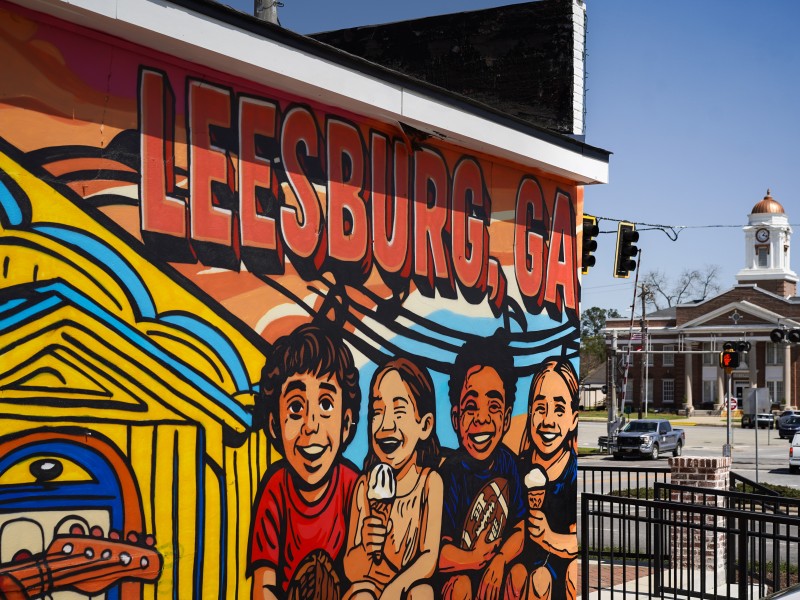
Beyond the pristinely curated lunch spot, owner Sheri Smith has created a small hub of health and wellness services, retail and local partnerships — an example of the type of multi-use business model many small communities are increasingly embracing as they reinvest in historic downtown properties.
