
UGA researchers work to engineer a better tomorrow
Special Photo: UGA/CAES
By UGA/CAES
ATHENS — Faculty and staff with the CAES Office of Research are committed to discovering, innovating and delivering the science required to feed and fuel the world. Some of the most respected researchers in the world are working in UGA labs and teaching in its classrooms to facilitate the cutting-edge research activities that lead to better food, fuel, fiber and health for everyone.
UGA researchers are the innovative leaders in Georgia’s biggest industry, valued at $70 billion.
Research in agricultural and environmental sciences keeps Georgia at the pinnacle of these industries. This research is foundational to the land-grant university mission of education for everyone, creation of science-based methods, and expert extension outreach to help ensure that research-based agriculture is practiced in America.
To keep Georgia’s agricultural industry on the leading edge of innovation, UGA develops new agricultural research and enhanced curricula for professors to teach in the classroom and for extension agents to deliver across the state.
CAES is harnessing innovation to make advances in urban agriculture, animal science, regenerative bioscience, plant sciences, food sciences, environmental resource management, sustainability and conservation, health and wellness, and more.
UGA faculty are world leaders in research on turfgrass, cotton and peanuts. Renowned UGA turfgrass breeders have developed varieties used in world-class sporting facilities, including Olympic stadiums.
CAES is the home of the Feed the Future Innovation Lab for Peanut, one of only 14 universities in the U.S. to host a Feed the Future Innovation Lab, the U.S. government’s global hunger and food security initiative.
Through partnerships with the College of Engineering, UGA CAES is developing robots that will help cotton farmers improve management practices to produce better crops with less impact on the environment.
The CAES Office of Research is responsible for the CAES strategic research plan, managing resources around the state of Georgia — such as the college’s eight Research and Education Centers — and facilitating all commercialization activities and partnerships.
Vaccines are a proven benefit in the world of animal science. People have vaccinated both pets and livestock for decades.
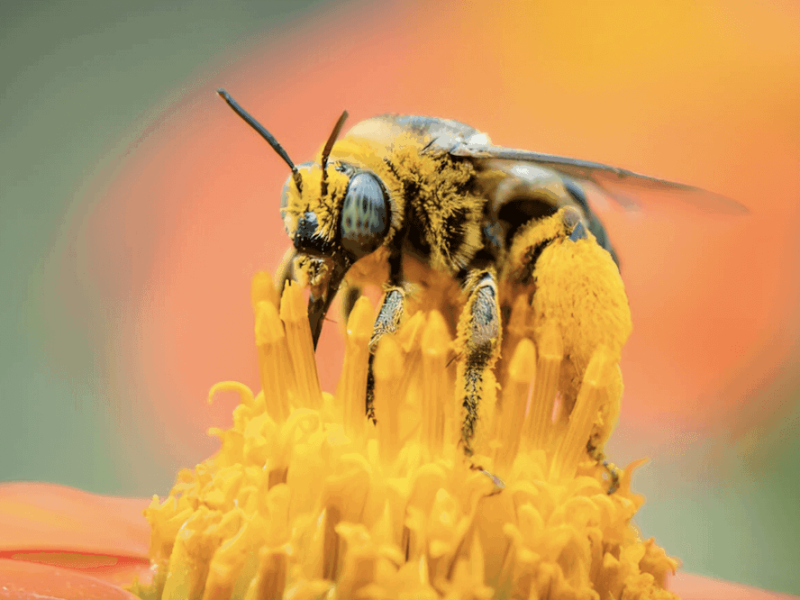
Now beekeepers will be able to protect their colonies through vaccination. The University of Georgia College of Agricultural and Environmental Sciences and Dalan Animal Health have teamed up to advance the world’s first honey bee vaccine. The vaccine received a conditional license from the USDA Center for Veterinary Biologics in early January.
“You don’t have to look far to know honey bees are having a lot of problems right now; hives will die unless we intercede with herculean efforts,” said Keith Delaplane, professor in the CAES Department of Entomology and director of the UGA Bee Program.
Author

Related Articles

Federal agency to investigate Monday paragliding fatality
The death of a 63-year-old man who was killed in a paragliding accident on Monday is under investigation by the National Transportation Board, according to Dougherty County Coroner Michael Fowler.

Audit of police surveillance cameras results in arrests of five former APD officers
“The bottom line is when we find people who have misused resources that they have, we’re going to hold them accountable. These resources help fight crime, but we will not tolerate when they are misused.”

Albany Herald – July 7, 2026
Lee County stands alones without… DOT say delay in Oglethorpe Bridge… ASU’s Leah Cowen Selected for…
